AI bill would crack down on deepfake distribution and protect whistleblowers
In a significant development in the realm of artificial intelligence (AI) regulation, a new bill has been introduced that seeks to address the growing concerns surrounding deepfake technology and its implications. This bill, reported first by CNBC, proposes stricter penalties for the distribution of deepfake images and aims to enhance protections for whistleblowers who report AI-related misconduct.
Overview of the Bill
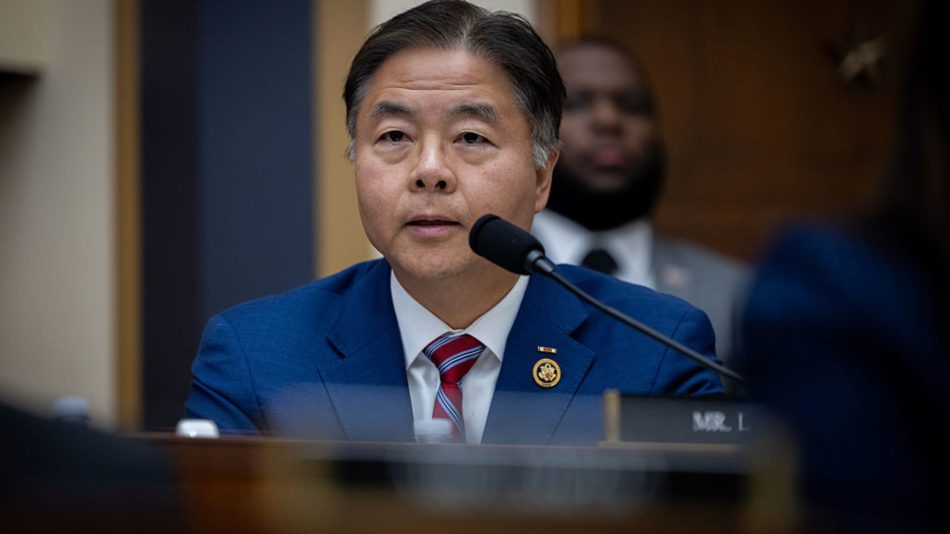
The legislation is spearheaded by Representative Ted Lieu, a Democrat from California, who serves as the lead sponsor. He is joined by Representative Jay Obernolte, a Republican from California, who is the top Republican on the bipartisan House AI Task Force. This collaborative effort showcases a commitment to addressing the challenges posed by AI technologies across party lines.
Key Features of the Bill
- Stricter Penalties: The bill introduces enhanced penalties for individuals and entities that distribute deepfake images without consent, aiming to deter the malicious use of this technology.
- Whistleblower Protections: It provides safeguards for whistleblowers who report safety risks or violations related to AI technologies, encouraging transparency and accountability.
- International Collaboration: The legislation mandates U.S. participation in international organizations that focus on developing technical standards for AI, promoting a unified global approach to AI governance.
- Prize Competition for AI Research: The bill establishes a prize competition aimed at fostering groundbreaking research and development in the field of AI, incentivizing innovation.
Background and Context
The introduction of this bill is a response to the increasing prevalence of deepfake technology, which has raised ethical and legal concerns. Deepfakes, which are hyper-realistic manipulated videos or images, can be used to create misleading content that can harm individuals and manipulate public opinion. The bipartisan House AI Task Force, which provided recommendations for this bill, recognizes the urgent need for regulatory measures to combat these issues.
Bipartisan Support
Representative Lieu emphasized the importance of bipartisan support for the bill, stating, “It is not designed to be controversial. It is based on bipartisan legislation that other members have introduced, as well as the recommendations of the bipartisan House AI Task Force.” This collaborative spirit is crucial for the successful passage of legislation that addresses complex technological challenges.
Challenges and Future Considerations
While the bill addresses significant issues, it notably avoids some of the more contentious topics surrounding AI regulation. For instance, it does not delve into whether a federal standard should preempt state laws regarding AI or whether there should be testing requirements for AI systems used in critical infrastructure and education. These topics remain hotly debated among lawmakers and stakeholders.
Upcoming Legislation
In addition to Lieu’s bill, Representative Obernolte is expected to introduce his own AI package later this year, which will also build on the work of the bipartisan task force. This indicates a growing recognition among lawmakers of the need for comprehensive AI regulation that addresses various aspects of technology and its impact on society.
Conclusion
The introduction of this AI bill marks a pivotal step towards regulating the use of deepfake technology and enhancing protections for whistleblowers in the AI domain. As the landscape of artificial intelligence continues to evolve, legislative measures like this are essential to ensure ethical practices and safeguard individuals from potential harm. The bipartisan support for this initiative highlights the importance of collaboration in addressing the challenges posed by emerging technologies.
Note: The information presented in this article is based on reports and statements available as of April 2026. For the latest updates on the bill and its implications, please refer to reliable news sources.