AI data center backlash threatens Pennsylvania GOP incumbents in 2026 election
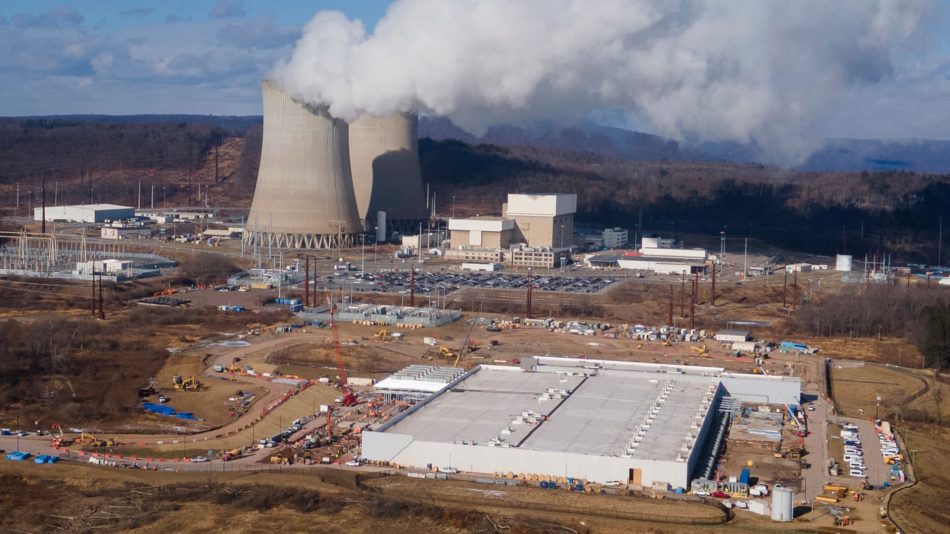
The emergence of AI-driven data centers in Pennsylvania is creating a politically charged atmosphere that could jeopardize the positions of Republican incumbents in the upcoming 2026 elections. With significant investments from tech giants like Amazon and Microsoft, the construction of these data centers is raising concerns among constituents regarding energy prices and environmental impacts.
The Data Center Boom in Pennsylvania
As part of a broader trend, Pennsylvania is witnessing a rapid expansion of data centers, driven by a $20 billion investment from Amazon. This development is particularly concentrated in four competitive congressional districts in the eastern part of the state, where Republican representatives currently hold office. The stakes are high, as these districts could play a crucial role in determining which party controls the U.S. House of Representatives, where Republicans currently maintain a slim five-seat majority.
Political Implications for Republican Incumbents
Political analysts are warning that the backlash against data centers could significantly impact Republican incumbents. The Cook Political Report has classified all four districts as competitive, with the 7th, 8th, and 10th Districts rated as “toss-ups.” The 1st District, represented by Brian Fitzpatrick, is considered “likely Republican,” but is still seen as vulnerable due to the ongoing construction projects funded by Amazon.
Challenges Faced by Incumbents
According to Chris Borick, director of the Muhlenberg College Institute of Public Opinion, the bipartisan opposition to data centers complicates the political landscape for Republicans. He states, “They’re really caught between counteracting forces. A lot of these folks are in uncomfortable, challenging positions to begin with, and the issue of data centers has layered another challenge.”
Republican incumbents are finding themselves in a tight spot, needing to balance the energy policies aligned with former President Donald Trump and the growing frustration among constituents regarding the local impacts of data center construction.
Local Concerns Over Data Center Development
Local opposition to data centers is gaining momentum, with residents from various political backgrounds uniting against the projects. Ginny Marcille-Kerslake, a senior organizer for Food & Water Watch, noted, “In my 10 years of organizing, I have never seen anything like this groundswell of opposition, especially in communities that find that they’re being targeted for a project.”
Impact on Local Communities
Concerns about the environmental impact and energy consumption of data centers are prevalent among constituents. Rep. G.T. Thompson, a Republican representing a safe seat in north-central Pennsylvania, expressed his understanding of voters’ concerns regarding the displacement of farmers due to data center construction. He stated, “There’s quite a discussion on it everywhere I go in Pennsylvania. It’s an evolution of technology that I think is here to stay, but I don’t really want these on prime farmland.”
The Broader Context of Data Center Development
Data centers are becoming a focal point in political discussions across the United States. In 2025 alone, opponents successfully delayed or blocked 48 data center projects, which represented a potential investment of $156 billion. This trend highlights the growing scrutiny and opposition to data center construction, reflecting a broader concern about the environmental and social implications of such developments.
Legislative Responses
In response to rising opposition, some states are taking legislative action. For instance, Maine’s legislature recently approved what could become the first statewide ban on data center construction, pending the governor’s approval. This move signals a growing recognition of the need to address the implications of data center proliferation.
Conclusion
The backlash against AI-driven data centers in Pennsylvania poses a significant challenge for Republican incumbents as they approach the 2026 elections. The intersection of local concerns, bipartisan opposition, and the political landscape creates a complex environment that could reshape the state’s congressional representation. As the situation evolves, it will be crucial for incumbents to navigate these challenges carefully to maintain their positions in the face of mounting public scrutiny.
Note: This article reflects the situation as of April 2026 and is subject to change as new developments arise.