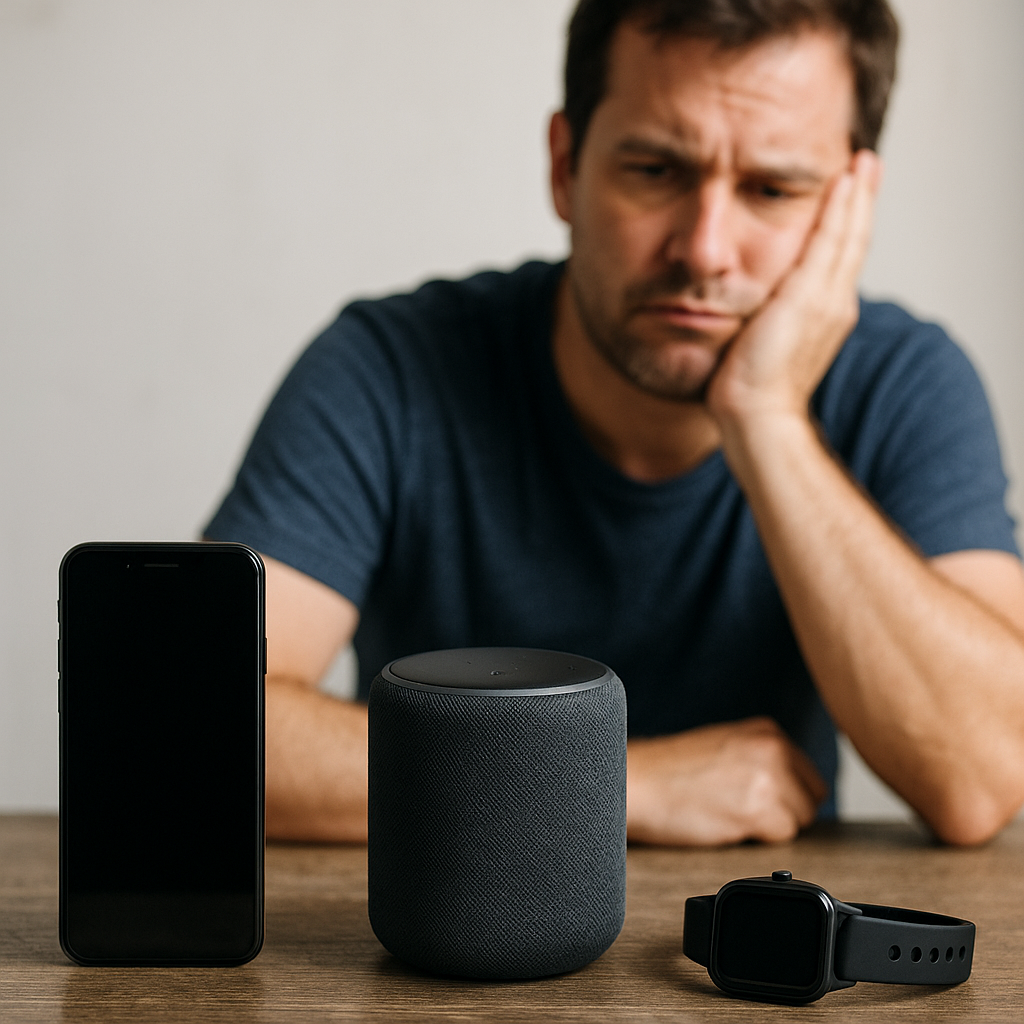
AI Gadgets Are Barely Trying Anymore
The rapid advancement of artificial intelligence (AI) has led to a plethora of gadgets and devices that promise to make our lives easier. However, as technology evolves, there seems to be a growing sentiment that many of these AI gadgets are not living up to their potential. This article explores the current state of AI gadgets, the reasons behind their stagnation, and what the future may hold.
The Rise of AI Gadgets
In recent years, AI has permeated various aspects of our lives, from smart home devices to personal assistants. The initial excitement surrounding these technologies was fueled by their ability to learn from user behavior, adapt to preferences, and automate mundane tasks. Some popular examples include:
- Smart Speakers: Devices like Amazon Echo and Google Home revolutionized how we interact with technology through voice commands.
- Smartphones: AI features in smartphones enhance photography, improve battery life, and provide personalized recommendations.
- Wearable Technology: Fitness trackers and smartwatches utilize AI to monitor health metrics and provide insights.
Initial Hype vs. Current Reality
When these gadgets first entered the market, they were met with enthusiasm and high expectations. Consumers were eager to embrace the convenience and innovation that AI promised. However, as time has passed, many users have begun to feel disillusioned with the performance and capabilities of these devices.
Common Complaints
Several recurring themes have emerged from user feedback regarding AI gadgets:
- Lack of Innovation: Many devices seem to offer minimal updates or improvements over time, leading to a sense of stagnation.
- Inconsistent Performance: Users often report that AI features do not work as seamlessly as advertised, resulting in frustration.
- Privacy Concerns: Increased awareness of data privacy issues has made users wary of devices that constantly listen and collect data.
Reasons for Stagnation
Several factors contribute to the perceived stagnation of AI gadgets:
1. Overpromising and Underdelivering
Many companies have marketed their AI products with grand claims of capabilities that are not fully realized in practice. This disconnect between marketing and reality has led to consumer disappointment.
2. Technical Limitations
While AI technology has advanced significantly, there are still inherent limitations. For example, natural language processing and understanding context remain challenging for AI systems, which can lead to misunderstandings in user interactions.
3. Market Saturation
The market for AI gadgets is becoming increasingly saturated. With numerous brands offering similar products, it has become difficult for any single device to stand out or offer truly innovative features.
4. Focus on Cost Reduction
In an effort to remain competitive, many manufacturers have shifted their focus toward cost reduction rather than innovation. This often results in products that prioritize affordability over advanced features.
The Future of AI Gadgets
Despite the current challenges, the future of AI gadgets holds potential for improvement and innovation. Here are some trends that could shape the next generation of AI devices:
1. Enhanced Personalization
As AI algorithms become more sophisticated, we can expect devices to offer a higher degree of personalization. This could lead to more tailored experiences that adapt to individual user preferences and behaviors.
2. Improved Interoperability
Future AI gadgets may focus on better integration with other devices and platforms. This could create a more seamless user experience, allowing devices to communicate and work together more effectively.
3. Ethical AI Development
With growing concerns about privacy and data security, there is an increasing emphasis on ethical AI development. Companies may prioritize transparency and user control over data, fostering trust and confidence in AI technologies.
4. Focus on Real-World Applications
AI gadgets that address real-world problems, such as health monitoring or environmental sustainability, are likely to gain traction. By focusing on practical applications, manufacturers can create devices that genuinely enhance users’ lives.
Conclusion
While AI gadgets have made significant strides in recent years, many users feel that they are not living up to their initial promises. The combination of overpromising, technical limitations, market saturation, and a focus on cost reduction has led to a sense of stagnation in the industry. However, as technology continues to evolve, there is hope for a future where AI gadgets become more innovative, personalized, and trustworthy.
Note: The information presented in this article reflects the state of AI gadgets as of October 2023. As technology continues to develop, it is essential to stay informed about the latest advancements and trends.