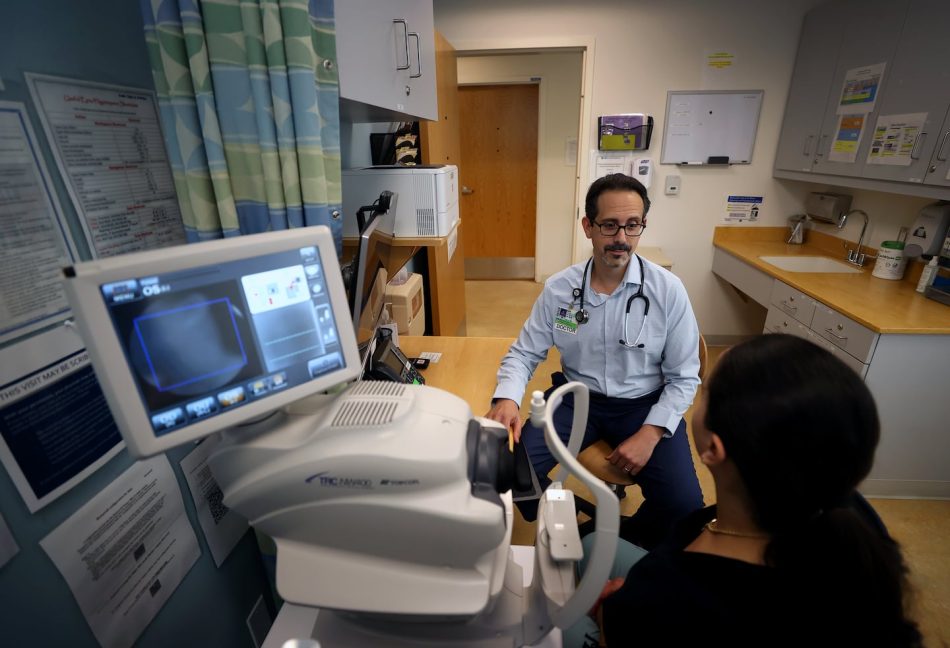
AI scribes: Study involving Mass General Brigham showed modest benefit for doctors
In recent years, many healthcare systems have adopted artificial intelligence (AI) scribes to alleviate the burdensome task of record-keeping for physicians. These AI tools are designed to “listen” to conversations between doctors and patients, automatically generating summaries of medical appointments. However, a new study published in JAMA reveals that the benefits of these AI scribes may be more modest than initially anticipated.
Study Overview
The study, which included researchers affiliated with Mass General Brigham (MGB), found that AI scribes reduced the time clinicians spent documenting appointments by an average of 16 minutes per day. This reduction, while helpful, still requires physicians to review electronic medical charts and approve the generated summaries.
Key Findings
The research examined the practices of 8,581 clinicians, including 1,809 who utilized AI scribes and 6,772 who did not. The study was conducted across five healthcare systems: Mass General Brigham, Yale New Haven Health System, Emory Healthcare, University of California at Davis Health, and UCSF Health.
Primary Care Clinicians Benefit Most
Among the various specialties, primary care clinicians experienced the most significant benefits from the implementation of AI scribes. These providers, who often face extensive charting responsibilities due to the nature of their patient interactions, saved an average of 27 minutes per day when using AI scribes. Despite this time savings, they still spent over two and a half hours daily on documentation tasks.
Impact on Patient Care
With the additional time gained from using AI scribes, physicians were able to see one extra patient every two weeks. This extra time was often redirected to other important work-related duties, such as responding to patient inquiries through web portals. According to Ryan Jaslow, a spokesperson for MGB, this slight increase in patient capacity could have positive implications for patient care and access.
Research Leadership
The study was led by Dr. Lisa Rotenstein, an associate professor of medicine at the University of California at San Francisco School of Medicine and director of the Center for Physician Experience and Practice Excellence at Brigham and Women’s Hospital. Dr. Rotenstein noted, “Certain groups like primary care physicians and physicians who use the scribes more may gain a particular benefit.”
Burnout and AI Scribes
Previous research has suggested that AI scribes may contribute to reduced burnout among physicians. A study published in August 2022 in JAMA Network Open indicated a 21 percent decline in self-reported burnout among clinicians using AI scribes. However, Dr. Rebecca Mishuris, the senior author of the latest study and chief health information officer at MGB, cautioned that the modest reductions in documentation time observed in the current study are unlikely to fully explain changes in burnout levels.
Usage Patterns
Clinicians who utilized AI scribes for more than half of their patient visits experienced the most significant reductions in documentation time. However, only one-third of the physicians who adopted the technology reached this level of usage. This suggests that while the potential for increased efficiency exists, many clinicians may not be fully leveraging the capabilities of AI scribes.
Implementation of AI Scribes at MGB
MGB began its pilot program for AI scribes in July 2023, involving approximately 18 clinicians to ensure the technology accurately recorded details of patient visits. Following a successful pilot, the technology was rolled out throughout the system in April 2024. Currently, about 4,500 clinicians, out of a total of 7,780, across various specialties are utilizing AI scribes.
Conclusion
While the introduction of AI scribes at Mass General Brigham has shown some benefits, particularly for primary care providers, the overall impact on documentation time and physician workload remains modest. As healthcare continues to evolve with technology, further research and adaptation will be essential to maximize the benefits of AI in clinical settings.
Note: This article is based on a study published in JAMA and reflects the findings of researchers affiliated with Mass General Brigham and other healthcare institutions.