
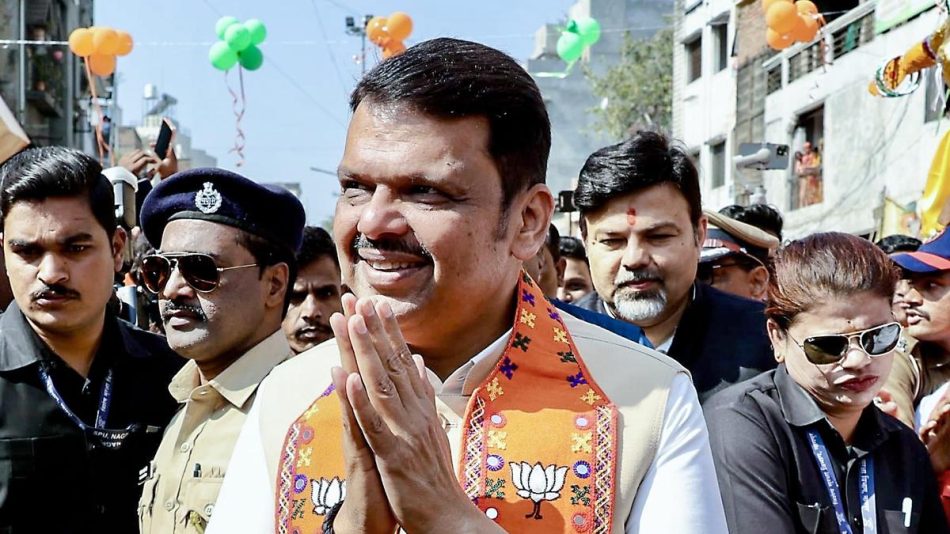
An AI Tool to Identify Illegal Bangladeshis: Insights from Maharashtra Chief Minister Devendra Fadnavis
On January 13, 2026, Maharashtra Chief Minister Devendra Fadnavis announced the development of an artificial intelligence (AI) tool in collaboration with the Indian Institute of Technology (IIT) Bombay. This initiative aims to identify individuals deemed as “illegal Bangladeshis” residing in the state. This announcement comes amidst ongoing political discussions surrounding the upcoming municipal elections in Maharashtra.
The AI Tool’s Development
During a conversation with select journalists at his official residence, Fadnavis highlighted the significance of the issue concerning illegal immigrants from Bangladesh. He stated, “Right now, work on the tool is going on. It currently has a success rate of up to 60%.” This tool is part of a broader initiative by the Maharashtra government to address the challenges posed by illegal immigration, particularly in urban areas like Mumbai.
Political Context and Upcoming Elections
The announcement of the AI tool coincides with the municipal corporation elections scheduled for January 15, 2026. Fadnavis expressed confidence in the ruling Bharatiya Janata Party (BJP), predicting that the BJP-led Mahayuti coalition would secure victories in 26 to 27 of the 29 municipal corporations participating in the elections. He emphasized that these elections would further solidify the BJP’s position as a dominant political force in Maharashtra leading up to the 2029 polls.
Responses to Political Alliances
Fadnavis also commented on the political landscape, particularly the alliance between Raj Thackeray and Uddhav Thackeray. He asserted that Raj Thackeray would emerge as the “biggest loser” in this partnership, suggesting that while Uddhav Thackeray may benefit, Raj Thackeray would not gain anything substantial from the alliance.
Concerns Over Voter Dynamics
When discussing the potential impact of the Thackeray cousins’ alliance on the Marathi vote bank, Fadnavis noted that the Marathi vote was not a unified entity. He stated, “We have the Marathi voters. MNS does not make any difference.” He reflected on past elections, indicating that the BJP had successfully garnered a significant number of seats in Mumbai without relying solely on the Marathi vote bank.
The Mayoral Race in Mumbai
The issue of the mayoral position in Mumbai has gained prominence in the lead-up to the elections. Fadnavis asserted that the next mayor would be a “Hindu and a Marathi,” indicating a preference for candidates aligned with the Mahayuti coalition. He addressed concerns raised by the AIMIM party regarding the potential for a Muslim mayor, emphasizing the BJP’s stance on the matter.
Political Alliances and Local Dynamics
Fadnavis was questioned about the unusual political combinations in local elections, particularly in Ambarnath and Akot, where the BJP faced off against its own ally, Shiv Sena. He explained that the situation in Akot was technical, involving a post-poll alliance with the NCP and AIMIM, while in Ambarnath, the BJP chose to allow Shiv Sena to take power after realizing the political landscape had shifted.
Addressing Political Challenges
Despite the challenges posed by these political dynamics, Fadnavis maintained that the BJP remains committed to its development agenda. He highlighted ongoing infrastructure projects and the party’s focus on delivering results for the electorate. He stated, “The tone for this election has already been set. And the tone is for development, for change.”
Conclusion
As the political landscape in Maharashtra evolves, the development of the AI tool to identify illegal immigrants represents a significant step in the state’s approach to immigration issues. With the municipal elections on the horizon, the implications of this initiative, along with the shifting alliances and voter dynamics, will undoubtedly shape the future of Maharashtra’s political scene.
Note: The information presented in this article is based on statements made by Maharashtra Chief Minister Devendra Fadnavis and reflects the political context as of January 2026.

