Budget Yatra 2026: Ahmedabad’s Wishlist
As the Union Budget approaches, the city of Ahmedabad, a hub of entrepreneurship and innovation, has articulated its expectations for the upcoming Budget 2026. From students at the prestigious Indian Institute of Management (IIM) Ahmedabad to real estate developers and micro, small, and medium enterprises (MSMEs), a comprehensive roadmap has been laid out for Finance Minister Nirmala Sitharaman. Key areas of focus include tax rationalization, liquidity support for MSMEs, and structural social reforms.
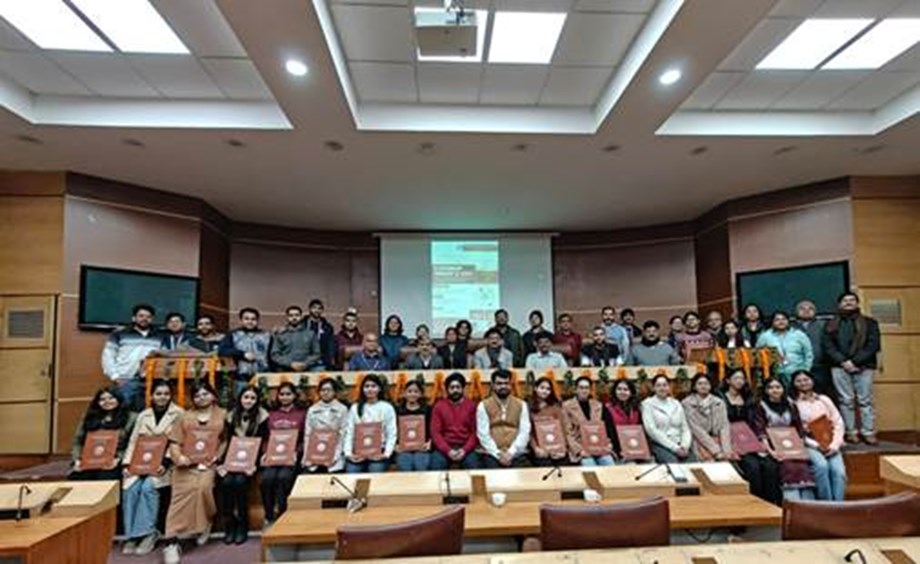
Key Expectations from IIM Ahmedabad Students
Students from IIM Ahmedabad have expressed a collective desire for a more streamlined and logical tax structure that encourages long-term wealth creation. Here are some of the major suggestions:
Dividend Tax Relief
Kamal Sood, a student, highlighted the disparity in taxation for different business structures. He pointed out that private limited companies face double taxation—once at the corporate level and again on dividends. Sood advocated for relaxation of taxes on dividends to promote transparency and encourage more businesses to adopt this structure.
Capital Gains Tax Reform
On the topic of capital gains tax, Sood suggested that the Long-Term Capital Gains (LTCG) tax should be reduced, potentially to 5% or 10%. He argued that this would incentivize investors to hold onto their investments longer, rather than focusing solely on speculative gains.
Competitiveness of Tax Regimes
Saurav, another student, raised concerns about the competitiveness of the old tax regime compared to the new one. He noted that while the old regime had benefits that promoted investments, many taxpayers are shifting to the new regime. Saurav suggested that the government should evaluate ways to retain some of the beneficial elements of the old regime to make it more appealing.
Simplifying Tax Structures for Emerging Asset Classes
Apurva pointed out the complexity surrounding emerging asset classes like Real Estate Investment Trusts (REITs). He emphasized the need for tax incentives and simplification of the tax structure to promote investment in these asset classes.
Addressing Macroeconomic Challenges
Beyond financial considerations, students have also raised concerns about broader societal issues. Abdul Ayan highlighted the fiscal burden of pollution, which not only affects public health but also reduces labor participation and contributes to GDP loss. He called for dedicated funding to address pollution and its impacts on the workforce.
Bridging the Gender Gap
Anita, another student, provided three structural recommendations aimed at increasing female labor force participation:
- Childcare Infrastructure: Develop childcare facilities by providing incentives to corporations, encouraging urban women to pursue job opportunities.
- Formalizing the Shadow Workforce: Reduce the GST rate from 18% to 5% on staffing services to create more formal job opportunities for women.
- Joint Tax Filing System: Implement an optional joint tax filing system to benefit single-earner households and encourage dual-income families.
MSMEs and Research & Development
For the MSME sector in Ahmedabad, the focus remains on overcoming liquidity challenges and achieving global standards. Bhavya emphasized the importance of providing a safety net for small businesses, which contribute significantly to the country’s GDP and exports.
Support for MSMEs
Given the challenges faced by MSMEs in recent times, including demand shocks, it is crucial for the government to implement measures that ensure their survival and growth. This includes financial support and incentives for innovation and research and development.
Conclusion
The collective voice of Ahmedabad’s entrepreneurs, students, and business leaders underscores the need for a budget that not only addresses immediate financial concerns but also lays the groundwork for sustainable economic growth. The suggestions put forth during the Budget Yatra reflect a desire for a more equitable tax system, support for MSMEs, and initiatives aimed at social reform.
Note: The insights and recommendations presented in this article are based on discussions held during the Budget Yatra 2026 in Ahmedabad and reflect the aspirations of the local community for the upcoming Union Budget.