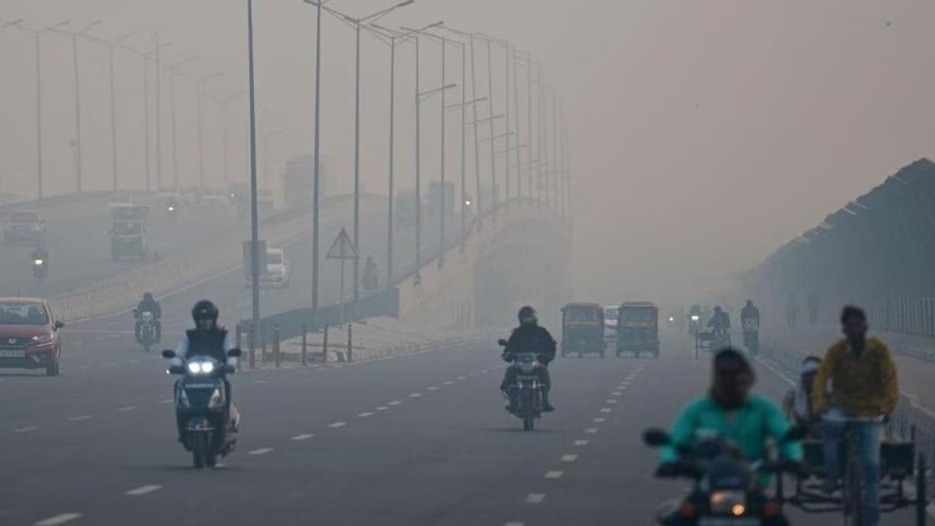
Can AI Fix Delhi’s Air? Government in Talks with IIT Kanpur for Pollution Control
The Delhi government is actively exploring a partnership with the Indian Institute of Technology (IIT) Kanpur to leverage Artificial Intelligence (AI) in tackling the city’s persistent air pollution issues. This initiative aims to shift from reactive measures to a more proactive, data-driven approach to pollution control.
Understanding the Initiative
Officials from the Delhi government have confirmed that the collaboration with IIT Kanpur will focus on developing AI solutions to identify pollution sources with greater precision. The goal is to create a model that enables decision-makers to act based on real-time data and measurable outcomes, rather than merely responding to pollution spikes after they occur.
Statements from Officials
Delhi Environment Minister Manjinder Singh Sirsa emphasized the importance of this new direction, stating, “We are moving towards a model where decisions are driven by real-time data, source identification, and measurable outcomes, not reactive measures.” This proactive approach is expected to empower authorities to intervene at the source of pollution effectively.
Roadmap for Collaboration
The environment department is currently preparing to outline a comprehensive roadmap for this collaboration. This plan will involve:
- Developing institutional mechanisms for effective implementation.
- Planning a stepwise approach to the project.
- Creating a shared data platform for various government bodies.
Dynamic Source Apportionment
A key component of this initiative is the implementation of dynamic source apportionment. This scientific method will allow authorities to determine the specific contributions of various pollution sources, including:
- Dust
- Vehicular emissions
- Industrial discharges
- Regional factors such as biomass burning
By generating evidence through this system, agencies can address pollution more effectively and target interventions where they are most needed, as opposed to relying on broad restrictions or temporary bans.
Importance of Multi-Agency Coordination
The initiative also highlights the necessity of coordination among multiple government agencies. A shared data platform will ensure that all involved parties, including municipal bodies, district administrations, enforcement agencies, and technical institutions, have clearly defined roles and responsibilities.
Sirsa noted, “When every agency works from the same scientific evidence, action becomes faster, sharper, and more effective. This is how we are aiming to transform Delhi from firefighting to actual prevention.”
Comprehensive Pollution Control Measures
The Delhi government is currently addressing pollution through various ongoing measures, focusing on four main fronts:
- Vehicular Emissions: Stricter regulations and monitoring of vehicle emissions are being implemented.
- Dust Control: Initiatives include enforcing dust norms at construction sites, using mechanical road sweeping, and deploying anti-smog guns.
- Polluting Industries: Ongoing actions against industries that do not comply with pollution control norms, led by District Magistrates and Divisional Commissioners.
- Waste Management: Intensifying waste collection efforts and processing approximately 35 metric tonnes of legacy waste daily at landfill sites.
Real-Time Interventions
The government’s approach involves round-the-clock interventions to ensure that pollution control measures are effective and timely. For instance, the installation of mist spray systems on electric poles is aimed at reducing airborne particulates.
Future Prospects
Authorities are optimistic that this combination of targeted interventions, coordinated agency responses, and technology-driven strategies will help Delhi transition from reactive measures to consistent, long-term prevention of air pollution.
As the collaboration with IIT Kanpur progresses, it is expected to set a precedent for how technology can be harnessed to address environmental challenges in urban settings.
Conclusion
The Delhi government’s initiative to collaborate with IIT Kanpur for AI-driven pollution control represents a significant step towards improving air quality in the city. By focusing on real-time data and source identification, the authorities aim to implement effective measures that address pollution at its roots. This proactive approach, combined with multi-agency coordination, could pave the way for a cleaner and healthier environment for Delhi’s residents.
Note: The information presented in this article is based on current developments and may evolve as the collaboration progresses.