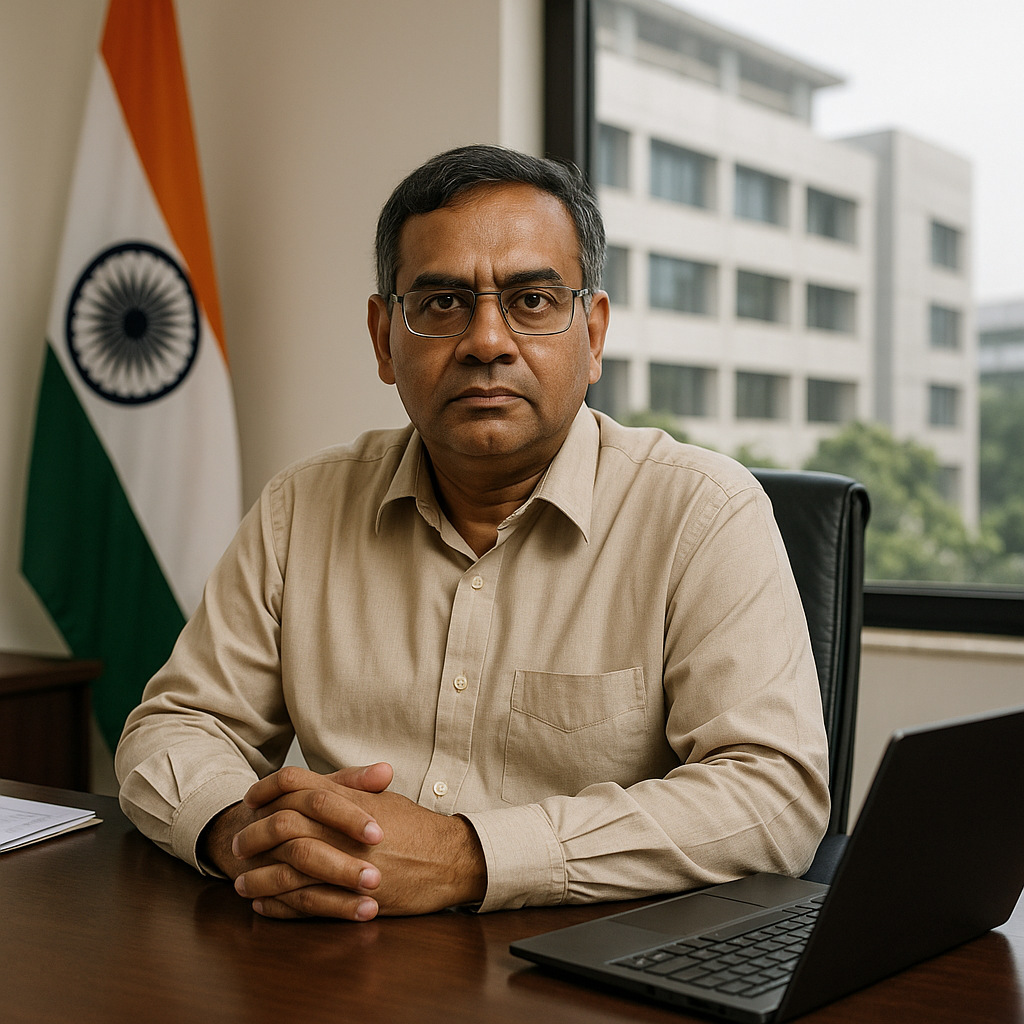
Can India achieve technological independence by 2047: Prof Kamakoti IIT Madras director
Introduction
As India approaches the centenary of its independence in 2047, discussions surrounding technological independence have gained momentum. Prof. Kamakoti, the Director of the Indian Institute of Technology (IIT) Madras, has been a prominent voice in this discourse. He emphasizes the importance of self-reliance in technology as a cornerstone for India’s future growth and development.
The Vision for 2047
Prof. Kamakoti envisions a future where India is not merely a consumer of technology but a global leader in innovation and development. This vision aligns with the government’s initiative of “Atmanirbhar Bharat” or self-reliant India, which aims to reduce dependency on foreign technology and foster indigenous capabilities.
Current State of Technology in India
India has made significant strides in various technological sectors over the past few decades. Key areas of progress include:
- Information Technology: India has emerged as a global hub for IT services, with a thriving software industry.
- Space Technology: The Indian Space Research Organisation (ISRO) has achieved remarkable milestones, including successful Mars and Moon missions.
- Telecommunications: The rollout of 4G and the upcoming 5G networks are set to revolutionize connectivity in the country.
- Start-up Ecosystem: India boasts one of the largest start-up ecosystems in the world, fostering innovation and entrepreneurship.
Challenges to Technological Independence
Despite the progress, several challenges hinder India’s journey toward technological independence:
- Dependency on Imports: A significant portion of India’s technology, particularly in electronics and defense, is still imported.
- Research and Development (R&D): Investment in R&D remains low compared to global standards, limiting innovation.
- Skill Gap: There is a need for a skilled workforce adept in advanced technologies such as artificial intelligence, machine learning, and data science.
- Infrastructure: Inadequate infrastructure for research and innovation can stifle growth in technological sectors.
Strategies for Achieving Technological Independence
To overcome these challenges, Prof. Kamakoti outlines several strategic initiatives:
- Enhancing R&D Investment: Increasing funding for research and development in both public and private sectors is crucial. This can be achieved through government incentives and partnerships with industry.
- Building a Skilled Workforce: Educational institutions must adapt their curricula to include emerging technologies. Collaborations between academia and industry can help bridge the skill gap.
- Promoting Indigenous Manufacturing: Encouraging local manufacturing of electronic components and systems can reduce dependency on imports. Initiatives like the Production-Linked Incentive (PLI) scheme are steps in this direction.
- Fostering Innovation: Creating innovation hubs and incubators can nurture start-ups and promote research initiatives. Government support for innovation challenges and grants can stimulate creativity.
The Role of IITs and Educational Institutions
Institutions like IIT Madras play a pivotal role in India’s technological landscape. Prof. Kamakoti emphasizes the following contributions of IITs:
- Research Excellence: IITs are at the forefront of research in various fields, contributing to advancements in technology and innovation.
- Industry Collaboration: Partnerships between IITs and industries can lead to practical applications of research and foster an entrepreneurial spirit among students.
- Global Outreach: IITs attract international students and researchers, promoting a diverse exchange of ideas and knowledge.
Government Initiatives Supporting Technological Independence
The Indian government has launched several initiatives to support the goal of technological independence:
- Digital India: A campaign aimed at transforming India into a digitally empowered society and knowledge economy.
- Make in India: An initiative to encourage companies to manufacture their products in India, thereby boosting local production.
- Startup India: A program designed to promote entrepreneurship by providing easier access to funding and resources for start-ups.
- National Policy on Electronics: A framework to promote the development of the electronics manufacturing ecosystem in India.
Conclusion
Achieving technological independence by 2047 is an ambitious yet attainable goal for India. With concerted efforts from the government, educational institutions, and the private sector, the country can overcome existing challenges and emerge as a leader in technology. Prof. Kamakoti’s insights underscore the importance of a collaborative approach to foster innovation and self-reliance in technology.
Note: The journey toward technological independence is ongoing, and it requires the collective efforts of all stakeholders in society.