CMPDI, IIT Dhanbad to undertake study on coal mine emissions for climate reporting
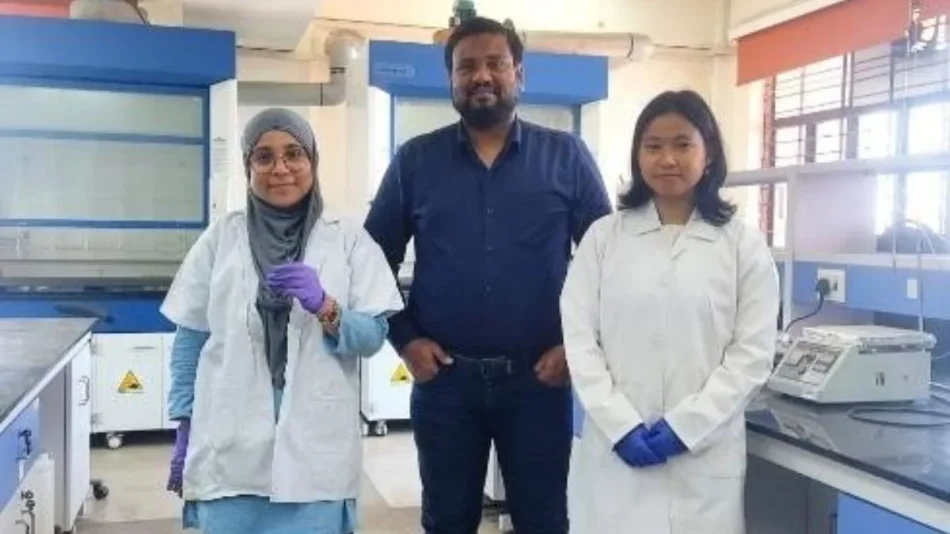
In a significant step towards enhancing climate transparency, the Central Mine Planning & Design Institute Limited (CMPDI) has partnered with the Indian Institute of Technology (ISM) Dhanbad to conduct a comprehensive study focused on assessing fugitive emissions from coal mines. This initiative is part of India’s upcoming Biennial Transparency Reports (BTR-2 and BTR-3), which are crucial for the country’s climate reporting obligations.
Background of the Study
The collaboration between CMPDI and IIT Dhanbad aims to address the pressing issue of greenhouse gas (GHG) emissions associated with coal mining activities. Fugitive emissions, which refer to the unintended release of gases during the extraction and processing of coal, pose significant challenges to environmental sustainability and climate change mitigation efforts.
Workshop and Methodology Development
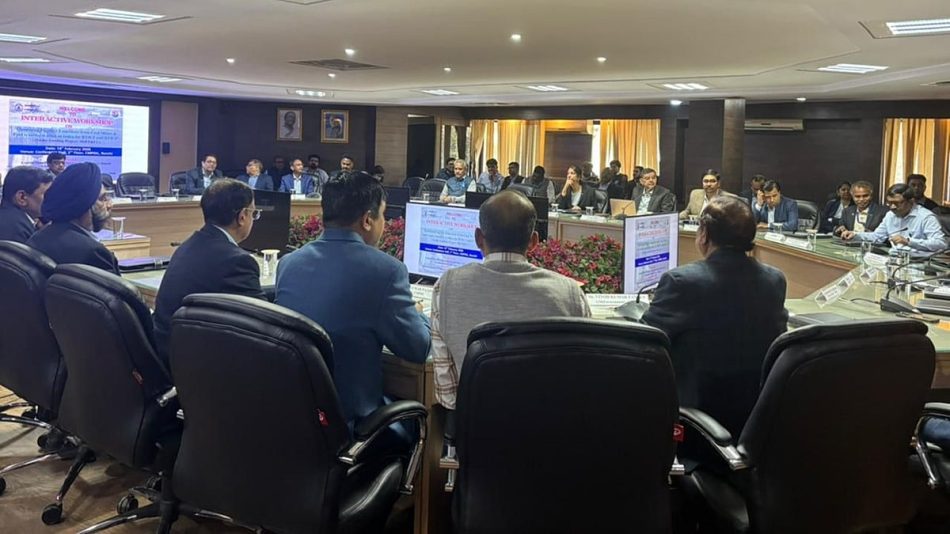
To kick off this initiative, CMPDI organized a one-day workshop on February 14, 2026, at its headquarters in Ranchi. The workshop brought together a diverse group of experts and stakeholders to discuss and deliberate on effective methodologies for estimating GHG emissions from coal mines. This collaborative effort is essential for developing a robust framework that aligns with international standards.
Key Focus Areas of the Workshop
- Identification of methodologies for GHG emission estimation.
- Discussion on sampling strategies for various types of coal mines.
- Data collection protocols for underground, opencast, and abandoned mines.
- Alignment of emission estimation processes with Intergovernmental Panel on Climate Change (IPCC) guidelines.
Follow-Up Meetings and Ongoing Discussions
Following the workshop, CMPDI officials convened a meeting on March 30, 2026, to delve deeper into the methodologies discussed. This meeting was crucial for refining the approaches to GHG assessment and ensuring that the processes are both accurate and consistent. The discussions included a review of inputs submitted under the first Biennial Transparency Report (BTR-1), which serves as a baseline for the current study.
Importance of Accurate Emissions Data
The exercise of assessing fugitive emissions is vital for improving the accuracy, consistency, and transparency of emissions data in India. Accurate emissions data is essential for the country to meet its climate commitments and to provide reliable information to international bodies. The study will not only enhance the scientific understanding of emissions from coal mining but also support India’s broader climate goals.
Strengthening Scientific Approaches
This initiative underscores CMPDI’s commitment to strengthening scientific approaches for emission assessment. By collaborating with IIT Dhanbad, a premier institution known for its expertise in mining and environmental engineering, CMPDI aims to leverage advanced research methodologies to improve emission estimation processes.
Supporting Sustainable Mining Practices
The findings from the study are expected to play a pivotal role in supporting sustainable mining practices in India. As the country continues to rely on coal as a significant energy source, it is imperative to adopt practices that minimize environmental impact and promote sustainability. The collaboration between CMPDI and IIT Dhanbad is a step towards achieving this goal.
Conclusion
In conclusion, the partnership between CMPDI and IIT Dhanbad represents a proactive approach to addressing the challenges posed by coal mine emissions. The study will contribute to India’s climate reporting efforts and enhance the transparency of emissions data. As the world increasingly focuses on climate change and sustainable practices, initiatives like this are crucial for ensuring that India meets its commitments while fostering responsible mining operations.
Note: The information provided in this article is based on the latest updates as of April 6, 2026, and aims to highlight the importance of accurate emissions reporting in the context of climate change.