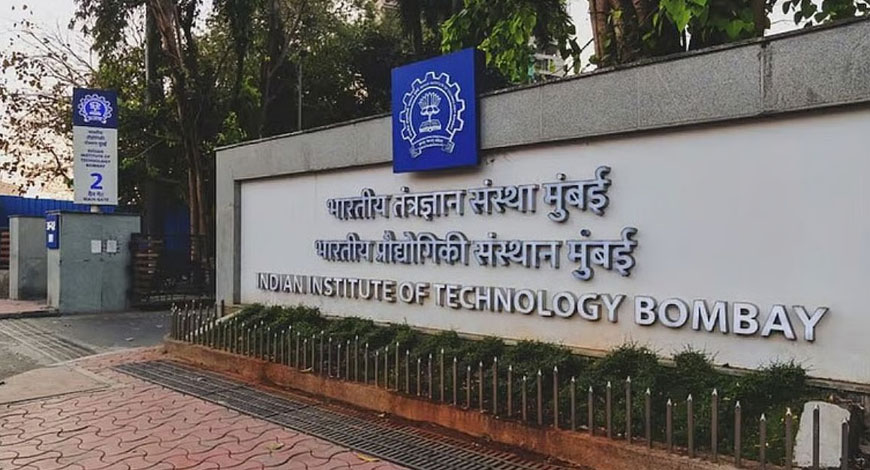
‘Coaching culture trains students to game exams, not build concepts’: IIT Bombay Director Shireesh Kedare at Idea Exchange
Insights from IIT Bombay Director Shireesh Kedare
In a recent Idea Exchange session, Professor Shireesh Kedare, the Director of the Indian Institute of Technology (IIT) Bombay, shared his thoughts on the impact of coaching culture on students, the challenges in clean energy adoption, and the evolving dynamics of student life at IIT Bombay. This session was moderated by Pallavi Smart, Principal Correspondent at The Indian Express.
The Impact of Coaching Culture on Education
Professor Kedare expressed concern that the prevalent coaching culture in India is training students to excel in exams rather than fostering a deep understanding of concepts. He noted that while coaching institutes may help students perform well in standardized tests, they often do not encourage critical thinking or conceptual clarity.
“The focus on exam performance can lead to a superficial understanding of subjects. Students learn to ‘game’ the system rather than engage with the material in a meaningful way,” he explained. This approach can hinder the development of essential skills required in the real world, where problem-solving and innovation are crucial.
Challenges in Clean Energy Adoption
Shifting the discussion to energy systems, Kedare highlighted the complexities surrounding the adoption of clean energy solutions in India. He emphasized that sustainability encompasses three key aspects: environmental, economic, and social. “Unless all three come together, nothing really progresses,” he stated.
Kedare pointed out that while environmental activists advocate for sustainable practices, industries often prioritize economic viability. “The key question becomes: how do you convert environmental sustainability into economic sustainability?” he asked. He provided an example of a solar thermal concentrator boiler developed at IIT Bombay, which was sold to environmentally committed groups despite the economic challenges.
Economic Viability of Clean Technologies
One of the significant barriers to clean energy adoption is the economic competitiveness of renewable technologies compared to conventional energy systems, which often benefit from subsidies. “For instance, coal transportation costs are subsidized, making it challenging for renewable technologies to compete,” Kedare explained.
He argued for the need to provide subsidies for solar technologies, particularly solar boilers, to level the playing field. “Each square meter of solar boiler can save nearly one barrel of oil per year, which translates into foreign exchange savings,” he added.
Policy and Regulatory Frameworks
Kedare discussed the importance of policy in driving clean energy adoption. He noted that while India does provide subsidies, they are primarily focused on solar photovoltaic (PV) technologies rather than a broader range of renewable solutions. “Solar PV is capital-intensive, and access to low-interest financing acts as a form of subsidy,” he noted.
He also mentioned the potential for regulatory tools, such as carbon taxes and renewable purchase obligations, to encourage the adoption of cleaner technologies. “In some cases, adoption is driven more by regulation than by economics,” he stated.
India’s Renewable Energy Goals
With India aiming to reach 500GW of renewable energy by 2030, Kedare acknowledged the challenges posed by reliance on solar and imports. “While solar PV is a major component, it is not the only renewable source. Wind energy, biomass, and waste-to-energy also play critical roles,” he explained.
He emphasized the need for a multi-faceted approach to energy generation, highlighting the importance of making renewable initiatives widely adoptable and reliable. “Achieving the target is doable, but it requires participation from everyone and a change in societal habits,” he asserted.
Student Culture at IIT Bombay
As a former student, faculty member, and now director of IIT Bombay, Kedare has witnessed significant changes in student culture over the years. He noted that while student facilities and freedoms have improved, the level of expectations has also increased, leading to greater pressure on students.
“IIT Bombay has become highly sought after, partly due to its strong ecosystem and student interactions. However, this brand value has also attracted students who may feel overwhelmed by the pressure to perform,” he observed.
Addressing Mental Health and Well-Being
Kedare acknowledged the importance of addressing mental health and well-being among students. “The pressure to excel can lead to anxiety and stress, and it is crucial for institutions to provide support systems for students,” he emphasized.
He advocated for a balanced approach to education that prioritizes both academic excellence and the overall well-being of students. “We need to create an environment where students can thrive, not just academically but also personally,” he concluded.
Conclusion
Professor Shireesh Kedare’s insights shed light on the pressing issues facing education and energy policy in India. As the coaching culture continues to influence student learning, it is essential to foster an environment that encourages conceptual understanding and critical thinking. Additionally, addressing the complexities of clean energy adoption through effective policy and regulatory frameworks will be crucial for India’s sustainable future. As IIT Bombay navigates these challenges, the focus on student well-being and holistic education remains paramount.
Note: The views expressed in this article reflect the insights shared by Professor Shireesh Kedare during the Idea Exchange session and do not necessarily represent the official stance of IIT Bombay.