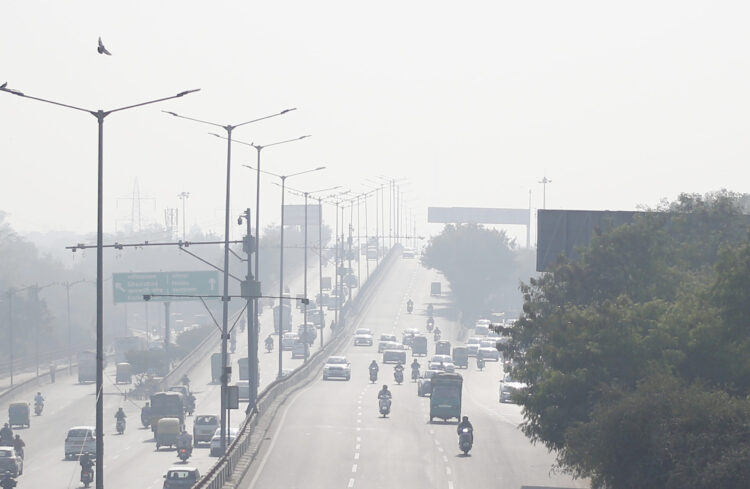
Delhi Traffic Police's Drive Tackles Congestion at IIT Intersection
In a significant move to address the persistent traffic congestion at the IIT intersection in New Delhi, the Delhi Traffic Police launched a week-long enforcement campaign that resulted in the issuance of 746 challans. This initiative aimed to alleviate traffic woes caused by improper parking, long queues at CNG stations, and peak-hour school traffic.
Background of the Initiative
The IIT intersection has long been a hotspot for traffic congestion, exacerbated by a combination of factors including roadside parking, heavy vehicle flow, and the proximity of educational institutions. The Delhi Traffic Police, in collaboration with the Delhi Transport Corporation and local stakeholders, recognized the need for immediate action to improve traffic flow and ensure pedestrian safety.
Key Objectives of the Drive
The primary objectives of the enforcement campaign included:
- Reducing congestion caused by improper parking.
- Managing queues at the nearby CNG station.
- Improving traffic flow during peak school hours.
- Enhancing pedestrian movement and safety.
Implementation Strategies
The campaign was meticulously planned and executed with the following strategies:
- Personnel Deployment: Traffic police personnel were stationed at all four arms of the intersection to monitor and manage vehicle flow effectively.
- Enforcement of Regulations: Strict enforcement of traffic regulations was carried out, including the issuance of challans to violators.
- Removal of Encroachments: Efforts were made to clear encroachments that contributed to congestion, including a request to relocate a government liquor store.
- Public Awareness Campaigns: The initiative also focused on raising public awareness about the importance of adhering to traffic rules.
Results of the Campaign
The week-long drive proved to be effective, with the issuance of 746 challans highlighting the level of non-compliance among drivers. The enforcement actions not only aimed to penalize offenders but also served as a deterrent against future violations.
Impact on Traffic Flow
As a result of the initiative, noticeable improvements in traffic flow were observed at the IIT intersection. The removal of improperly parked vehicles and better management of CNG queues contributed to a smoother transit experience for commuters.
Pedestrian Safety Enhancements
In addition to improving vehicle flow, the campaign also prioritized pedestrian safety. With better regulation of traffic, pedestrians found it easier to navigate the intersection without the risk of accidents.
Future Plans and Continued Efforts
The Delhi Traffic Police, in conjunction with local authorities, plans to continue its efforts to maintain the improvements achieved during the week-long drive. Future initiatives may include:
- Regular monitoring of traffic patterns at the IIT intersection.
- Implementation of additional traffic management solutions, such as traffic lights and signage.
- Continued public awareness campaigns to educate drivers and pedestrians about safe practices.
- Collaboration with local stakeholders to address any ongoing issues related to traffic congestion.
Community Involvement
The success of the campaign also relied heavily on community involvement. Local stakeholders, including residents and business owners, were encouraged to participate in discussions about traffic management and to report any issues they observed. This collaborative approach is essential for creating a sustainable solution to traffic congestion.
Conclusion
The Delhi Traffic Police’s week-long drive at the IIT intersection marks a significant step towards tackling the challenges of urban traffic congestion. By focusing on enforcement, public awareness, and community involvement, the initiative has laid the groundwork for ongoing improvements in traffic management and pedestrian safety. Continued efforts will be crucial in ensuring that these changes are maintained and that the intersection remains accessible and safe for all users.
Note: The information presented in this article is based on reports and data available as of April 2026. The situation may evolve as further measures are implemented by the authorities.