Dispute over fate of Kenyan workers who saw Meta AI glasses films
Meta, the parent company of Facebook, is facing scrutiny after the termination of a significant contract with Sama, a company that employed Kenyan workers to review content captured by Meta’s AI-powered smart glasses. This decision has raised concerns regarding the treatment of workers and the ethical implications of AI technology.
Background of the Situation
In February 2023, workers at Sama reported to Swedish newspapers that they had been exposed to graphic content while reviewing videos filmed by users of Meta’s smart glasses. According to reports, these workers witnessed various private moments, including individuals using the restroom and engaging in sexual activities.
Less than two months after these allegations surfaced, Meta announced the cancellation of its contract with Sama, which resulted in the redundancy of 1,108 workers. Meta claims that the termination was due to Sama’s failure to meet operational standards, a statement that Sama has vehemently rejected.
Allegations and Responses
Following the reports from the Swedish media, Meta faced backlash and scrutiny from regulatory bodies. The UK Information Commissioner’s Office (ICO) expressed concern over the situation, while the Office of the Data Protection Commissioner in Kenya initiated its own investigation into privacy issues related to the glasses.
A Meta spokesperson stated, “We take these claims seriously. Photos and videos are private to users. Humans review AI content to improve product performance, for which we get clear user consent.” However, the timing of the contract termination raised suspicions among workers and advocacy groups.
Worker Experiences
Workers at Sama, who were primarily data annotators, were tasked with teaching Meta’s AI to interpret images by manually labeling content. They also reviewed transcripts of interactions with the AI to ensure accurate responses. Some workers reported distressing experiences, including instances where the glasses recorded intimate moments without the subjects’ consent.
One worker recounted a situation where a man left his glasses recording in a bedroom, capturing footage of his wife undressing. Such incidents have fueled concerns about the potential misuse of the technology and the ethical responsibilities of companies like Meta.
Meta’s Justifications and Industry Standards
Meta has defended its practices, stating that the review of user-generated content is a common industry standard aimed at enhancing customer experience. However, the revelations have prompted calls for greater transparency and accountability in the use of AI technologies.
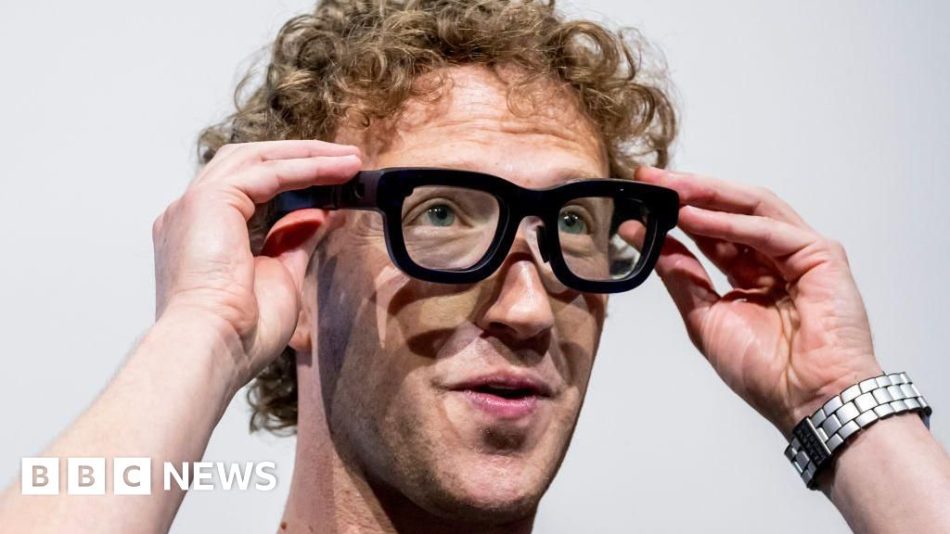
In September 2023, Meta introduced a range of AI-powered glasses in collaboration with brands like Ray-Ban and Oakley, which have sparked both interest and concern among consumers and regulators. Features of these glasses include text translation and answering questions about the user’s surroundings, particularly benefiting individuals with visual impairments.
Ethical Considerations and Future Implications
The controversy surrounding the Kenyan workers has raised important questions about the ethical implications of AI technologies and the treatment of workers involved in content moderation. Critics argue that the reliance on low-cost labor in developing countries to handle sensitive content is problematic and can lead to exploitation.
Naftali Wambalo, a representative of the Africa Tech Workers Movement, suggested that Meta’s decision to end its contract with Sama was influenced by the workers’ willingness to speak out about the troubling content they were reviewing. He stated, “What I think are the standards they are talking about here are standards of secrecy.”
Mercy Mutemi, a lawyer representing the affected workers, warned that the situation should serve as a cautionary tale for the Kenyan government as it seeks to build its AI industry. She emphasized the need for a solid ethical foundation to ensure the protection of workers and the responsible use of technology.
Conclusion
The dispute over the fate of Kenyan workers who were involved in reviewing content from Meta’s AI glasses highlights the complexities and ethical dilemmas surrounding the use of artificial intelligence in the modern workforce. As technology continues to advance, it is crucial for companies to prioritize the welfare of their workers and uphold ethical standards in their operations.
Note: This article is based on information available as of October 2023 and reflects ongoing developments in the field of artificial intelligence and labor rights.