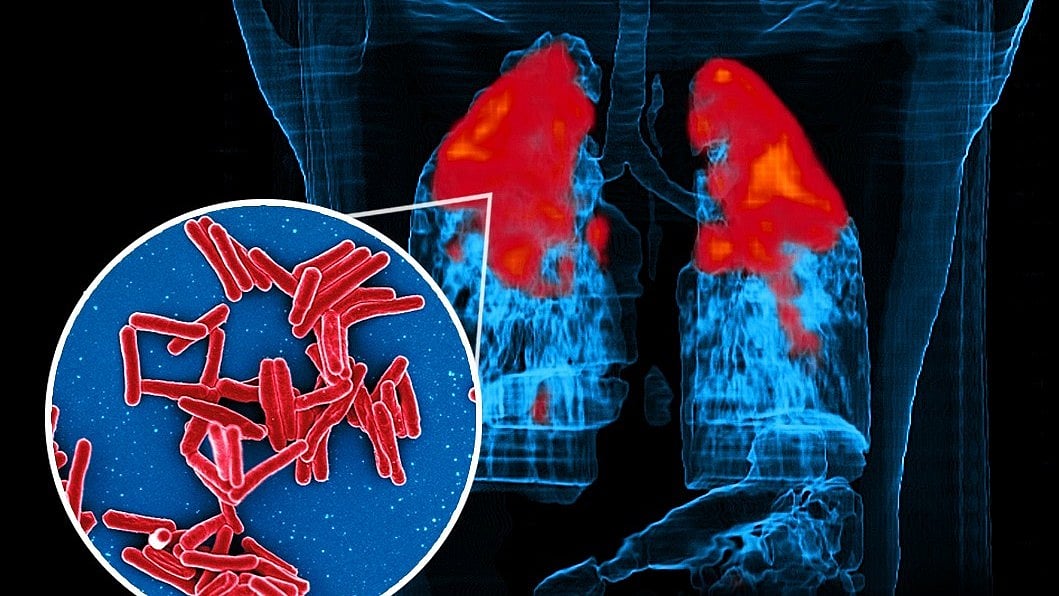
Dormant TB Bacteria’s Defence Mechanism Decoded In IIT Bombay: Monash Study
Tuberculosis (TB) is one of the most significant infectious diseases affecting millions of people worldwide. Recent research conducted by scientists from the Indian Institute of Technology (IIT) Bombay in collaboration with Monash University has shed light on the defense mechanisms employed by dormant TB bacteria. This groundbreaking study is crucial in understanding how these bacteria evade treatment and could lead to the development of more effective therapies.
The Global Burden of Tuberculosis
According to estimates, in 2023, approximately 10.8 million individuals were infected with TB, leading to around 1.25 million deaths globally. India bears the highest burden of this disease, with over 2.6 million reported cases in 2024. The protracted treatment duration for TB is primarily due to the bacteria’s ability to switch into a dormant state, where they become inactive yet can survive for extended periods.
Understanding Dormant TB Bacteria
Dormant TB bacteria present a significant challenge in treatment because they can evade the effects of antibiotics. Antibiotics are most effective against actively dividing bacteria, and dormant cells can remain undetected and untreated. This dormancy is a survival strategy that allows TB bacteria to withstand harsh conditions, including the presence of antibiotics.
Research Findings
The study published in the journal Chemical Science reveals that dormant TB bacteria develop an extra-rigid outer membrane that acts as a barrier against antibiotics. This membrane modification is a key factor in the bacteria’s ability to resist treatment. Researchers found that when dormant bacteria were exposed to common TB drugs such as rifabutin, moxifloxacin, amikacin, and clarithromycin, they required two to ten times higher doses to inhibit their growth compared to active bacteria.
Experimental Methodology
To conduct their research safely, the scientists utilized Mycobacterium smegmatis, a non-pathogenic bacterium that shares similar characteristics with TB. They cultivated this bacterium under both active and dormant conditions to observe its response to various antibiotics. The results indicated that the increased tolerance of dormant bacteria was not due to genetic resistance but rather due to physical changes in their structure.
Implications for Future Treatments
The discovery of the rigid outer membrane in dormant TB bacteria opens up new avenues for therapeutic interventions. By targeting and weakening this membrane, it may be possible to enhance the efficacy of existing TB drugs, allowing them to penetrate and kill dormant cells more effectively. This could significantly reduce the duration of treatment and improve outcomes for patients.
Potential Strategies for Drug Development
- Membrane Disruption: Developing agents that can disrupt the rigid outer membrane of dormant bacteria could facilitate the entry of antibiotics.
- Combination Therapies: Combining existing antibiotics with new agents that target the membrane may enhance their effectiveness against dormant TB cells.
- Research on Dormancy Mechanisms: Further studies into the mechanisms of dormancy could lead to the identification of new drug targets.
Conclusion
The collaborative research between IIT Bombay and Monash University marks a significant advancement in our understanding of how dormant TB bacteria protect themselves from antibiotics. By decoding their defense mechanisms, scientists are paving the way for the development of innovative treatment strategies that could ultimately save lives. Addressing the challenge posed by dormant TB bacteria is essential for controlling and eliminating tuberculosis as a global health threat.
Note: The findings of this study highlight the importance of continued research in the field of infectious diseases, particularly in understanding the complexities of bacterial survival strategies and their implications for treatment.