Elon Musk calls medical school 'pointless,' says robots will beat any surgeon in 3 years — telling students to walk away
Introduction
In a bold statement, Tesla CEO Elon Musk has declared that medical school is “pointless” and suggested that robots will surpass human surgeons within three years. This assertion raises significant questions about the future of healthcare and the role of artificial intelligence (AI) in medical professions.
The Rise of AI in Healthcare
The conversation around AI and its impact on job markets has intensified, especially in light of a recent Quinnipiac University poll indicating that nearly 75% of workers believe AI will diminish job opportunities for humans. Furthermore, 30% of employed Americans express concern that AI could make their jobs obsolete.
Musk’s Vision for the Future
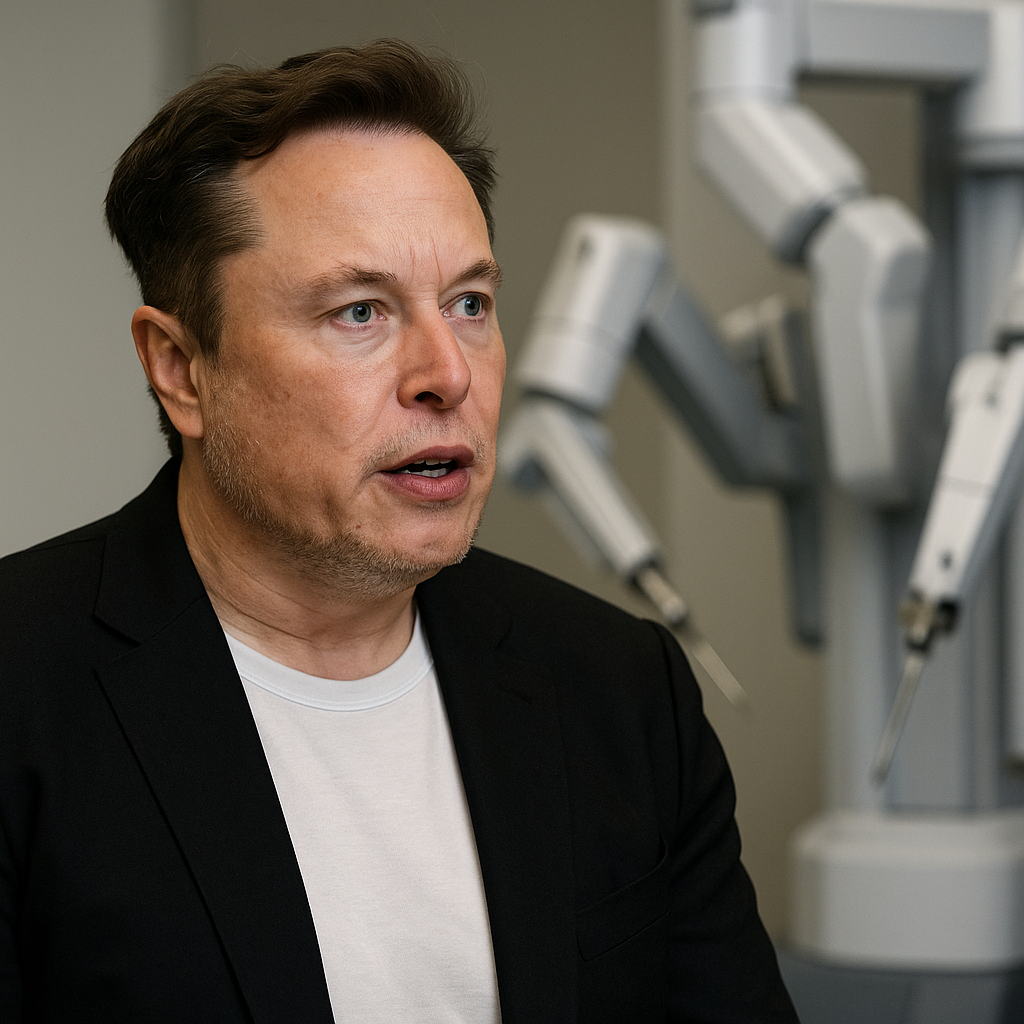
During an interview on the Moonshots podcast with engineer Peter Diamandis, Musk claimed that his AI-powered Tesla Optimus humanoid robot could replace surgeons. He stated, “There will probably be more Optimus robots that are great surgeons than there are all surgeons on Earth,” and emphasized that this technology would make medical care more accessible and superior to what even high-ranking officials currently receive.
Current State of Medical Robotics
While the medical robotics market is projected to exceed $57 billion globally in the coming years, largely due to the demand for minimally invasive procedures, the technology is still in its infancy. Robots currently assist surgeons by enhancing precision and visibility during operations, but the idea of robots performing complex surgeries independently remains contentious.
Expert Opinions on Robotic Surgeons
Experts in the field express skepticism regarding Musk’s claims. Arthur Caplan, a bioethicist at New York University’s Grossman School of Medicine, stated that while robotic doctors are on the horizon, the notion that they will soon replace human surgeons is “not credible.” He highlighted the extensive time required to develop robots capable of handling intricate medical procedures.
Dr. Martin Pham, an associate professor of neurosurgery at the University of California San Diego, echoed these sentiments, noting that while robotic technology can enhance surgical care, it cannot replicate the critical judgment exercised by human surgeons. This sentiment is shared by the general public, as a Quinnipiac University poll revealed that only 3% of Americans would feel comfortable relying solely on AI for reading medical scans, with 81% preferring a combination of human and AI input.
The Physician Shortage Crisis
The U.S. is facing a significant physician shortage, projected to reach nearly 200,000 doctors by 2037. This shortage is attributed to several factors, including an aging population, limited training capacity for new doctors, and a retirement wave among older physicians. As a result, the healthcare system is under increasing strain.
Efforts to Address the Shortage
Despite the grim outlook, there are signs of hope. The Association of American Medical Colleges reported a rise in medical school enrollment, with over 100,000 students enrolled for the 2025-2026 academic year—a 5.3% increase, marking the largest gain in a decade. Additionally, some medical groups are focusing on innovative recruitment strategies and utilizing AI to streamline daily tasks for healthcare providers.
Policy Changes to Expedite Medical Practice
At least 17 states have enacted laws allowing select foreign-trained doctors to bypass traditional residency requirements, enabling them to practice medicine more quickly. A 2025 study also suggested that addressing compensation equity and reducing administrative burdens could help alleviate the physician shortage.
Conclusion
Elon Musk’s controversial statements about the future of medicine and the role of AI in surgery highlight a rapidly evolving landscape in healthcare. While advancements in robotic technology are promising, the complexity of medical procedures and the irreplaceable human element in healthcare cannot be overlooked. As the U.S. grapples with a physician shortage, a balanced approach that incorporates both technology and human expertise will be essential for the future of medical care.
Note: This article provides information only and should not be construed as medical or professional advice. It is provided without warranty of any kind.