Flameless Cooking Breakthrough: IIT Tirupati Students Develop Fuel-Saving 'Radiant Burner'
Published: April 10, 2026
Introduction
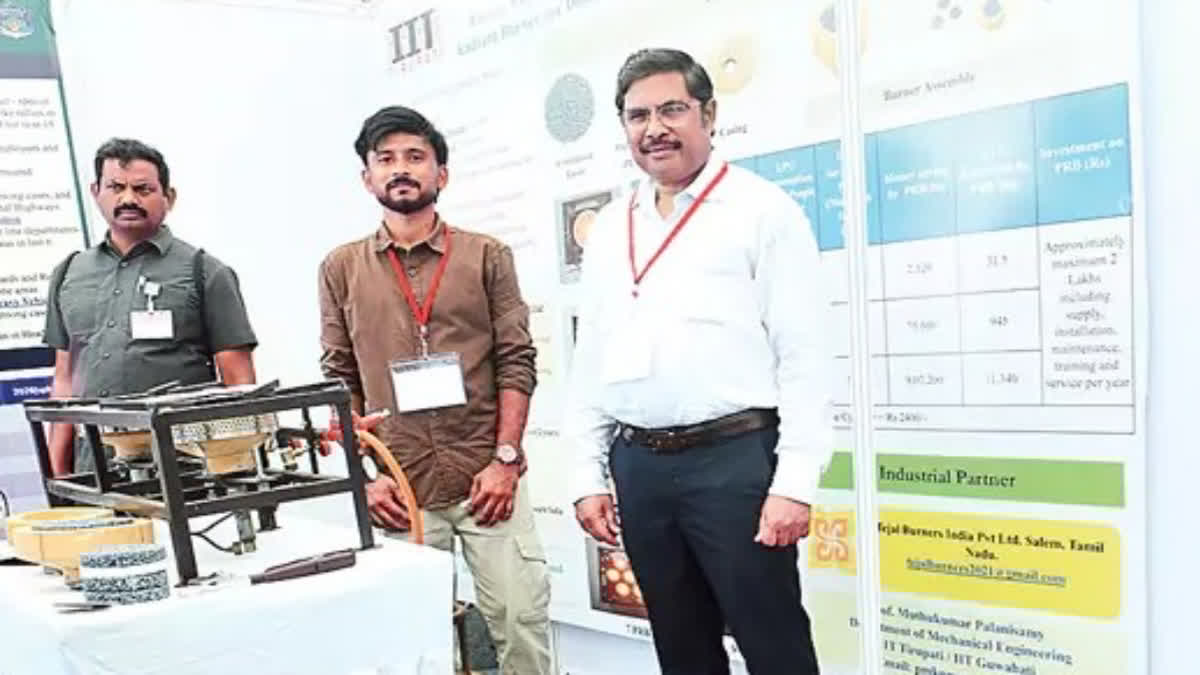
In a significant advancement in cooking technology, students from the Indian Institute of Technology (IIT) Tirupati have developed a revolutionary flameless stove that aims to redefine household cooking systems. This innovation focuses on improving fuel efficiency while promoting cleaner cooking methods. The new device, known as the Porous Radiant Burner (PRB), showcases the potential to operate on multiple fuel types, including Liquefied Petroleum Gas (LPG), Piped Natural Gas (PNG), Compressed Natural Gas (CNG), biogas, Compressed Biogas (CBG), and even hydrogen.
Understanding the Porous Radiant Burner
The PRB distinguishes itself from conventional gas stoves by eliminating visible flames. Instead, it relies on radiant heat to cook food. According to Pavan, a PhD student involved in the project, “The burner does not produce a visible flame. Instead, it heats up and radiates energy uniformly.” This innovative technology utilizes a specially designed ceramic structure made of alumina and silicon carbide layers, which allows for efficient heat distribution.
How It Works
When fuel is supplied to the burner, its surface heats up to a red-hot temperature, emitting radiant heat that ensures uniform cooking without the dangers associated with open flames. This mechanism enhances safety in the kitchen while maintaining consistent heat distribution, which is crucial for effective cooking.
Environmental Benefits
One of the most significant advantages of the Porous Radiant Burner is its minimal environmental impact. The absence of a visible flame naturally leads to a reduction in pollutant emissions, making it a cleaner alternative to traditional cooking methods. This is particularly important in the context of increasing concerns about air quality and the environmental effects of conventional cooking fuels.
Fuel Efficiency and Cost Savings
The PRB not only promotes cleaner cooking but also offers substantial fuel savings. Research conducted by the IIT Tirupati team indicates that gas consumption can be reduced by 50 to 70 percent when using the Porous Radiant Burner. This reduction in fuel usage could significantly lower household energy costs, making it an economically viable option for families.
Commercialization and Future Prospects
The team behind the PRB has successfully secured a patent for their innovative technology and is now exploring avenues for scaling and commercialization. Experts believe that such innovations could play a crucial role in addressing fuel efficiency challenges while advancing sustainable energy solutions in the domestic sector.
Conclusion
The development of the Porous Radiant Burner by IIT Tirupati students marks a pivotal step towards cleaner, safer, and more efficient cooking solutions. As the world increasingly focuses on sustainability and reducing carbon footprints, innovations like the PRB could pave the way for a new era in household cooking technology.
Related Innovations
In addition to the PRB, there are other notable innovations in the cooking technology space. For instance, a local innovator in Odisha has developed a cooking alternative that utilizes waste engine oil amid rumors of LPG shortages. Such creative solutions highlight the ongoing efforts to address fuel crises and promote sustainable cooking practices.
Final Thoughts
As we look towards the future of cooking technology, the emphasis on fuel efficiency, safety, and environmental impact will be paramount. The advancements made by the students at IIT Tirupati serve as an inspiring example of how innovation can lead to practical solutions for everyday challenges.
Note: The information presented in this article is based on developments reported as of April 2026 and may be subject to change as new advancements emerge.