Golden Lessons from the UAE Pact, Crypto SIPs Surge, and IIT Madras’s Consulting Windfall
Welcome to our latest edition of Editor’s Picks from Moneycontrol, where we delve into significant financial trends and insights shaping the Indian economy. In this article, we explore three major topics: the implications of the UAE trade pact, the rising popularity of crypto Systematic Investment Plans (SIPs), and the impressive consulting revenue generated by IIT Madras.
Lessons from the UAE Trade Pact
India’s experience with the UAE trade agreement has provided critical lessons for future negotiations. According to Adrija Chatterjee, the Indian government is now cautious about including bullion in free trade agreements. This decision comes after a notable increase in imports due to tariff concessions, which saw gold imports from the UAE nearly triple and silver imports surge more than 46-fold between FY22 and FY25.
In response to these challenges, India is prioritizing the securing of silver supplies along with other critical materials in ongoing trade discussions with Peru and Chile. This strategy is particularly important following China’s recent export restrictions on silver, which have raised concerns about supply stability.
Surge in Crypto SIPs in India
The landscape of cryptocurrency investment in India is evolving rapidly, with a significant increase in the adoption of crypto SIPs. Debangana Ghosh reports that exchanges such as CoinDCX, CoinSwitch, and Mudrex have witnessed a remarkable 60% surge in crypto SIPs in 2025. Popular assets among investors include Bitcoin, Ethereum, Solana, and Ripple.
Despite the heavy taxation imposed on crypto assets in India, investors are not deterred from holding these digital currencies. The growing interest in crypto SIPs reflects a broader acceptance of cryptocurrency as a legitimate investment avenue, particularly among younger investors seeking diversification in their portfolios.
IIT Madras’s Consulting Revenue Windfall
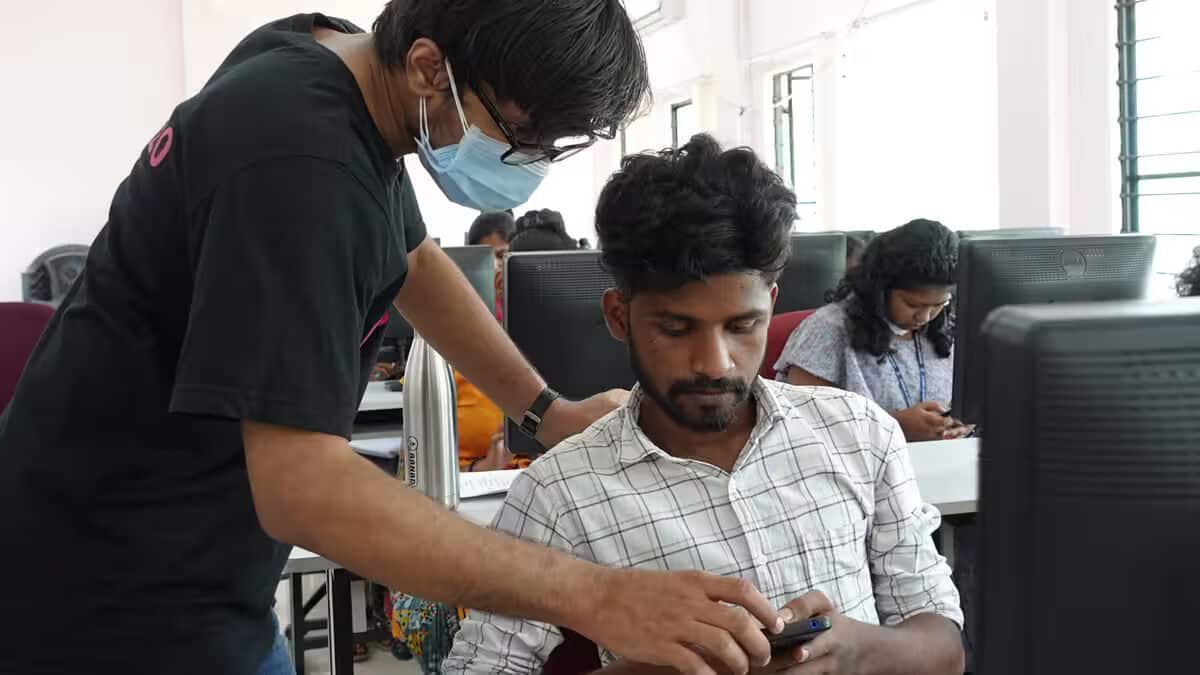
IIT Madras has emerged as a key player in the consulting space, attracting deep tech investors seeking specialized expertise. Reshab Shaw reports that the institute’s consulting revenue has exceeded Rs 2,800 crore over the past five years. Venture capitalists are increasingly turning to IIT Madras for guidance in critical areas such as space technology, semiconductors, and artificial intelligence systems.
This trend highlights the growing recognition of academic institutions as valuable resources for innovation and technical expertise. As the demand for advanced technologies continues to rise, IIT Madras is well-positioned to play a pivotal role in shaping the future of India’s tech landscape.
Energy Markets and Venezuela’s Oil Fortunes
The energy markets are closely monitoring developments in Venezuela, as access to cheaper crude oil from the Latin American country could enhance profit margins for refiners like Reliance Industries. Zoya Springwala reports that Venezuela’s oil fortunes are dwindling, presenting both challenges and opportunities for the global oil market.
Investors are keenly aware of the potential impact of Venezuelan oil on pricing and supply dynamics, making it a critical area of focus for those involved in the energy sector.
Indirect Tax System in India
The indirect tax system in India is entering a more stable phase, with Meghna Mittal reporting that the Goods and Services Tax (GST) in 2026 is expected to undergo fine-tuning rather than sweeping reforms. Key areas of focus will include correcting inverted duty structures, easing compliance for small businesses, and enhancing enforcement measures to bolster consumption and business confidence.
As the budget approaches, various industries are presenting their wish lists to the government. The semiconductor industry, in particular, is advocating for the continuity of incentives, faster payouts, and tax relief in the upcoming budget. The India Electronics and Semiconductor Association has urged the government to ensure timely disbursement of incentives and address bottlenecks in testing and certification frameworks.
Market Dynamics and Retail Investors
Vikas Singh warns that the middle class is increasingly becoming the market’s exit liquidity. He argues that steady SIP inflows and derivatives trading are creating a permanent pool of liquidity that benefits institutional investors, while retail investors are left to navigate market volatility. This trend raises concerns about the long-term sustainability of retail participation in the market.
India’s Medal Aspirations and the Commonwealth Games
Finally, Ishaan Gera examines India’s aspirations for Olympic success in light of hosting the Commonwealth Games. While there is evidence to suggest that hosting such events can lead to increased athlete participation, the correlation between hosting and medal success remains uncertain. Past hosts like Australia and Malaysia have shown mixed results, indicating that merely hosting does not guarantee an increase in medal counts.
Conclusion
In summary, the financial landscape in India is undergoing significant changes, driven by lessons learned from international trade agreements, the rise of cryptocurrency investments, and the increasing role of academic institutions in consulting. As we move forward, it will be crucial for stakeholders to adapt to these evolving dynamics to capitalize on emerging opportunities.
Note: The insights presented in this article are based on the latest reports and analyses from Moneycontrol, reflecting the current trends and challenges in the Indian economy.