Google engineer rejected by 16 colleges uses AI to sue universities for racial discrimination
In a remarkable legal battle, a Palo Alto father, Nan Zhong, has taken on several prestigious universities after his son, Stanley Zhong, faced multiple college rejections despite impressive academic credentials. This case has garnered attention not only for its implications regarding racial discrimination in college admissions but also for the innovative use of artificial intelligence (AI) in pursuing legal action.
The Background
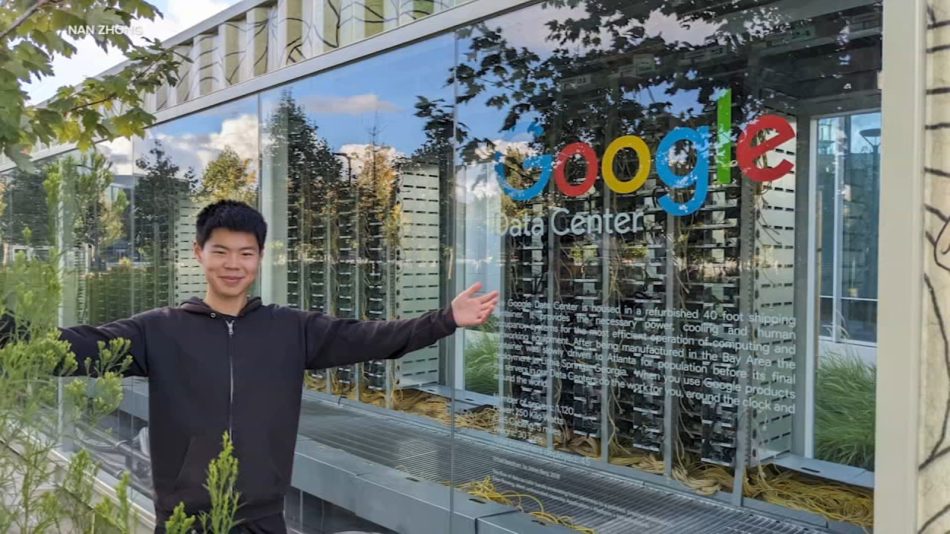
Stanley Zhong, a former student at Gunn High School, achieved a remarkable 4.4 GPA and a near-perfect SAT score of 1590. Despite these accomplishments, he was rejected by 16 out of the 18 colleges he applied to in 2023. The rejections were particularly puzzling given his stellar academic performance, and the situation took a turn when he was subsequently hired as a software engineer at Google.
Now 21 years old, Stanley has excelled in his role at Google, receiving an outstanding impact performance rating in 2025, which is higher than the majority of his peers. His father, Nan Zhong, believes that racial discrimination played a significant role in the college admissions process, a sentiment that has fueled their legal fight.
The Legal Journey
The family’s legal struggle began after they engaged in discussions with officials from the University of California regarding Stanley’s rejections. However, these discussions yielded no fruitful results. The turning point came when a University of California admissions director dismissed their allegations of racial discrimination, stating that California law prohibits such practices. This response left Nan Zhong feeling frustrated and convinced that further dialogue would be futile.
In light of the lack of progress, the Zhong family decided to file lawsuits against several universities, including the University of California system, the University of Washington, the University of Michigan, and Cornell University. However, they faced significant challenges in finding legal representation. Nan Zhong noted that they approached numerous law firms, both local and national, but none agreed to take on their case.
Turning to Artificial Intelligence
With the statutes of limitation approaching and no legal assistance in sight, the Zhong family made the unprecedented decision to represent themselves in court. Recognizing their lack of legal experience, they turned to AI for support. Nan Zhong described this decision as a “boon” that exceeded their expectations in effectiveness.
The family employs multiple AI models to analyze legal questions, compare answers, and minimize errors. Nan Zhong likened the experience to having a team of top lawyers working on their behalf. This innovative approach has allowed them to navigate the complexities of the legal system more effectively than they could have anticipated.
Recent Developments
A recent ruling in their case against the University of Washington highlighted the unique challenges faced by students in admissions lawsuits. Typically, students lose legal standing once they reach their junior year of college. However, Stanley’s situation is different; he has not yet enrolled in college, providing him with “evergreen legal standing” to pursue the lawsuit.
Nan Zhong noted that the admissions landscape has shifted significantly since Stanley’s rejections. The Supreme Court’s ruling that banned affirmative action in college admissions has led to increased scrutiny of elite universities. The Zhong family believes that their case is not just about their son but also about broader issues of fairness and equity in college admissions.
Establishing a Nonprofit
In their quest for justice, the Zhong family has established a nonprofit organization called SWORD (Students Who Oppose Racial Discrimination). This initiative aims to advocate for students who believe they have faced discrimination in the college admissions process. The family has also received some financial support through a GoFundMe campaign to help fund their legal battles.
Despite the challenges they have faced, Nan Zhong expressed optimism about their unique position in this legal fight. “We think we have a unique advantage, and we don’t want to let that go,” he stated, underscoring their commitment to pursuing the case for the sake of their son and other students who may be facing similar challenges.
The Broader Implications
The Zhong family’s case raises important questions about the college admissions process and the potential for bias within it. As universities navigate the complexities of admissions criteria, the implications of their decisions can have far-reaching effects on students’ futures. The use of AI in legal representation also highlights the evolving landscape of technology and its potential to empower individuals in their pursuit of justice.
As the legal proceedings continue, the Zhong family remains focused on their goal of holding universities accountable for their admissions practices. Their journey serves as a reminder of the importance of equity and fairness in education and the need for ongoing dialogue about how these values are upheld in the college admissions process.
Conclusion
The case of Stanley Zhong and his father, Nan Zhong, is a compelling example of how personal experiences can lead to broader societal challenges. Their innovative use of AI in pursuing legal action against prestigious universities underscores the intersection of technology and justice in the modern age. As they continue their fight, their story may inspire others to advocate for fairness and equity in education.
Note: The information presented in this article is based on a news report from ABC7 Los Angeles and reflects the situation as of April 9, 2026.