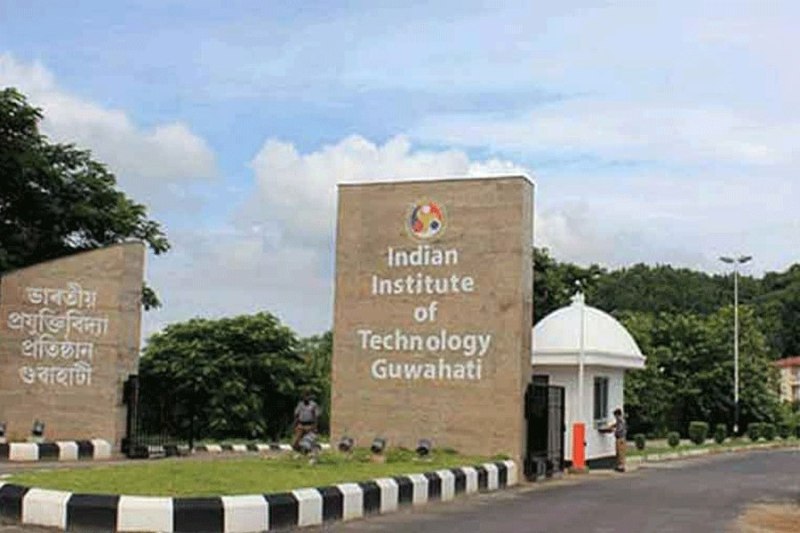
Govt, Academia and Industry Meet at IIT Guwahati to Rethink Human Capital for AI Era
A two-day Working Group Meeting on Human Capital commenced at IIT Guwahati on January 5, 2026, bringing together senior policymakers, academics, industry leaders, and practitioners to discuss strategies for preparing India’s workforce for the age of Artificial Intelligence (AI). The event was hosted by the Ministry of Electronics and Information Technology (MeitY), the IndiaAI Mission, the Government of Assam, and IIT Guwahati.
Objectives of the Meeting
The primary focus of the discussions was on:
- Education reform
- Workforce transition
- Adoption of inclusive, human-centric AI
The outcomes of this meeting are expected to influence national policy decisions and contribute to discussions at the upcoming India AI Impact Summit 2026, scheduled to be held in New Delhi from February 15 to 20.
Keynote Addresses
The inaugural session featured several prominent speakers, including:
- Syedain Abbasi, Special Chief Secretary of Assam
- K. S. Gopinath Narayan, Principal Secretary (IT), Government of Assam
- Prof. T. G. Sitharam
- Devendra Jalihal, Director of IIT Guwahati
- Shikha Dahiya, Joint Director at IndiaAI, MeitY
Each speaker emphasized the critical role of human capital in India’s journey towards AI integration. They advocated for a shift from traditional skilling models to a framework that embraces lifelong learning and institutional readiness.
Insights from the Speakers
Prof. Devendra Jalihal
Welcoming the participants, Prof. Jalihal stated that IIT Guwahati aims to serve as a bridge between policymakers, academia, industry, and students in developing future-ready human capital. He highlighted the institute’s commitment to working at the intersection of technology, education, and society, noting the strong student participation as a sign of growing interest in building inclusive AI ecosystems.
Shikha Dahiya
Shikha Dahiya elaborated on the vision for the India AI Impact Summit 2026, emphasizing the focus on human capital, democratization of AI resources, and responsible AI adoption, particularly in the Global South. She mentioned that the IndiaAI Mission is dedicated to nurturing future-ready talent through enhanced computational capacity, indigenous datasets, and large-scale AI skilling initiatives across the nation.
Prof. T. G. Sitharam
Prof. Sitharam stressed the necessity for a people-centric and inclusive approach in transitioning towards an AI-driven economy. He pointed out that India requires robust lifelong learning systems that prioritize not only technical skills but also adaptability, judgement, and human values. This holistic approach aims to ensure that technological advancements lead to dignity and opportunities for all.
K. S. Gopinath Narayan
From the government’s perspective, K. S. Gopinath Narayan highlighted the transformative impact of AI on economies and societies. He underscored the importance of continuous learning, micro-skilling, and basic AI literacy as essential capabilities for the public. He called for a proactive approach to equip the workforce with the necessary skills to thrive in an AI-centric environment.
Future Implications
The discussions at IIT Guwahati are poised to have far-reaching implications for India’s approach to AI and human capital development. As AI continues to reshape industries, it is crucial for educational institutions, government bodies, and industry players to collaborate in creating a workforce that is not only skilled but also adaptable to the rapid changes brought about by technological advancements.
Conclusion
The Working Group Meeting at IIT Guwahati marks a significant step towards rethinking human capital in the context of AI. By fostering collaboration among government, academia, and industry, India can pave the way for a future-ready workforce that is equipped to meet the challenges and opportunities of the AI era.
Note: This article summarizes the key points discussed during the Working Group Meeting on Human Capital at IIT Guwahati, emphasizing the collaborative efforts needed to prepare India’s workforce for the future of AI.