Gujarat facing new heatwave pattern according to new study: IIT-Gandhinagar research flags alarming rise
Recent research conducted by the Indian Institute of Technology (IIT) Gandhinagar has raised significant concerns regarding the rising frequency and intensity of heatwaves in Gujarat. This study highlights a disturbing trend in the state’s climate patterns, which could have profound implications for public health, agriculture, and overall economic stability.
The Findings of the Study
The research team at IIT Gandhinagar analyzed historical weather data and climate models to identify changes in temperature and heatwave occurrences over the past few decades. Their findings indicate a marked increase in the number of heatwave days, particularly during the summer months. Key findings from the study include:
- Increase in Heatwave Days: The study found that the number of heatwave days has increased significantly, with projections indicating that this trend will continue in the coming years.
- Rising Average Temperatures: Average temperatures in Gujarat have risen by approximately 1.5 degrees Celsius over the last 50 years, contributing to more severe heatwave conditions.
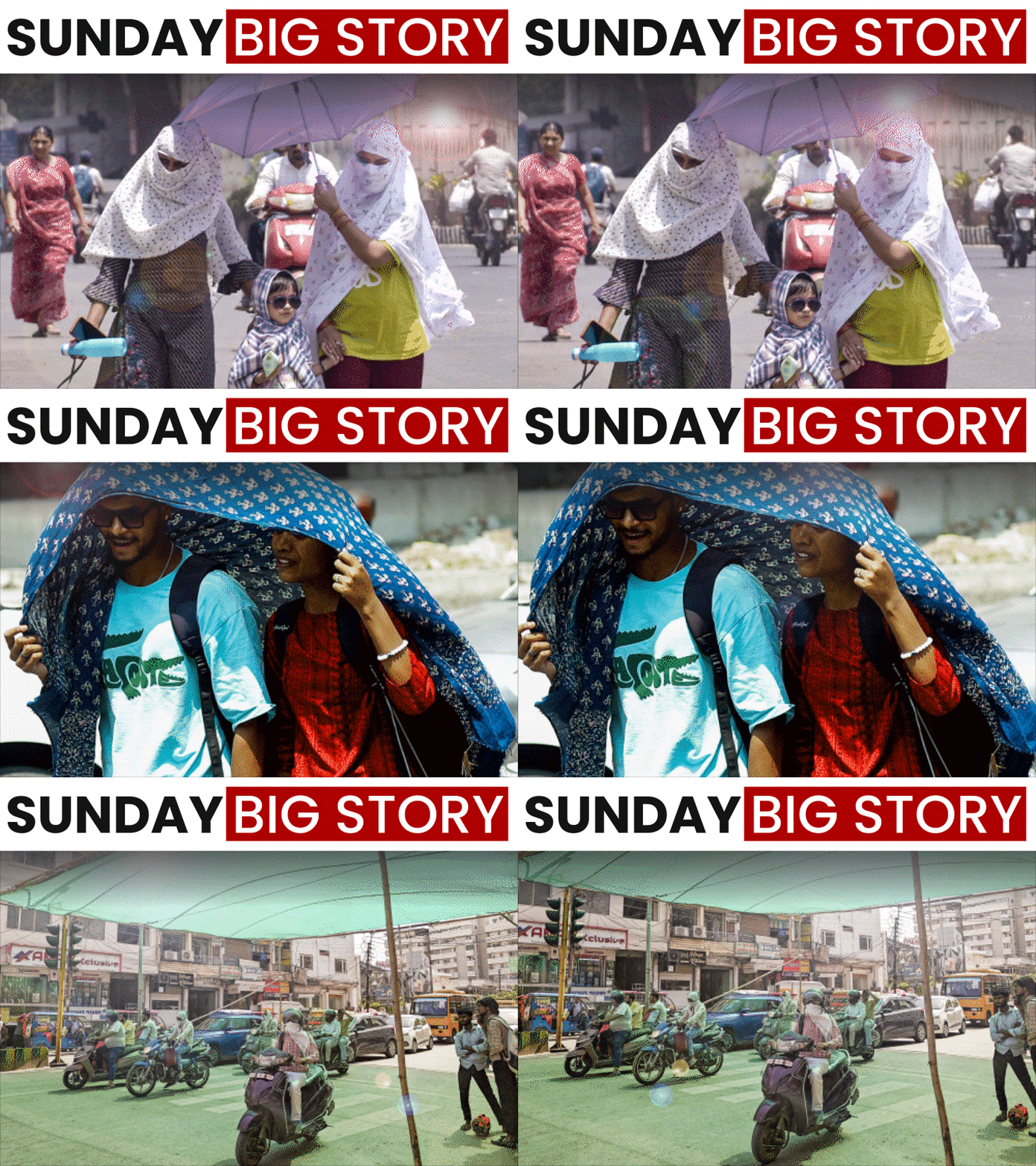
- Impact on Vulnerable Populations: The research emphasizes that the most vulnerable populations, including the elderly and those with pre-existing health conditions, are at a higher risk of heat-related illnesses.
- Economic Consequences: Agriculture, which is a major part of Gujarat’s economy, is likely to suffer due to increased temperatures and erratic weather patterns, affecting crop yields and food security.
Understanding Heatwaves
Heatwaves are defined as prolonged periods of excessively hot weather, which may be accompanied by high humidity. In India, heatwaves are particularly common during the pre-monsoon season, which typically spans from March to June. The Indian Meteorological Department (IMD) classifies heatwaves based on specific temperature thresholds, which vary by region.
Causes of Heatwaves
Several factors contribute to the occurrence of heatwaves, including:
- Climate Change: Global warming is a significant driver of increasing temperatures, leading to more frequent and intense heatwaves.
- Urbanization: Rapid urban development can create “urban heat islands,” where cities experience higher temperatures than surrounding rural areas due to human activities and infrastructure.
- Deforestation: The loss of trees and vegetation reduces the natural cooling effect they provide, exacerbating heat conditions.
Impacts of Heatwaves in Gujarat
The implications of rising heatwave occurrences in Gujarat are multifaceted and can affect various sectors:
Public Health
Heatwaves pose a significant risk to public health, leading to:
- Increased cases of heat exhaustion and heatstroke.
- Worsening of chronic health conditions, such as cardiovascular and respiratory diseases.
- Higher mortality rates during extreme heat events, particularly among vulnerable populations.
Agriculture
The agricultural sector is particularly vulnerable to climate change and heatwaves, resulting in:
- Reduced crop yields due to heat stress on plants.
- Increased water demand for irrigation, exacerbating water scarcity issues.
- Shifts in planting and harvesting seasons, which can disrupt traditional farming practices.
Economic Impact
As heatwaves become more frequent, the economic consequences for Gujarat could be severe:
- Increased healthcare costs due to heat-related illnesses.
- Loss of productivity in outdoor labor sectors, including agriculture and construction.
- Potential declines in tourism, as extreme heat may deter visitors.
Mitigation Strategies
Addressing the challenges posed by rising heatwave patterns requires a multi-faceted approach:
Policy and Planning
Government policies must prioritize climate resilience by:
- Implementing heat action plans to protect vulnerable populations.
- Investing in climate-resilient infrastructure, such as green roofs and urban parks.
- Promoting sustainable agricultural practices to reduce dependency on water and improve crop resilience.
Public Awareness and Education
Raising awareness about the dangers of heatwaves is crucial. This can be achieved through:
- Community outreach programs educating residents on heat safety and preparedness.
- Training healthcare professionals to recognize and treat heat-related illnesses.
- Encouraging local governments to establish cooling centers for vulnerable populations during extreme heat events.
Conclusion
The alarming rise in heatwaves as reported by the IIT Gandhinagar study underscores the urgent need for action to combat climate change and its effects in Gujarat. By implementing effective strategies and promoting awareness, the state can better prepare for the challenges posed by this new heatwave pattern.
Note: The information presented in this article is based on research findings and aims to raise awareness about the impact of climate change on heatwave patterns in Gujarat.