Heatwaves in the Indo-Gangetic Plains: Why Local Land and Atmospheric Conditions Matter More Than We Thought
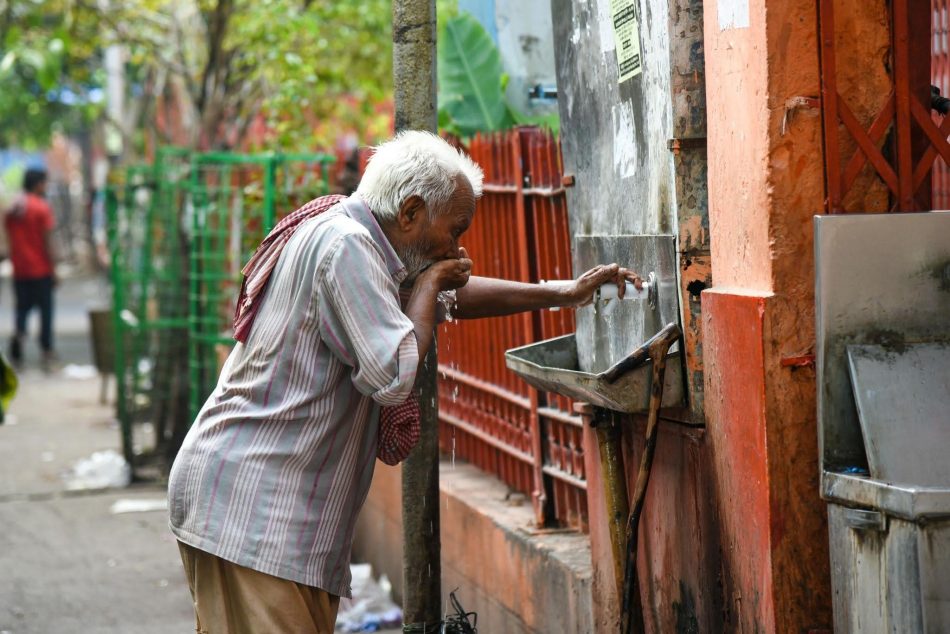
Heatwaves in the Indo-Gangetic Plains (IGP), which is home to approximately 600 million people, are becoming increasingly severe. These extreme weather events pose a significant threat to health and livelihoods, with rising temperatures leading to serious health hazards and fatalities each year. Recent research from the Indian Institute of Technology Bombay (IIT Bombay) has revealed that the causes of these heatwaves are more localized than previously thought, challenging the long-held belief that hot air from distant regions is primarily responsible.
The Shift in Understanding Heatwaves
Traditionally, forecasts of heatwaves in the IGP focused on the transport of hot air from northwestern regions. However, the study led by Manali Saha, a PhD scholar at IIT Bombay, emphasizes the importance of local land and atmospheric conditions in predicting heatwave occurrences. This new perspective suggests that monitoring local factors can lead to more accurate and location-specific early warnings, rather than relying solely on broad regional forecasts.
The Role of Anticyclones
Anticyclones, which are large-scale high-pressure systems, play a critical role in the formation of heatwaves. These systems can span hundreds of kilometers and are influenced by broader atmospheric circulation patterns, including ocean temperatures. While researchers previously believed that anticyclones transported warm air into the IGP, the new findings indicate that they create conditions conducive to heatwaves by allowing warm air to sink and suppressing cloud formation.
How Anticyclones Influence Heatwaves
The presence of anticyclones during pre-monsoon heat events establishes a favorable environment for heat accumulation. However, the study highlights that the interaction of local land and atmospheric conditions within these high-pressure systems is crucial in determining whether a heatwave will occur. The research analyzed ten significant pre-monsoon heatwave episodes since 2010, utilizing a heat-budget approach and atmospheric reanalysis data to understand temperature changes.
Local Factors Driving Heatwaves
The researchers identified two primary local processes that significantly influence the formation of heatwaves: surface heating and air compression. Additionally, factors such as humidity and soil moisture play a vital role in determining the characteristics of the heatwave.
Moist and Dry Heatwaves
The study categorizes heatwaves into two distinct types: moist and dry. Each type is influenced by different local conditions:
- Moist Heatwaves: These occur in regions that have experienced pre-monsoon showers. The presence of moisture in the soil and increased evaporation leads to cloud formation, which can trap heat at night. As an anticyclone forms, the land contributes additional heat to the air.
- Dry Heatwaves: In contrast, dry heatwaves develop in areas with dry soils and clear skies. Surface heating is the dominant factor in these cases.
The Health Implications of Heatwaves
Both moist and dry heatwaves pose serious health risks. Moist heatwaves are particularly dangerous because high humidity reduces the body’s ability to cool itself through sweating. Dry heatwaves, on the other hand, tend to last longer and can affect larger areas, leading to increased mortality rates. Currently, the India Meteorological Department (IMD) defines heatwaves primarily based on temperature, without distinguishing between moist and dry types. This oversight can hinder effective early warning systems.
Improving Early Warning Systems
Given that local conditions are critical in predicting heatwaves, the research team from IIT Bombay has identified several local precursors that could improve forecasting:
- Monitoring how the land heats up.
- Analyzing patterns of pre-monsoon rainfall.
- Assessing humidity levels near the surface.
- Evaluating air dryness.
- Observing cloud formation at night.
Future Directions for Forecasting
By closely monitoring these local signals, forecasters can enhance early warning systems and provide more accurate, location-specific alerts. Professor Karthikeyan Lanka, an associate professor at IIT Bombay, emphasizes the importance of tracking deviations from normal conditions once an anticyclonic system is established. This approach could significantly improve the prediction of heatwave conditions in the days that follow.
Conclusion
The research from IIT Bombay underscores the necessity of understanding local land and atmospheric conditions in predicting heatwaves in the Indo-Gangetic Plains. By shifting the focus from broad regional forecasts to localized monitoring, it is possible to develop more effective early warning systems that can save lives and mitigate the impacts of extreme heat events.
Note: The findings discussed in this article are based on recent research and highlight the importance of localized studies in understanding climate phenomena.