Hey Chat, Make Me a Fake ID
In recent years, the rise of artificial intelligence (AI) has brought about significant advancements in technology, including the creation of deepfakes. These AI-generated images and videos are becoming increasingly sophisticated, raising concerns about their potential for misuse, particularly in the realm of fraud.
The Emergence of Deepfake Technology
Deepfake technology utilizes AI algorithms to create hyperrealistic images and videos that can depict people doing or saying things they never actually did. This technology has been popularized through various social media platforms, where users share manipulated content for entertainment. However, the implications of deepfake technology extend far beyond harmless fun.
AI Tools and Their Capabilities
One of the most notable advancements in AI image generation is OpenAI’s ChatGPT Images 2.0. Released recently, this tool is capable of producing photorealistic visuals that are alarmingly convincing. Unlike its predecessors, this model excels at generating images containing text, which has long been a challenge for image models.
Examples of Generated Content
Using ChatGPT Images 2.0, users can create a wide array of fraudulent images, including:
- Fake health documents (doctor’s notes, vaccination cards)
- Forged financial materials (invoices, receipts, tax forms)
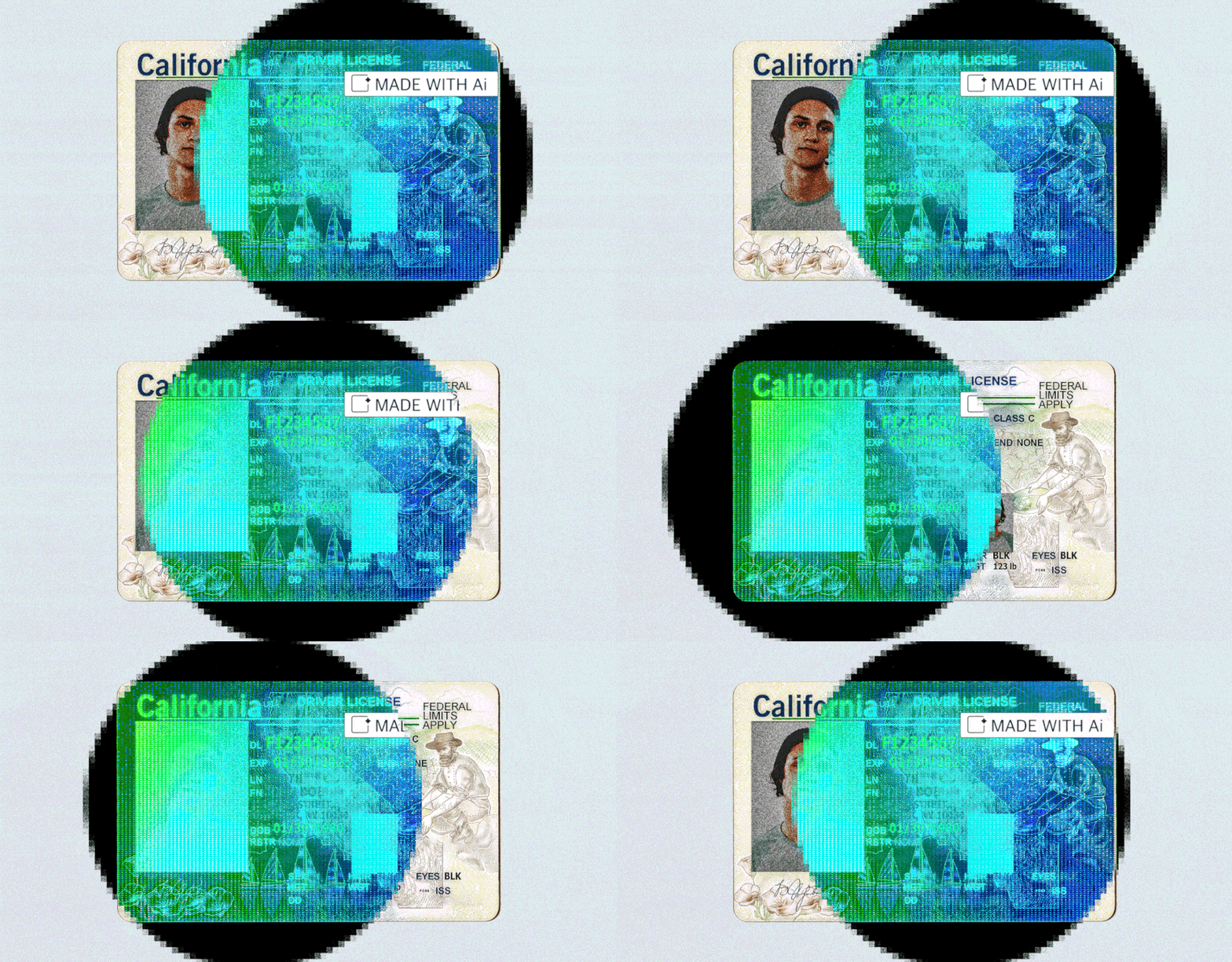
- Fake IDs and passports
- Fraudulent screenshots (bank alerts, wire transfer confirmations)
These images can be highly persuasive, often featuring fully legible text and realistic shading that enhances their credibility.
The Risks of Deepfakes in Fraud
As the technology becomes more accessible, the potential for abuse increases. Scammers can leverage deepfake technology to create convincing fake documents that could deceive unsuspecting individuals or organizations. For instance, a fraudster might send a fake Uber receipt alongside a phishing link, tricking the recipient into revealing sensitive information.
Real-World Implications
The FBI has reported a significant rise in internet crimes, with AI scams costing Americans nearly $1 billion last year. These scams range from expense-reimbursement fraud to impersonation schemes where scammers pose as fake lawyers using forged documents. The versatility of deepfake technology means that the possibilities for fraud are limited only by the imagination of the fraudster.
Challenges in Detection
Detecting deepfakes and fraudulent images poses a significant challenge for banks, hospitals, and government agencies. While OpenAI has implemented safety measures to prevent the misuse of its technology, these measures are not foolproof. For instance, the metadata embedded in AI-generated images can be easily removed, making it difficult to trace the origin of a fraudulent image.
Industry Responses
In response to the growing threat of deepfakes, companies like Google are working on solutions to identify and mitigate the impact of AI-generated fraud. Google’s tools include imperceptible watermarks and detection systems like SynthID, which can help identify AI-generated images. However, the effectiveness of these tools relies on widespread adoption and the willingness of individuals to utilize them.
The Future of Deepfake Technology
As deepfake technology continues to evolve, it is crucial for individuals and organizations to remain vigilant. Awareness of the potential for misuse and the ability to critically evaluate the authenticity of images and videos is essential in combating the rise of AI-generated fraud.
Best Practices for Prevention
To protect against the risks associated with deepfakes, consider the following best practices:
- Verify the source of any suspicious images or documents.
- Utilize detection tools when available to assess the authenticity of images.
- Educate yourself and others about the capabilities and risks of deepfake technology.
- Report any suspected fraud to the appropriate authorities.
Conclusion
Deepfake technology presents both exciting possibilities and significant risks. As AI continues to advance, it is imperative for society to address the challenges posed by fraudulent uses of this technology. By staying informed and adopting preventive measures, we can mitigate the impact of deepfakes on our lives.
Note: This article is intended to raise awareness about the potential misuse of deepfake technology and does not endorse or promote any illegal activities.