Hundreds of Fake Pro-Trump Avatars Emerge on Social Media
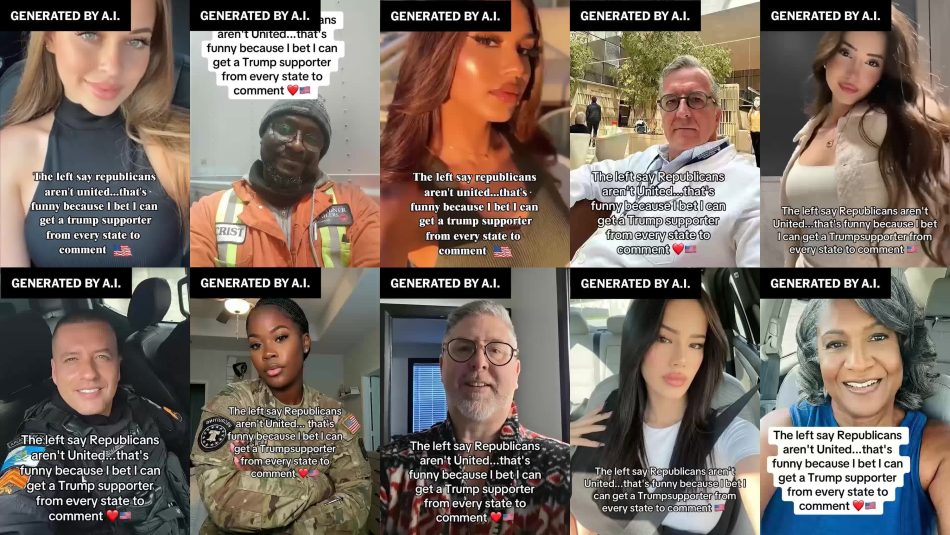
In recent months, social media platforms have witnessed a surge in the creation of fake avatars supporting former President Donald Trump. These digital personas, often indistinguishable from real users, are raising concerns about the integrity of online discourse and the potential for misinformation.
The Rise of Fake Avatars
As the 2024 presidential election approaches, the political landscape has become increasingly polarized. Social media has emerged as a battleground for political opinions, with various factions vying for influence. The emergence of fake pro-Trump avatars is a notable development in this ongoing struggle.
These avatars are typically created using AI-generated images or stock photos, making them appear genuine. They often engage in discussions, share content, and amplify pro-Trump narratives, contributing to a distorted perception of public support for the former president.
How Fake Avatars Operate
Fake avatars operate in several ways:
- Automated Posting: Many of these accounts use bots to automate posting and interaction, allowing them to flood social media feeds with pro-Trump content.
- Engagement Manipulation: By liking, sharing, and commenting on posts, these avatars create an illusion of widespread support, influencing real users’ perceptions.
- Content Creation: Some accounts generate original content that aligns with pro-Trump narratives, further spreading misinformation.
The Impact on Political Discourse
The proliferation of fake avatars has significant implications for political discourse. The presence of these accounts can:
- Skew Public Perception: Real users may be misled into believing that there is a larger base of support for Trump than actually exists, which can affect their own opinions and voting behavior.
- Polarize Discussions: The aggressive promotion of pro-Trump content can drown out opposing viewpoints, leading to a more divided online environment.
- Spread Misinformation: Fake avatars often share false information, further complicating the already challenging landscape of political communication.
Identifying Fake Avatars
Recognizing fake avatars can be challenging, but there are several indicators that can help users identify them:
- Profile Analysis: Many fake accounts have incomplete profiles, lack personal information, or use generic usernames.
- Content Patterns: Accounts that post excessively or share similar content repeatedly may be automated bots rather than real users.
- Engagement Metrics: Fake accounts often have a high number of followers but low engagement rates on their posts, indicating they may not be genuine users.
Social Media Platforms’ Response
In response to the growing concern over fake avatars, social media companies have begun implementing measures to combat misinformation and improve the authenticity of user accounts. Some of these measures include:
- Enhanced Verification Processes: Platforms are increasing the scrutiny of accounts, particularly those that exhibit suspicious behavior.
- AI Detection Tools: Companies are investing in artificial intelligence tools to identify and remove fake accounts more efficiently.
- User Education: Social media platforms are launching campaigns to educate users about the dangers of misinformation and how to identify fake accounts.
The Role of Users in Combatting Misinformation
While social media platforms play a crucial role in addressing the issue of fake avatars, users also have a responsibility to contribute to a healthier online discourse. Here are some ways users can help:
- Verify Information: Before sharing content, users should verify its authenticity through reputable sources.
- Report Suspicious Accounts: If users suspect an account is fake, they should report it to the platform for investigation.
- Engage Thoughtfully: Users should strive to engage in respectful discussions and consider diverse viewpoints rather than contributing to polarization.
Conclusion
The emergence of fake pro-Trump avatars on social media is a troubling development that highlights the challenges of maintaining authentic political discourse in the digital age. As users, it is essential to remain vigilant and proactive in identifying misinformation and supporting genuine conversations. By working together, we can help ensure that social media remains a platform for constructive dialogue rather than a breeding ground for deception.
Note: The information in this article is based on current events and trends as of October 2023. The situation may evolve as new developments arise in the political and social media landscapes.