IIM Liable for GST TDS: AAR Rules Statutory Bodies Set Up by Parliament Must Deduct Tax
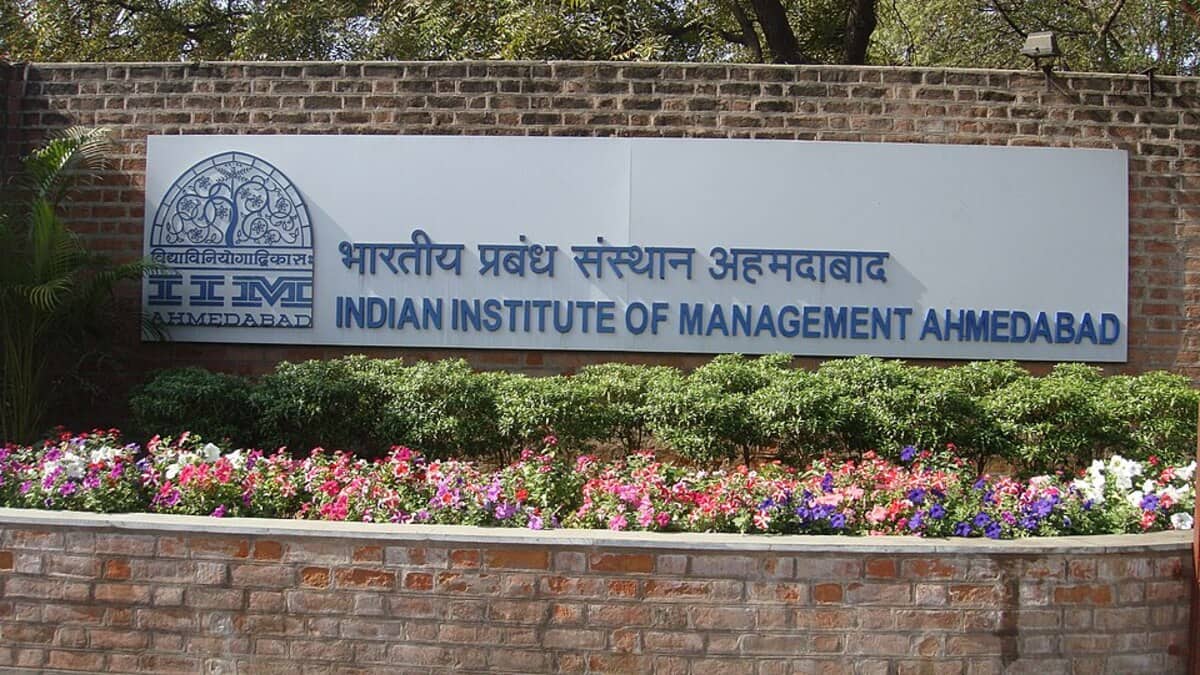
The Indian Institute of Management Ahmedabad (IIMA), a prominent institution of national importance established under the Indian Institutes of Management Act, 2017, recently sought clarification from the Authority for Advance Ruling (AAR) regarding its obligations under the Goods and Services Tax (GST) regime. Specifically, IIMA inquired about its liability to deduct Tax Deduction at Source (TDS) under Section 51 of the Central Goods and Services Tax (CGST) Act.
Background of the Inquiry
IIMA approached the AAR to determine whether it qualifies as a “specified person” under Notification No. 50/2018-Central Tax. This inquiry arose due to the institution’s unique status, as it does not possess 51% or more government equity or control. IIMA highlighted a conflict between a 2018 circular issued by the Central Board of Indirect Taxes and Customs (CBIC) and a 2023 Supreme Court judgment in the Shapoorji Pallonji case, which interpreted similar terminology differently in the context of statutory bodies.
Main Issues Addressed
The key issues presented to the AAR were as follows:
- Whether IIMA, as an institution established by an Act of Parliament, qualifies as a “specified person” under Section 51 of the CGST Act and is therefore required to deduct TDS from payments made to suppliers.
- How the INR 2,50,000 threshold for TDS should be calculated for contracts that involve multiple invoices.
AAR’s Ruling
In its ruling, the AAR determined that IIMA is indeed classified as a “specified person” liable to deduct TDS under GST. The Authority based its conclusion on the precedent set by the Shapoorji Pallonji case, which clarified that the requirement of “51% or more participation by way of equity or control” applies solely to entities “established by any government” and not to those “set up by an Act of Parliament.”
Clarification on the TDS Requirement
Since IIMA was established by an Act of Parliament, it falls under the first category of Notification No. 50/2018-CT. As a result, the AAR confirmed that IIMA is required to deduct TDS.
Threshold Calculation for TDS
Regarding the second issue, the AAR clarified that the INR 2.5 lakh threshold must be assessed based on the total value of supply under each individual contract, excluding GST. If a single contract exceeds this threshold, TDS must be deducted, even if the individual invoices issued under that contract are for smaller amounts.
Implications of the Ruling
This ruling has significant implications for statutory bodies set up by Parliament. It clarifies that such institutions are indeed required to comply with TDS obligations under the GST framework. This decision aligns with the Supreme Court’s interpretation, reinforcing the need for statutory bodies to adhere to tax regulations similar to other entities.
Conclusion
The AAR’s ruling provides much-needed clarity on the obligations of institutions like IIMA regarding TDS under GST. It emphasizes the importance of understanding the legal framework governing statutory bodies and their responsibilities in tax compliance.
Further Developments
As the landscape of GST continues to evolve, it is crucial for institutions and stakeholders to stay informed about updates and interpretations that may affect their tax obligations. The ruling by the AAR serves as a reminder of the need for ongoing education and adaptation in the face of changing regulations.
Note: This article is intended for informational purposes only and does not constitute legal advice. For specific inquiries, please consult a qualified tax professional or legal advisor.