IIT Bhubaneswar Awarded for Satellite-Based Bauxite Exploration Technology
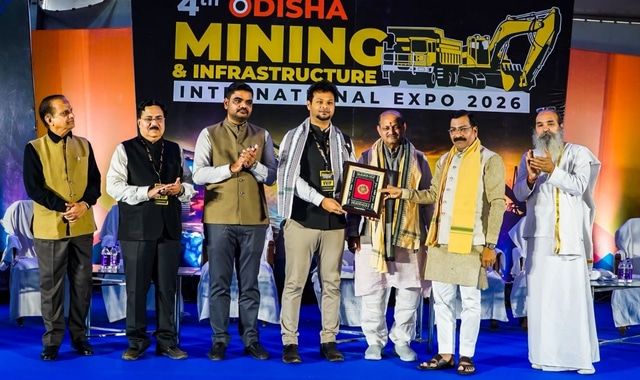
On January 14, 2026, Dr. Ashim Sattar, an Assistant Professor at the Indian Institute of Technology (IIT) Bhubaneswar, received recognition for his groundbreaking work in developing satellite-based technology for bauxite prospecting and exploration in Odisha. This achievement was celebrated at the 4th Odisha Mining and Infrastructure International Conference 2026, which was attended by Shri Sampad Swain, the Industries and Skill Development Minister of the Government of Odisha.
Significance of the Research
Dr. Sattar and his research team successfully identified potential bauxite deposits in the Koraput and Rayagada districts of Odisha using advanced hyperspectral satellite remote sensing techniques. Their work, which was published in the Journal of Geochemical Exploration, marks a significant milestone as it represents the first large-scale remote sensing-based assessment of bauxite zones in the state.
Understanding Bauxite and Its Importance
Bauxite is the primary ore of aluminium, which is essential in various industries, including:
- Aerospace
- Construction
- Packaging
With global aluminium supply projected to face a shortfall by 2030, ensuring a stable domestic supply of bauxite has become a strategic priority for India. Odisha is particularly significant in this context, as it is home to an estimated 2.3 billion tonnes of bauxite reserves, accounting for over 50% of India’s total bauxite resources.
Challenges in Bauxite Exploration
Despite its vast reserves, Odisha faces challenges in bauxite exploration due to the difficult terrains of the Eastern Ghats, where much of the mineral is located. Traditional exploration methods can be time-consuming, costly, and environmentally damaging. Therefore, innovative approaches are necessary to optimize resource extraction while minimizing environmental impacts.
Innovative Methodology
The research team at IIT Bhubaneswar employed a combination of advanced techniques to develop a robust framework for mapping bauxite deposits:
- Hyperspectral Satellite Data: This technology allows for the detection of specific minerals based on their spectral signatures.
- Field Surveys: Ground verification of satellite data was conducted to ensure accuracy.
- Geochemical Assessments: Chemical analysis of soil and rock samples helped in confirming the presence of bauxite.
- Petrographic Studies: These studies provided insights into the mineral composition of the deposits.
- Laboratory Spectral Studies: Further analysis in controlled environments helped refine the identification process.
This comprehensive approach has resulted in a cost-effective, rapid, and eco-friendly method for detecting bauxite-bearing zones, which is expected to significantly benefit the mining industry and policymakers.
Implications for the Mining Industry
The findings from this research are anticipated to have far-reaching implications for the mining sector in Odisha:
- Resource Optimization: By identifying exploration zones more effectively, resources can be allocated more efficiently.
- Minimizing Environmental Impact: The eco-friendly approach reduces the ecological footprint of mining activities.
- Supporting Policy Decisions: The data generated can assist policymakers in making informed decisions regarding mineral resource management.
Ultimately, this initiative lays the groundwork for next-generation mineral mapping and sustainable resource management in Odisha, reinforcing India’s efforts to secure critical raw materials for future industrial growth.
Future Prospects
The successful application of satellite-based technology for bauxite exploration opens new avenues for mineral exploration in India. As the demand for aluminium continues to rise, the ability to efficiently locate and extract bauxite will be crucial for meeting both domestic and international needs.
Furthermore, the methodologies developed by Dr. Sattar and his team can be adapted for exploring other minerals, enhancing the overall mineral exploration landscape in India.
Conclusion
The recognition of IIT Bhubaneswar’s innovative approach to bauxite exploration underscores the importance of integrating technology in natural resource management. As India strives to bolster its industrial capabilities, initiatives like these will play a vital role in ensuring sustainable development and resource security.
Note: This article is based on information available as of January 2026 and may be subject to change as new developments occur.