
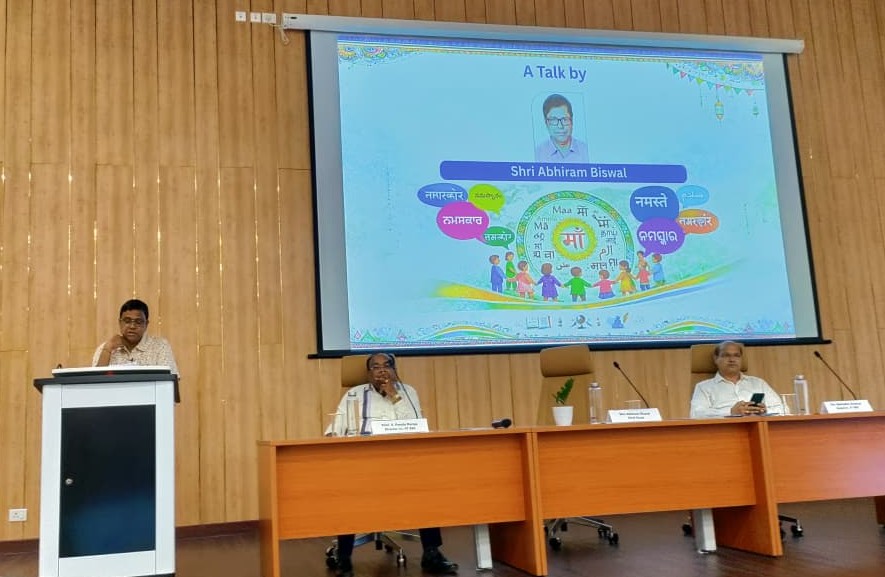
IIT Bhubaneswar celebrates International Mother Language Day
Introduction
International Mother Language Day is celebrated annually on February 21st to promote linguistic and cultural diversity and multilingualism. The day was first proclaimed by UNESCO in 1999 and has since been observed worldwide. In 2023, the Indian Institute of Technology (IIT) Bhubaneswar organized a series of events to commemorate this significant occasion, emphasizing the importance of mother languages in education and society.
Significance of Mother Languages
Mother languages are the first languages learned by individuals and play a crucial role in shaping their identity and cultural heritage. They serve as a medium of communication, a vehicle for expressing thoughts and emotions, and a means of transmitting knowledge across generations. The preservation and promotion of mother languages are essential for fostering inclusivity and understanding in a diverse society.
According to UNESCO, linguistic diversity is a key factor in promoting cultural diversity. The organization emphasizes that when languages are protected, the culture and identity of the speakers are also safeguarded. This is particularly relevant in a country like India, which is home to hundreds of languages and dialects.
Events Organized at IIT Bhubaneswar
This year, IIT Bhubaneswar organized a range of activities to celebrate International Mother Language Day. The events aimed to raise awareness about the significance of mother languages and encourage students and faculty to engage with their linguistic heritage.
Workshops and Seminars
One of the highlights of the celebration was a series of workshops and seminars featuring prominent linguists and educators. These sessions focused on various topics, including:
- The role of mother languages in education
- Strategies for preserving endangered languages
- The impact of globalization on linguistic diversity
- Language and identity in multicultural societies
Participants had the opportunity to engage in discussions, share experiences, and learn about the importance of nurturing their mother languages.
Cultural Performances
The celebration also included cultural performances showcasing the richness of various Indian languages. Students presented traditional songs, dances, and poetry in their mother languages, creating an atmosphere of joy and unity. This not only highlighted the beauty of linguistic diversity but also encouraged participants to appreciate and respect different cultures.
Art and Language Exhibition
An art and language exhibition was organized, featuring artworks that represented different languages and cultures. Students displayed their creativity through paintings, calligraphy, and sculptures that depicted themes related to language and identity. This exhibition served as a visual reminder of the importance of preserving linguistic heritage.
Impact on Students and Community
The events at IIT Bhubaneswar had a profound impact on both students and the local community. Many participants expressed a renewed appreciation for their mother languages and a commitment to promoting linguistic diversity.
Students reported feeling more connected to their cultural roots and were inspired to engage in activities that support the preservation of their languages. The celebration also fostered a sense of community among participants, as they shared their experiences and stories related to their linguistic backgrounds.
Encouraging Multilingualism
One of the key messages of the celebration was the importance of multilingualism. In today’s globalized world, being multilingual is an asset that enhances communication and understanding among people from different backgrounds. IIT Bhubaneswar emphasized the need for educational institutions to incorporate mother languages into their curricula, promoting a more inclusive and effective learning environment.
Conclusion
The celebration of International Mother Language Day at IIT Bhubaneswar served as a powerful reminder of the importance of linguistic diversity and cultural heritage. By organizing workshops, cultural performances, and exhibitions, the institute not only raised awareness about the significance of mother languages but also fostered a sense of community and belonging among participants.
As we move forward, it is essential to continue advocating for the preservation and promotion of mother languages. Educational institutions, governments, and communities must work together to ensure that linguistic diversity is celebrated and protected for future generations.


