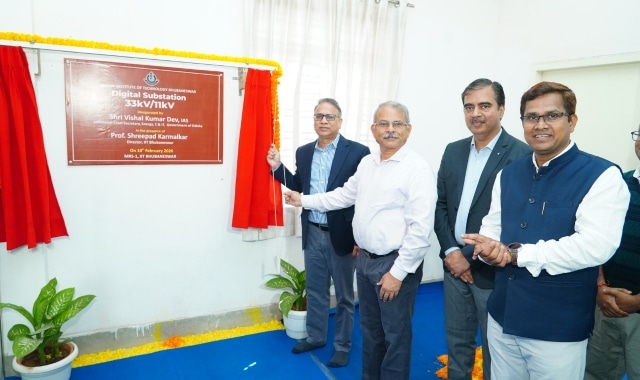
IIT Bhubaneswar Develops Digital Power Substation; Details Below
The Indian Institute of Technology (IIT) Bhubaneswar has made a significant advancement in the field of electrical engineering by developing a state-of-the-art digital power substation. This innovative project aims to enhance the efficiency and reliability of power distribution systems across the country. In this article, we will delve into the details of this development, its implications for the energy sector, and the technology behind it.
Overview of the Digital Power Substation
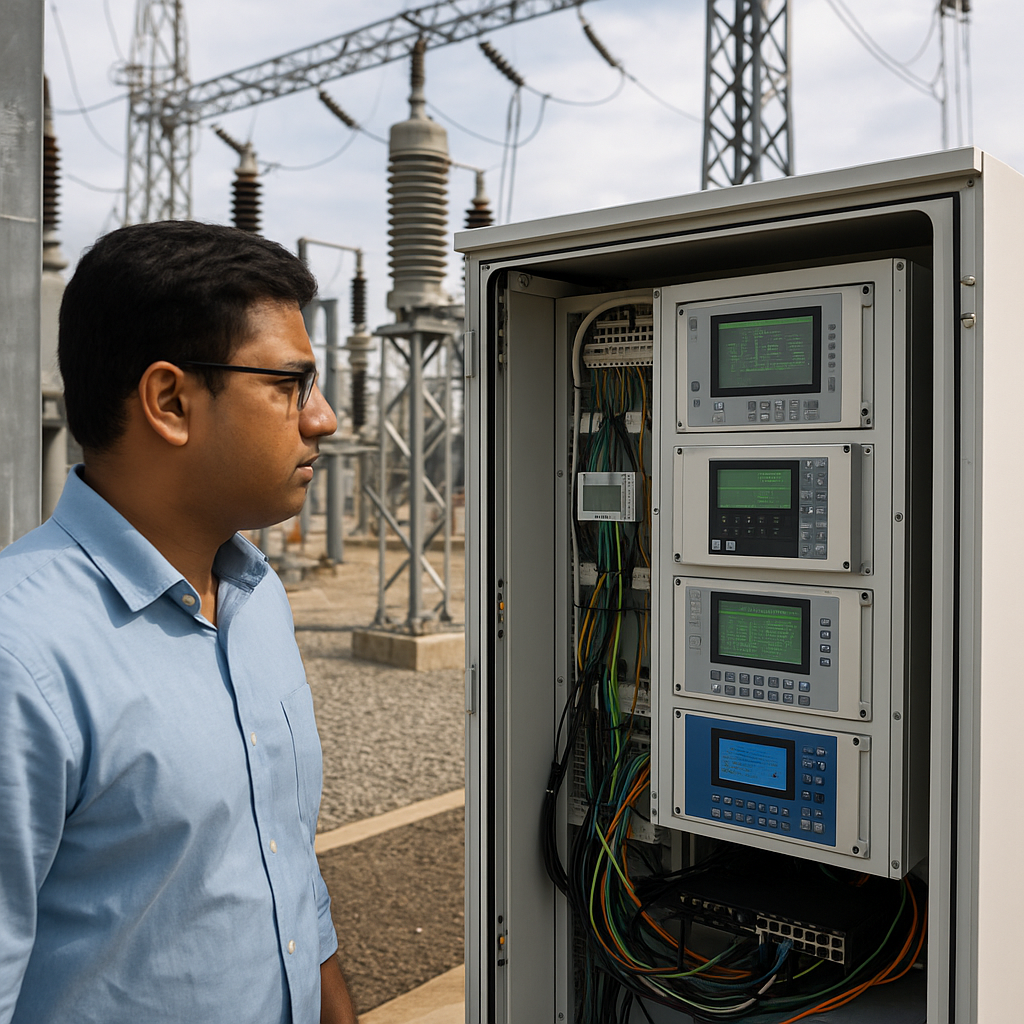
The digital power substation is designed to facilitate real-time monitoring and control of electrical systems. Unlike traditional substations, which rely heavily on analog technology, this digital substation utilizes advanced digital communication and automation technologies. This transformation is crucial for modernizing the electrical grid and making it more responsive to the demands of consumers.
Key Features
- Real-time Data Monitoring: The substation is equipped with sensors that continuously monitor various parameters such as voltage, current, and frequency. This data is transmitted in real-time to a central control system, allowing for immediate analysis and response.
- Enhanced Reliability: By employing digital technology, the substation minimizes the risks of outages and equipment failures. Predictive maintenance can be conducted based on data analytics, ensuring that any potential issues are addressed before they escalate.
- Improved Efficiency: The digital substation optimizes the flow of electricity, reducing losses during transmission. This efficiency not only benefits utility companies but also leads to lower electricity costs for consumers.
- Integration with Renewable Energy Sources: The digital infrastructure supports the integration of renewable energy sources, such as solar and wind, into the power grid. This is essential for promoting sustainable energy practices and reducing carbon footprints.
- Cybersecurity Measures: With the increasing reliance on digital systems, cybersecurity is a top priority. The substation incorporates robust security protocols to protect against potential cyber threats.
Technological Innovations
The development of the digital power substation at IIT Bhubaneswar leverages several cutting-edge technologies:
- Advanced Metering Infrastructure (AMI): AMI enables two-way communication between utilities and consumers, providing detailed insights into energy consumption patterns.
- Smart Grid Technology: The integration of smart grid technology allows for better demand response and load management, enhancing the overall stability of the power grid.
- Internet of Things (IoT): IoT devices play a crucial role in data collection and transmission, enabling seamless communication between various components of the substation.
- Artificial Intelligence (AI): AI algorithms analyze data from the substation to predict potential failures and optimize operations, ensuring a more resilient power supply.
Impact on the Energy Sector
The introduction of digital substations is set to revolutionize the energy sector in India. Here are some of the anticipated impacts:
- Increased Operational Efficiency: Utilities can operate more efficiently, reducing operational costs and improving service delivery.
- Enhanced Consumer Experience: Consumers will benefit from more reliable power supply and better service, including the ability to monitor their energy usage in real-time.
- Support for Smart Cities: As cities evolve into smart cities, the digital power substation will play a vital role in supporting the infrastructure needed for smart energy management.
- Promotion of Renewable Energy: The ability to integrate renewable energy sources will help India meet its sustainability goals and reduce dependence on fossil fuels.
Future Prospects
The successful development of the digital power substation at IIT Bhubaneswar opens up new avenues for research and innovation in the field of electrical engineering. Future projects may focus on:
- Expanding the digital substation model to rural areas, ensuring that even remote regions have access to reliable power.
- Collaborating with other IITs and research institutions to enhance the technology further and explore new applications.
- Implementing pilot projects to test the scalability of digital substations in different geographical and climatic conditions.
Conclusion
The development of the digital power substation by IIT Bhubaneswar marks a significant milestone in the modernization of India’s power infrastructure. By embracing digital technology, the energy sector can enhance efficiency, reliability, and sustainability. As the country moves towards a more digital future, such innovations will play a critical role in shaping the landscape of energy distribution and consumption.
Note: The information presented in this article is based on the latest developments in the field of electrical engineering as of October 2023. For further updates, please refer to official sources and publications.