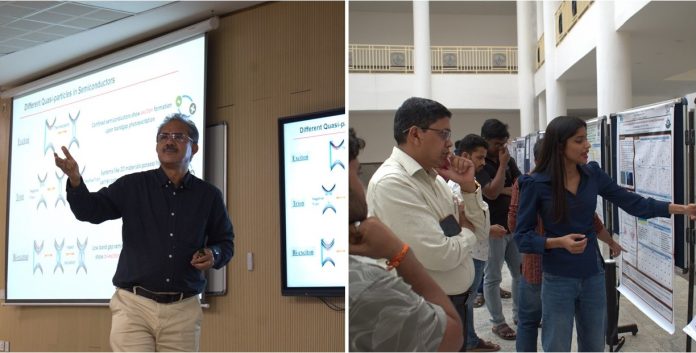
IIT Bhubaneswar to Power India’s First Commercial Compound Semiconductor Fab
India is on the brink of a significant technological advancement with the establishment of its first commercial compound semiconductor fabrication facility (fab) at the Indian Institute of Technology (IIT) Bhubaneswar. This initiative is expected to bolster the country’s semiconductor manufacturing capabilities, which are crucial for various high-tech industries.
Understanding Compound Semiconductors
Compound semiconductors are materials made from two or more elements, as opposed to traditional silicon-based semiconductors. They have unique properties that make them suitable for specific applications, including:
- High Efficiency: Compound semiconductors can operate at higher frequencies and temperatures, making them ideal for high-performance electronics.
- Optoelectronic Applications: They are widely used in light-emitting diodes (LEDs), laser diodes, and solar cells.
- Radio Frequency Applications: These materials are essential in the production of devices used in telecommunications and radar systems.
The Need for a Semiconductor Fab in India
The global semiconductor industry has seen exponential growth, driven by the increasing demand for electronic devices, electric vehicles, and advanced communication systems. India, with its burgeoning tech sector, has recognized the need to establish a robust semiconductor manufacturing ecosystem. Currently, the country relies heavily on imports for its semiconductor needs, which poses risks to its technological independence and economic stability.
The establishment of a compound semiconductor fab at IIT Bhubaneswar is a strategic move to address this gap. It aims to produce advanced semiconductor materials that can cater to various sectors, including:
- Consumer Electronics
- Telecommunications
- Automotive Industry
- Defense and Aerospace
Collaboration and Support
This ambitious project is backed by collaborations between IIT Bhubaneswar, the Indian government, and various industry stakeholders. The government has been actively promoting initiatives to boost semiconductor manufacturing through policies and financial incentives. The National Policy on Electronics aims to create a conducive environment for the development of a semiconductor ecosystem in the country.
Additionally, partnerships with leading technology companies and research institutions will ensure that the fab is equipped with state-of-the-art technology and expertise. This collaborative approach is expected to accelerate research and development in the field of compound semiconductors.
Expected Outcomes
The establishment of the compound semiconductor fab is anticipated to yield several positive outcomes, including:
- Job Creation: The fab will create numerous employment opportunities for engineers, researchers, and technicians, contributing to the local economy.
- Skill Development: The initiative will provide training and skill development programs for students and professionals, enhancing the workforce’s capabilities in semiconductor technology.
- Innovation and Research: The facility will serve as a hub for innovation, fostering research in advanced materials and semiconductor applications.
- Economic Growth: By reducing dependence on imports and promoting local manufacturing, the fab is expected to contribute to the overall economic growth of the region and the country.
Challenges Ahead
While the establishment of the compound semiconductor fab is a significant step forward, several challenges need to be addressed:
- Investment and Funding: Setting up a semiconductor fab requires substantial investment. Securing adequate funding from both public and private sectors will be crucial.
- Technology Transfer: Acquiring advanced technology and expertise from established semiconductor manufacturers will be essential for the success of the fab.
- Supply Chain Development: Building a reliable supply chain for raw materials and components is vital for the smooth operation of the fab.
- Regulatory Framework: A supportive regulatory environment is necessary to encourage investment and innovation in the semiconductor sector.
Conclusion
The establishment of India’s first commercial compound semiconductor fab at IIT Bhubaneswar marks a pivotal moment in the country’s journey towards becoming a global player in the semiconductor industry. With the right support, collaboration, and investment, India can harness the potential of compound semiconductors to drive innovation, economic growth, and technological independence.
Note: The information presented in this article is based on data available up to October 2023 and may be subject to change as the project progresses.