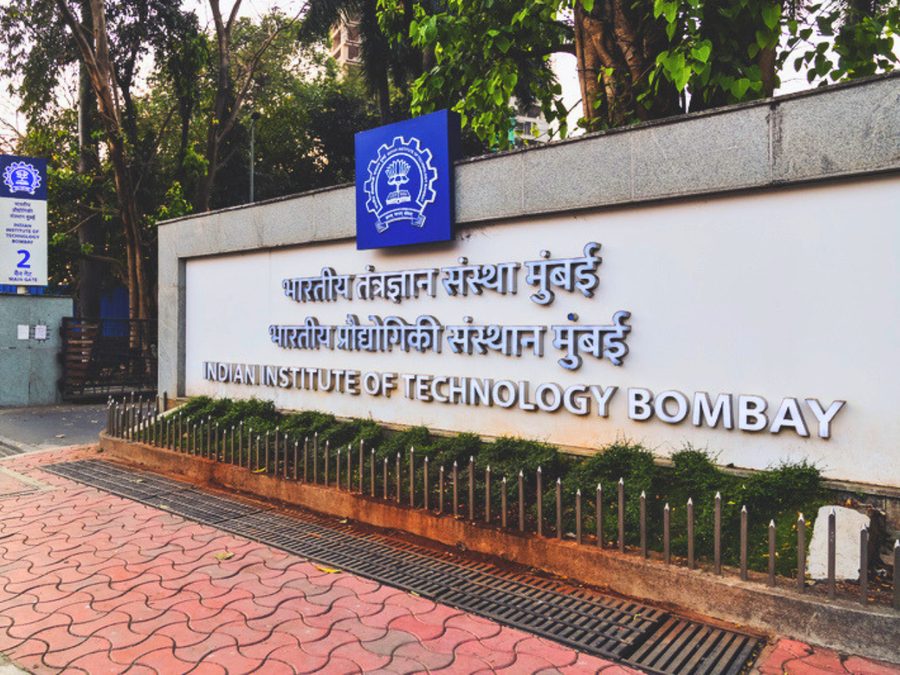
IIT Bombay Develops AI-Integrated Platform To Decode Brain Diseases
The Indian Institute of Technology (IIT) Bombay has made a significant breakthrough in the field of neuroscience by developing an artificial intelligence (AI)-integrated platform aimed at decoding brain diseases. This innovative platform is expected to enhance the understanding of various neurological disorders, paving the way for improved diagnosis and treatment options.
Background of the Research
Brain diseases, including Alzheimer’s, Parkinson’s, and multiple sclerosis, pose a significant challenge to healthcare systems worldwide. These conditions are often complex, with symptoms that can vary widely among individuals. Traditional diagnostic methods can be time-consuming and may not always provide accurate results. Recognizing the need for more efficient diagnostic tools, researchers at IIT Bombay embarked on a project to leverage AI technology.
The AI-Integrated Platform
The newly developed platform utilizes advanced machine learning algorithms to analyze vast amounts of data related to brain diseases. This includes neuroimaging data, genetic information, and clinical records. By integrating these diverse data sources, the platform aims to identify patterns and correlations that may not be evident through conventional analysis.
Key Features of the Platform
- Data Integration: The platform combines multiple data types to create a comprehensive view of brain health.
- Machine Learning Algorithms: It employs sophisticated algorithms that can learn from data and improve their accuracy over time.
- User-Friendly Interface: Designed for ease of use, the platform allows healthcare professionals to navigate and interpret data efficiently.
- Real-Time Analysis: The platform can provide real-time insights, facilitating quicker decision-making in clinical settings.
Potential Impact on Neurology
The implications of this AI-integrated platform are profound. By enhancing the ability to diagnose brain diseases accurately and quickly, the platform could lead to:
- Early Detection: Identifying diseases at an earlier stage can significantly improve treatment outcomes.
- Personalized Treatment Plans: Understanding the unique characteristics of each patient’s condition allows for tailored therapies.
- Research Advancements: The platform can facilitate research by providing insights into disease mechanisms and potential therapeutic targets.
Collaboration and Development
The development of this platform was a collaborative effort involving interdisciplinary teams at IIT Bombay. Researchers from computer science, neuroscience, and biomedical engineering worked together to create a tool that bridges the gap between technology and healthcare. This collaboration is a testament to the importance of interdisciplinary approaches in solving complex medical challenges.
Future Directions
As the platform continues to evolve, there are plans to enhance its capabilities further. Future developments may include:
- Integration with Wearable Technology: Incorporating data from wearable devices could provide continuous monitoring of brain health.
- Expansion to Other Diseases: While initially focused on specific brain diseases, the platform could be adapted to study other neurological conditions.
- Collaboration with Healthcare Institutions: Partnering with hospitals and clinics will help validate the platform’s effectiveness in real-world settings.
Conclusion
The AI-integrated platform developed by IIT Bombay represents a significant advancement in the field of neurology. By harnessing the power of artificial intelligence, this innovative tool has the potential to transform the way brain diseases are diagnosed and treated. As research continues and the platform is refined, it may lead to breakthroughs that improve the quality of life for millions affected by neurological disorders.
Note: The information presented in this article is based on current research and developments as of October 2023. Further advancements may occur as the field of AI and neuroscience evolves.