IIT Bombay Launches Pass-No-Pass Wellness Course to Tackle Student Stress
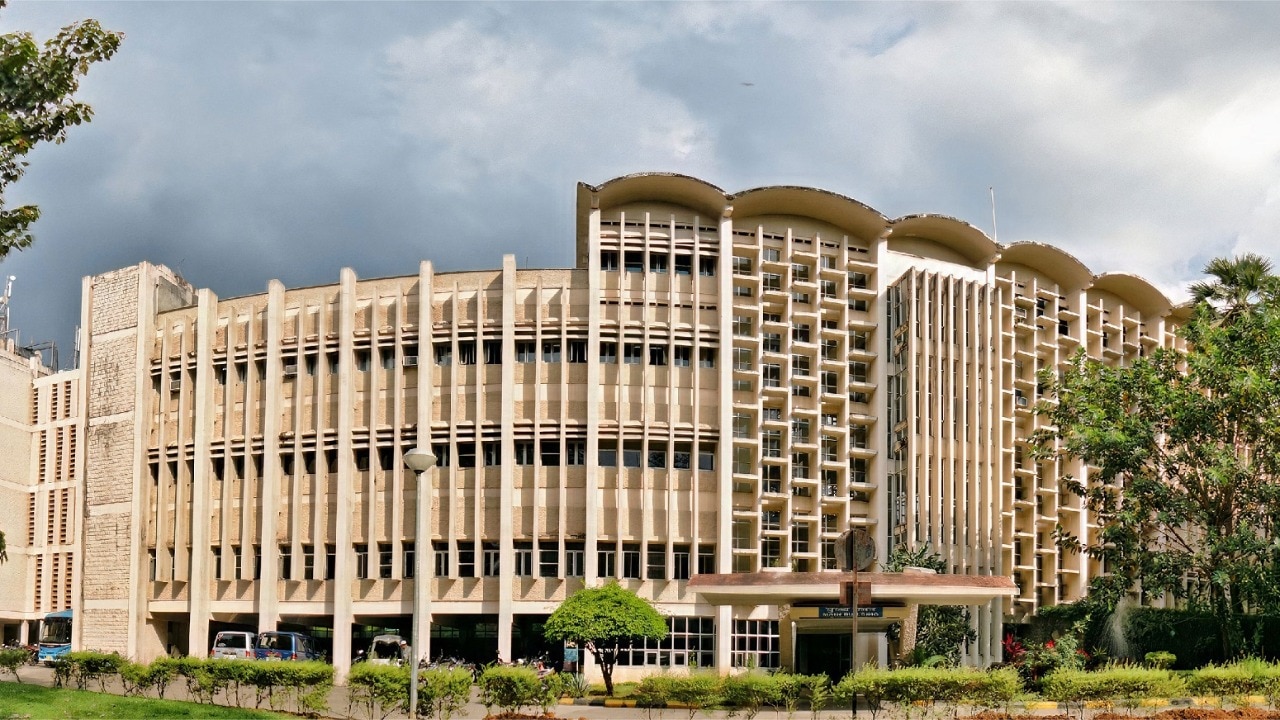
IIT Bombay has taken a significant step towards enhancing student wellbeing by introducing mandatory Pass-No-Pass (PNP) wellness workshops for first-year students, starting in August 2025. This initiative comes in response to growing concerns about academic pressure and adjustment challenges faced by students in a highly competitive environment.
Overview of the Wellness Workshops
The wellness workshops are now an integral part of the curriculum at IIT Bombay. According to the institute’s Director, Prof. Shireesh B. Kedare, students are required to attend all four workshops per semester to successfully pass the course. The workshops are designed to be engaging and non-burdensome, with no exams involved. Each workshop is scheduled approximately every three weeks, allowing students to focus on their wellbeing without the stress of traditional assessments.
Topics Covered in the Workshops
The workshops encompass a broad range of topics that are crucial for student wellbeing, including:
- Life skills
- Healthy habits
- Substance use
- Sleep patterns
- Nutrition
- Relationships
- Basic mental health
The first semester of workshops primarily focuses on foundational wellbeing, while the second semester shifts towards personal growth, resilience, purpose, social contribution, and long-term life skills. These topics aim to equip students with the necessary tools to manage challenges both inside and outside the classroom.
Strengthening Mentoring Structures
In addition to the wellness workshops, IIT Bombay has enhanced its mentoring structure to provide better support for students. Each faculty advisor is assigned to a group of 20 students, maintaining a consistent relationship throughout their time on campus. Furthermore, senior students serve as mentors in a 1:10 ratio, providing informal guidance and support to their juniors. Currently, 895 student mentors have been designated, with plans to expand this program to include alumni as well.
Addressing Student Stress
A recent survey conducted by the institute revealed that a significant number of students experience stress due to academic pressures and other factors. The findings indicated that approximately 30-40% of students reported stress related to academics, adjustment issues, and personal problems, such as family relationships. This data highlights the need for initiatives like the PNP wellness workshops to address these challenges effectively.
Curriculum Changes for Better Wellbeing
IIT Bombay is also exploring potential changes in the curriculum to further support student wellbeing. The proposed shift aims to move away from traditional teaching methods towards a model that emphasizes understanding, capacity building, and reducing assessment-related stress. The institute is collaborating with universities in the US, Japan, Australia, Singapore, and Bristol to gather insights and best practices that could inform these changes.
National Wellbeing Conclave 2025
In conjunction with these initiatives, IIT Bombay and the Department of Higher Education are hosting the National Wellbeing Conclave 2025 on November 22-23. This two-day event will bring together representatives from 82 higher education institutions, including 20 IITs, 6 IIITs, and 8 IIMs. A total of 141 faculty members and 130 students are expected to attend. Prof. Kedare emphasized the importance of this conclave, stating that it aims to shift conversations about student wellbeing into actionable frameworks and practical systems that support both students and faculty.
Conclusion
The introduction of the Pass-No-Pass wellness workshops at IIT Bombay marks a progressive step towards prioritizing student mental health and wellbeing. By addressing the challenges faced by students and fostering a supportive environment through mentorship and curriculum changes, IIT Bombay is setting a precedent for other institutions to follow in promoting holistic education.
Note: The information presented in this article is based on the latest updates from IIT Bombay as of November 2025.