
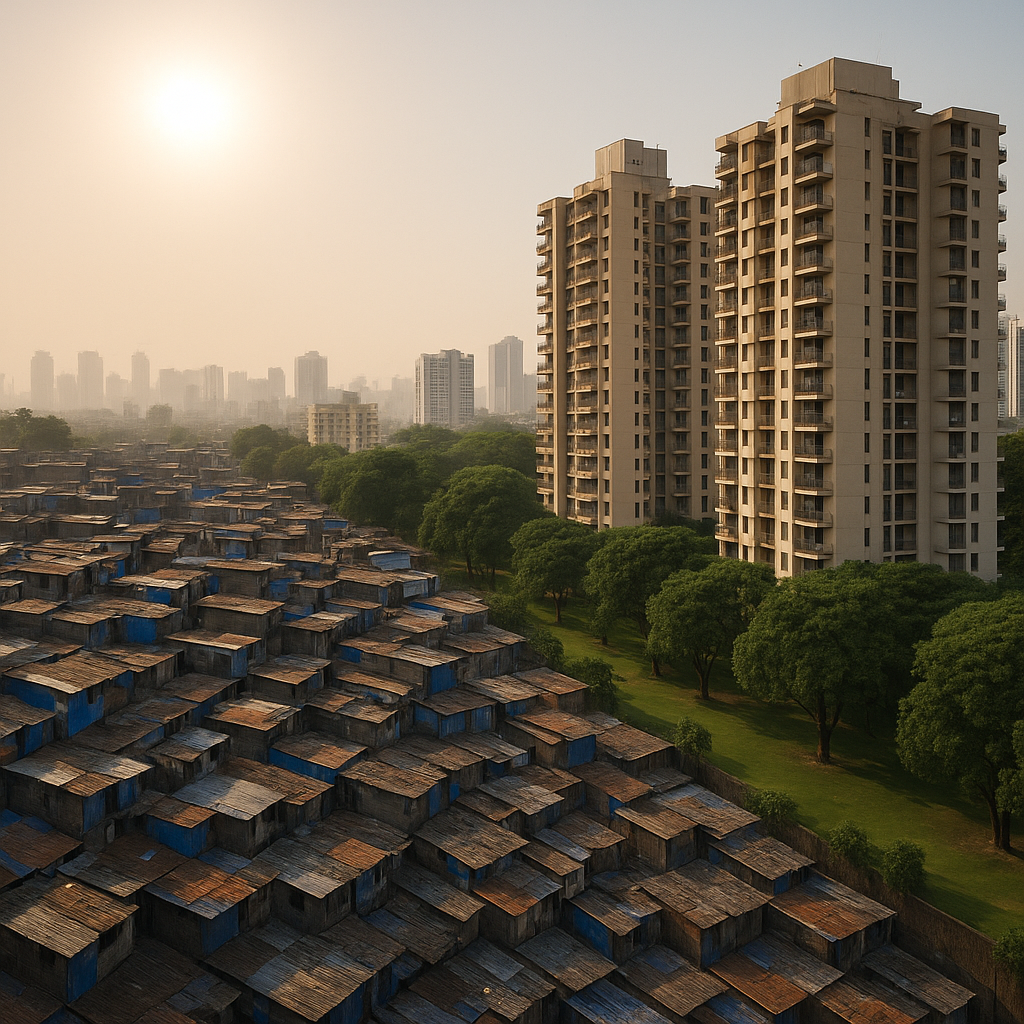
IIT Bombay study explains why your neighbourhood might sizzle while the next one stays cool
The phenomenon of varying temperatures across different neighbourhoods in urban areas has been a subject of interest for researchers and urban planners. A recent study conducted by the Indian Institute of Technology (IIT) Bombay sheds light on the factors that contribute to these temperature discrepancies. This article delves into the findings of the study, the implications for urban planning, and the potential solutions to mitigate extreme heat in urban environments.
Understanding Urban Heat Islands
One of the primary reasons for temperature variations in urban areas is the Urban Heat Island (UHI) effect. This phenomenon occurs when urban regions experience higher temperatures than their rural surroundings due to human activities and alterations to land surfaces. The UHI effect can lead to significant temperature differences, sometimes exceeding 5°C (9°F) or more, between urban and rural areas.
Key Factors Contributing to Urban Heat Islands
The IIT Bombay study identified several key factors that contribute to the UHI effect:
- Land Use and Surface Materials: Urban areas often consist of concrete, asphalt, and other heat-retaining materials that absorb and radiate heat more than natural landscapes.
- Vegetation Cover: Areas with less greenery tend to be hotter. Vegetation provides shade and cools the air through a process called evapotranspiration.
- Building Density: High-density buildings can trap heat, making certain neighbourhoods significantly warmer.
- Traffic and Emissions: Increased vehicular traffic leads to higher emissions and heat generation, contributing to elevated temperatures.
- Water Bodies: Proximity to lakes, rivers, or other water bodies can help moderate temperatures, making those areas cooler.
Findings of the IIT Bombay Study
The researchers at IIT Bombay conducted a comprehensive analysis of temperature variations across different neighbourhoods in Mumbai. They utilized satellite imagery, ground-based measurements, and advanced modeling techniques to assess temperature differences and their causes.
Key Findings
Some of the significant findings from the study include:
- Temperature Variability: The study found that temperatures could vary significantly within short distances, with some neighbourhoods experiencing much higher temperatures than others.
- Impact of Green Spaces: Areas with more parks and green spaces were consistently cooler, highlighting the importance of vegetation in urban planning.
- Heat Vulnerability: Low-income neighbourhoods, often with less vegetation and more concrete surfaces, were found to be more vulnerable to extreme heat.
- Mitigation Strategies: The study suggested several strategies for mitigating the UHI effect, including increasing green cover, using reflective materials in construction, and enhancing urban planning policies.
Implications for Urban Planning
The findings of the IIT Bombay study have significant implications for urban planning and policy-making. As cities continue to grow and develop, understanding the factors contributing to temperature variations is crucial for creating sustainable and livable urban environments.
Recommendations for Urban Planners
Based on the study’s findings, urban planners are encouraged to consider the following recommendations:
- Enhance Green Infrastructure: Incorporating parks, green roofs, and urban forests can help reduce temperatures and improve air quality.
- Promote Sustainable Building Practices: Using materials that reflect rather than absorb heat can mitigate the UHI effect.
- Implement Urban Cooling Strategies: Strategies such as creating shaded areas, installing water features, and promoting the use of public transportation can help lower temperatures.
- Community Engagement: Involving local communities in urban planning processes can ensure that the needs and preferences of residents are considered, particularly in vulnerable areas.
Conclusion
The IIT Bombay study provides valuable insights into the complex factors that contribute to temperature variations in urban environments. By understanding the causes of the Urban Heat Island effect, urban planners and policymakers can implement effective strategies to create cooler, more sustainable cities. As climate change continues to pose challenges to urban areas, addressing these temperature disparities will be crucial for the health and well-being of urban populations.
Note: This article is based on the findings of a study conducted by IIT Bombay and aims to highlight the importance of addressing urban heat disparities for sustainable urban development.


