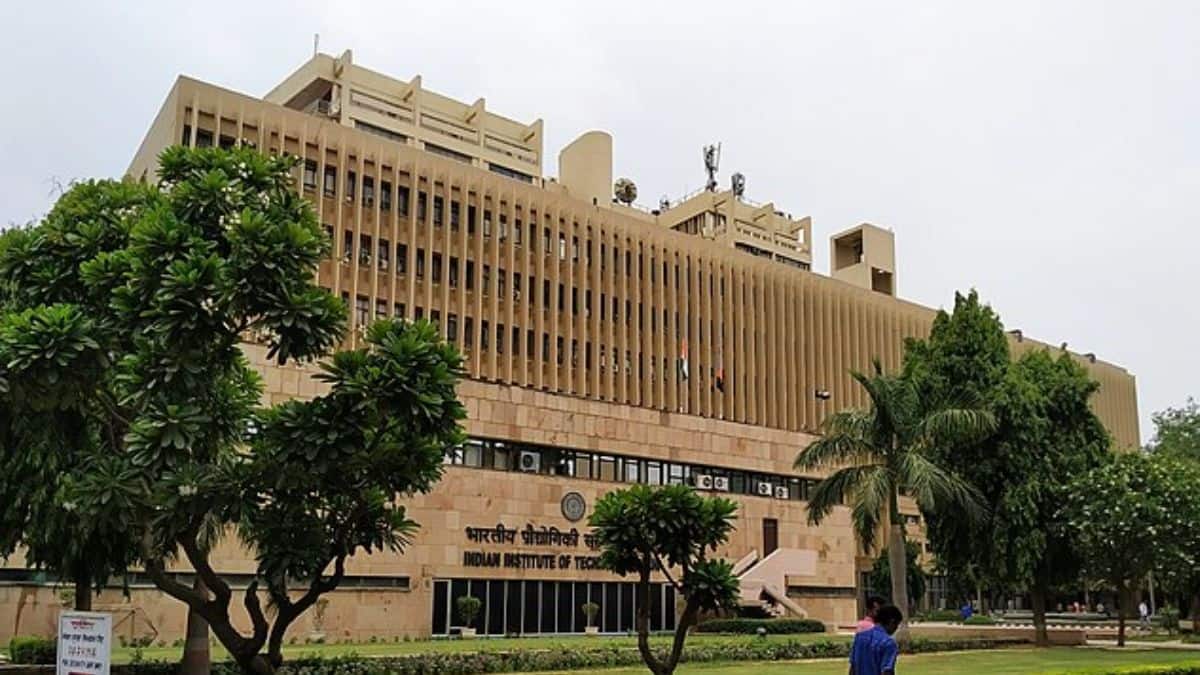
IIT Delhi Develops Innovative Mosquito-Repellent Detergent
In a significant breakthrough, researchers at the Indian Institute of Technology (IIT) Delhi have developed a new range of mosquito-repellent detergents. This innovative product comes in both powder and liquid forms, aiming to provide a practical solution to the persistent problem of mosquito bites, which are not only annoying but can also transmit various diseases.
The Research Team
The research was led by Professor Javed Nabibaksha Sheikh, a prominent figure in the field of textile engineering. Under his guidance, the team focused on creating a detergent that could effectively repel mosquitoes while maintaining the cleaning properties expected from conventional laundry products.
How It Works
The mosquito-repellent properties of the detergent stem from its unique formulation. The active components in the detergent are designed to bind to the fibers of the fabric during the washing process. This binding creates a barrier that makes the textiles unattractive to mosquitoes, thereby reducing the likelihood of bites.
Testing Methodology
To evaluate the effectiveness of the mosquito-repellent detergents, the researchers employed a method known as the “hand-in-cage” test. This test involves placing a human hand inside a cage containing mosquitoes. The researchers then observed the number of mosquito landings on the skin after it had been in contact with fabrics washed using the new detergent.
Results of the Study
The results of the study were promising. Fabrics washed with the mosquito-repellent detergent showed a significant reduction in mosquito landings compared to those washed with regular detergents. This indicates that the new product could be an effective tool in reducing mosquito bites and, consequently, the risk of mosquito-borne diseases.
Importance of Mosquito Control
Controlling mosquito populations and preventing bites is crucial for public health. Mosquitoes are known vectors for several diseases, including:
- Dengue Fever
- Malaria
- Zika Virus
- Chikungunya
- West Nile Virus
These diseases pose significant health risks, particularly in tropical and subtropical regions where mosquitoes thrive. By developing a product that can be easily integrated into daily life, IIT Delhi’s research team is contributing to a broader strategy for mosquito control.
Potential Applications
The mosquito-repellent detergent can be particularly beneficial in several contexts:
- Households: Families can use the detergent to wash clothing and bed linens, reducing the risk of bites during the night.
- Outdoor Activities: Individuals engaging in outdoor sports or camping can benefit from clothing that repels mosquitoes.
- Healthcare Settings: Hospitals and clinics can use the detergent for laundry, protecting patients and healthcare workers from mosquito bites.
Future Directions
The development of mosquito-repellent detergents is just one step in the ongoing battle against mosquito-borne diseases. Future research may focus on enhancing the effectiveness of the active ingredients, exploring additional applications for the detergent, and assessing its environmental impact.
Commercialization and Availability
As the research progresses, the team at IIT Delhi is also looking into the commercialization of the mosquito-repellent detergent. Making this product available to the public could significantly enhance its impact on public health.
Conclusion
The innovative mosquito-repellent detergent developed by IIT Delhi represents a promising advancement in the fight against mosquito-borne diseases. By integrating mosquito-repelling properties into a common household product, the researchers are addressing a critical public health issue in a practical and effective manner. As this research moves forward, it holds the potential to make a significant difference in the lives of many, reducing the incidence of mosquito bites and the diseases they carry.
Note: The information presented in this article is based on research conducted by IIT Delhi and is intended for educational purposes.