
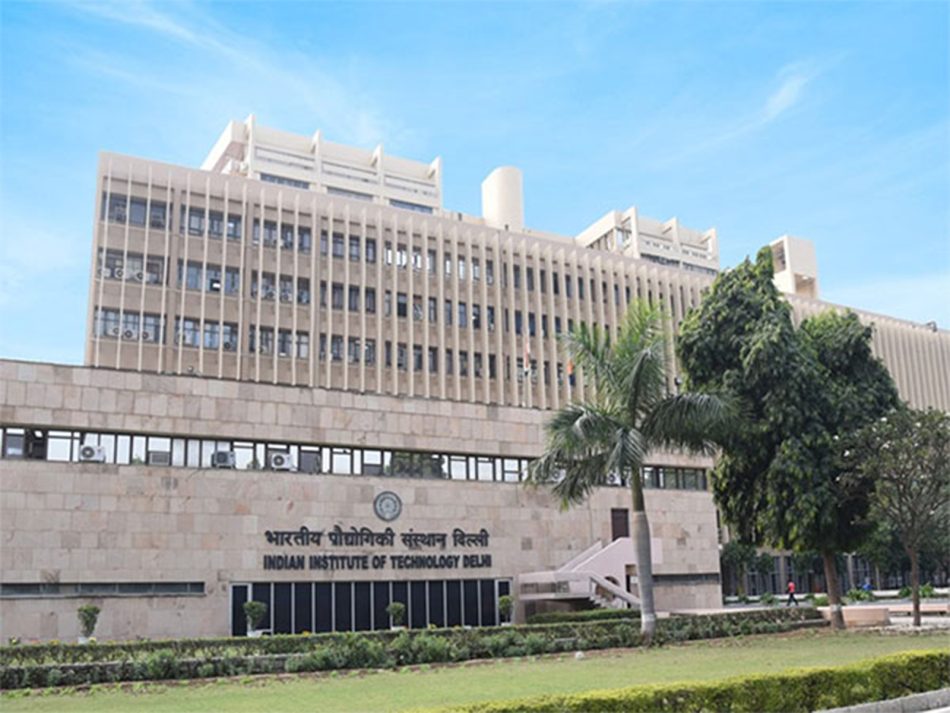
IIT Delhi signs MoU with Jindal Steel to set up Nodal Centre of Excellence for structural steel research
The Indian Institute of Technology (IIT) Delhi has recently signed a Memorandum of Understanding (MoU) with Jindal Steel and Power Limited (JSPL) to establish a Nodal Centre of Excellence for Structural Steel Research. This collaboration aims to enhance research and development in the field of structural steel, which plays a crucial role in modern construction and infrastructure development.
Objectives of the MoU
The primary objectives of the MoU between IIT Delhi and Jindal Steel include:
- To foster collaboration in research and development related to structural steel.
- To promote innovation in steel manufacturing and applications.
- To enhance educational opportunities for students and researchers in the field of structural engineering.
- To develop advanced testing facilities for structural steel components.
Significance of Structural Steel Research
Structural steel is a vital material in the construction industry, known for its strength, durability, and versatility. Research in this area is essential for several reasons:
- Safety: Improved research can lead to safer construction practices and materials.
- Sustainability: Innovations can help in developing more sustainable steel production methods.
- Cost-Effectiveness: Enhanced materials can reduce costs in construction projects.
- Performance: Better understanding of steel properties can lead to improved performance in various applications.
Components of the Nodal Centre of Excellence
The Nodal Centre of Excellence will focus on several key components:
- Research Projects: Collaborative research projects will be initiated to explore new materials and techniques in structural steel.
- Training Programs: Training sessions and workshops will be organized for students, researchers, and industry professionals.
- Testing Facilities: State-of-the-art testing facilities will be established to evaluate the performance of structural steel under various conditions.
- Industry Collaboration: The centre will work closely with industry partners to align research with practical applications.
Expected Outcomes
The collaboration between IIT Delhi and Jindal Steel is expected to yield several positive outcomes:
- Development of innovative steel products that meet modern construction needs.
- Enhanced knowledge transfer between academia and industry.
- Improved safety standards in construction through rigorous research.
- Increased opportunities for students in research and internships.
About IIT Delhi
IIT Delhi is one of the premier engineering institutions in India, known for its high academic standards and research contributions. Established in 1961, it has consistently ranked among the top engineering colleges in the country and has a strong focus on research and innovation.
About Jindal Steel and Power Limited
Jindal Steel and Power Limited is one of India’s leading steel producers and a significant player in the energy sector. Founded by Naveen Jindal, the company has made substantial contributions to the steel industry and is committed to sustainable practices and technological advancements.
Future Directions
The establishment of the Nodal Centre of Excellence is just the beginning of a long-term partnership between IIT Delhi and Jindal Steel. Future directions may include:
- Expansion of research areas to include advanced composite materials.
- Collaboration with international universities and research institutions.
- Participation in global conferences to showcase research findings.
- Development of joint publications and patents in the field of structural steel.
Conclusion
The signing of the MoU between IIT Delhi and Jindal Steel marks a significant step forward in structural steel research in India. This collaboration is expected to enhance the quality of research, promote innovation, and contribute to the development of safer and more sustainable construction practices. As the construction industry continues to evolve, this partnership will play a crucial role in shaping the future of structural engineering.
Note: The information presented in this article is based on the latest available data and developments as of October 2023.


