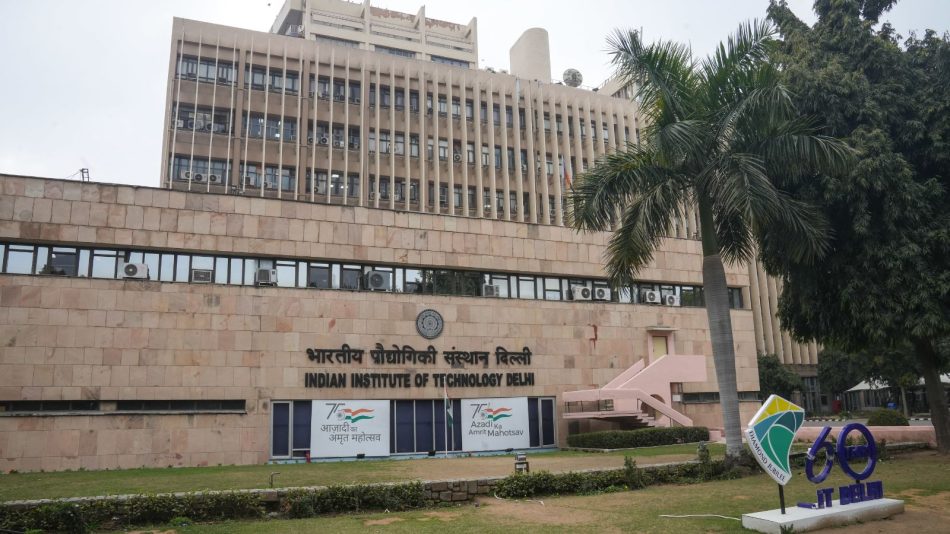
IIT-Delhi’s Durban Moment: The Need for Caste and Race Scholarship in IITs
The Indian Institutes of Technology (IITs) have long been considered the pinnacle of engineering education in India. However, as society evolves, so too must the institutions that serve it. The recent discussions surrounding caste and race scholarship in IITs, particularly IIT-Delhi, have sparked a necessary debate about inclusivity and representation in higher education.
The Historical Context
India has a complex social structure deeply rooted in caste and race. For centuries, marginalized communities have faced systemic barriers to education and employment. The IITs, while providing opportunities for many, have often been criticized for not adequately addressing these disparities. The historical context of caste and race in India necessitates a reevaluation of how these institutions operate and who they serve.
The Durban Moment
The term “Durban moment” refers to the 2001 World Conference Against Racism held in Durban, South Africa. This conference highlighted the need for global awareness and action against racism and discrimination. Similarly, IIT-Delhi’s current discussions serve as a pivotal moment for Indian higher education, emphasizing the importance of recognizing and addressing caste and race disparities within its student body.
The Case for Caste and Race Scholarship
Implementing caste and race scholarship programs in IITs could foster a more inclusive environment. Here are several reasons why such initiatives are essential:
1. Addressing Historical Inequities
Scholarship programs aimed at underrepresented communities can help rectify historical injustices. By providing financial assistance and support, IITs can empower students from marginalized backgrounds to pursue their academic and professional goals.
2. Promoting Diversity
Diversity enriches the educational experience for all students. A diverse student body brings a variety of perspectives, fostering creativity and innovation. By including students from different caste and racial backgrounds, IITs can create a more dynamic learning environment.
3. Enhancing Social Justice
Education is a powerful tool for social mobility. By implementing caste and race scholarships, IITs can contribute to social justice by leveling the playing field for students who have been historically marginalized. This commitment to equity can help dismantle systemic barriers and promote a more just society.
4. Building a Stronger Workforce
A diverse workforce is essential for India’s growth in the global economy. By equipping students from various backgrounds with the skills and knowledge needed to succeed, IITs can help build a workforce that reflects the country’s diversity and meets the demands of a rapidly changing job market.
Challenges to Implementation
While the benefits of caste and race scholarship programs are clear, several challenges may arise during implementation:
1. Resistance to Change
Some may argue that meritocracy should be the sole basis for admissions and scholarships. This perspective can hinder progress toward inclusivity, as it often overlooks the systemic barriers faced by marginalized communities.
2. Funding and Resources
Implementing scholarship programs requires adequate funding and resources. IITs must seek partnerships with government bodies, private organizations, and alumni to ensure sustainable financial support for these initiatives.
3. Ensuring Effective Outreach
To be successful, scholarship programs must reach the intended beneficiaries. This requires effective outreach strategies to inform underrepresented communities about available opportunities and support systems.
Examples of Successful Initiatives
Several institutions worldwide have successfully implemented caste and race scholarship programs, serving as models for IITs:
1. The University of California System
The University of California has implemented various programs aimed at increasing diversity among its student body. These initiatives include financial aid packages specifically designed for underrepresented students, as well as mentorship programs to support their academic success.
2. Harvard University
Harvard has made significant strides in promoting diversity through its financial aid policies, which ensure that students from low-income backgrounds can attend without the burden of debt. This approach has resulted in a more diverse student body and enriched campus life.
The Path Forward
For IITs to truly embrace inclusivity, they must take actionable steps toward implementing caste and race scholarship programs. This journey involves:
1. Policy Development
Institutions must develop clear policies outlining the criteria and processes for scholarship applications. These policies should be transparent and accessible to all potential applicants.
2. Collaboration with Stakeholders
Engaging with stakeholders, including students, faculty, and community organizations, is crucial for understanding the needs of underrepresented communities. Their input can help shape effective scholarship programs.
3. Continuous Evaluation
Regular assessment of scholarship programs is necessary to ensure their effectiveness. Feedback from recipients and the broader community can help identify areas for improvement and ensure that the programs meet their intended goals.
Conclusion
The call for caste and race scholarship programs in IITs, particularly IIT-Delhi, represents a critical opportunity to address historical inequities and promote inclusivity in higher education. By embracing this challenge, IITs can pave the way for a more equitable future, not just for their students, but for society as a whole.
Note: The issues surrounding caste and race in India are complex and multifaceted. It is essential to approach these discussions with sensitivity and a commitment to understanding the diverse experiences of all communities.