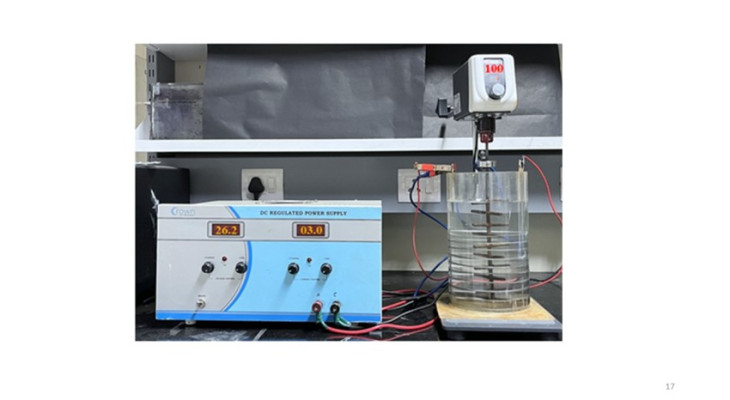
IIT-G Develops Sunlight-Driven Catalyst to Convert CO2 into Methanol Fuel
In a significant advancement towards clean fuel technology and environmental conservation, researchers at the Indian Institute of Technology (IIT) Guwahati have developed a groundbreaking photocatalytic material capable of converting carbon dioxide (CO₂) into methanol fuel using sunlight. This innovative approach addresses the pressing challenges of meeting rising energy demands while minimizing environmental harm.
The Need for Clean Energy Solutions
As the global reliance on petroleum-based fuels continues to contribute to CO₂ emissions, environmental degradation, and global warming, the search for sustainable energy alternatives has become increasingly urgent. The study, published in the Journal of Materials Science, highlights the potential of this new technology to support industries such as thermal power plants, cement manufacturing units, steel production facilities, and petrochemical refineries. These sectors are critical in the transition towards a circular carbon economy and a cleaner energy future.
Research Insights from IIT Guwahati
Professor Mahuya De, from the Department of Chemical Engineering at IIT Guwahati, emphasized the importance of this research, stating, “The present work is expected to contribute towards mitigating environmental problems, with simultaneous contributions towards green energy. Converting CO₂ to greener fuel using solar energy is a promising technology towards this direction.”
Challenges in CO2 Conversion
Researchers around the world have been exploring various methods to convert CO₂ into usable fuels, often utilizing graphitic carbon nitride, a low-cost, metal-free, and non-toxic material. However, previous attempts have faced significant limitations, including rapid energy loss and low fuel generation rates. These challenges have hindered the development of effective solutions.
Innovative Approach: Combining Materials
The IIT Guwahati research team made a significant breakthrough by combining graphitic carbon nitride with few-layer graphene. This ultra-thin carbon material is known for its excellent electrical conductivity and energy transfer capabilities. The incorporation of few-layer graphene into the catalyst minimized energy loss, enhancing the overall efficiency of the photocatalytic process.
Key Findings
- The combination of few-layer graphene with graphitic carbon nitride improved photocatalytic energy retention under visible light and sunlight exposure.
- This enhancement kept the catalyst active for extended periods, resulting in better light absorption and improved charge generation.
- The catalyst with 15 weight percentage graphene demonstrated the most efficient conversion of CO₂ to methanol.
- Strong stability was observed in this catalyst, a critical factor for practical applications in industrial settings.
Future Directions
Looking ahead, the research team at IIT Guwahati aims to scale this technology for practical applications. The next steps include developing a long-lasting photocatalytic system capable of converting industrial CO₂ emissions into clean fuels. This advancement could significantly impact various industries, potentially reducing their carbon footprints and contributing to a more sustainable energy landscape.
Conclusion
The development of a sunlight-driven catalyst by IIT Guwahati represents a promising step towards addressing the dual challenges of energy sustainability and environmental protection. By converting CO₂ into methanol fuel, this technology not only offers a potential solution to rising energy demands but also contributes to mitigating the effects of climate change. As research progresses, the implications of this work could resonate across multiple sectors, paving the way for a cleaner and more sustainable energy future.
Note: The information presented in this article is based on research findings and may evolve as further studies are conducted.