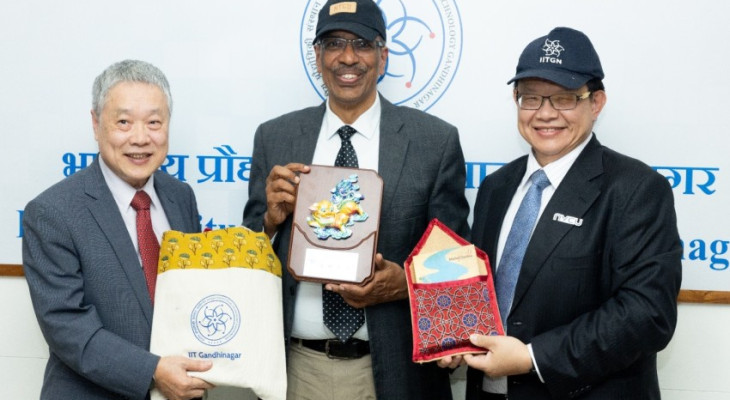
IIT Gandhinagar Ties Up With Taiwanese University To Boost Semiconductor Partnership
The Indian Institute of Technology (IIT) Gandhinagar has recently announced a significant collaboration with a prestigious university in Taiwan, aimed at enhancing research and development in the semiconductor sector. This partnership is poised to play a crucial role in addressing the growing demand for semiconductor technology in India and globally.
The Significance of Semiconductors
Semiconductors are vital components in modern electronics, powering everything from smartphones to computers and automotive systems. As technology advances, the demand for semiconductors continues to rise, making it essential for countries to develop robust semiconductor ecosystems.
Objectives of the Partnership
The collaboration between IIT Gandhinagar and the Taiwanese university focuses on several key objectives:
- Research Collaboration: Joint research initiatives to explore innovative semiconductor technologies.
- Student Exchange Programs: Facilitation of student and faculty exchanges to enhance educational experiences.
- Workshops and Seminars: Organizing events to share knowledge and best practices in semiconductor manufacturing and design.
- Industry Partnerships: Engaging with industry leaders to align academic research with market needs.
Background of IIT Gandhinagar
Established in 2008, IIT Gandhinagar has emerged as a leading institution in India, known for its innovative approach to education and research. The institute emphasizes interdisciplinary learning and aims to produce graduates who are equipped to tackle real-world challenges.
The Taiwanese University: A Leader in Semiconductor Research
The Taiwanese university involved in this partnership is recognized as one of the top institutions in the field of semiconductor research. Taiwan is home to some of the world’s largest semiconductor manufacturers, making it an ideal partner for IIT Gandhinagar in this endeavor.
Impact on India’s Semiconductor Ecosystem
This partnership is expected to have a profound impact on India’s semiconductor ecosystem. With the Indian government’s push for self-reliance in semiconductor manufacturing, collaborations like this one are essential for building expertise and capacity in the sector.
Government Initiatives
The Indian government has launched several initiatives to promote semiconductor manufacturing, including:
- Production-Linked Incentive (PLI) Scheme: Aimed at boosting domestic manufacturing of electronics and semiconductors.
- National Policy on Electronics: Focusing on creating a conducive environment for electronics manufacturing in India.
- Semiconductor Mission: A dedicated mission to develop a comprehensive semiconductor ecosystem in the country.
Future Prospects
The collaboration between IIT Gandhinagar and the Taiwanese university is expected to pave the way for numerous opportunities in the semiconductor field. As both institutions work together, they will likely contribute to the development of cutting-edge technologies and innovations that can benefit various sectors, including telecommunications, automotive, and consumer electronics.
Potential Areas of Research
Some potential areas of research that may emerge from this partnership include:
- Advanced Materials: Exploring new materials for semiconductor devices that enhance performance and efficiency.
- Chip Design: Developing innovative designs that can lead to smaller, faster, and more energy-efficient chips.
- Manufacturing Techniques: Researching advanced manufacturing processes that reduce costs and improve yield rates.
- Applications in AI and IoT: Investigating how semiconductor technology can support the growing fields of artificial intelligence and the Internet of Things.
Conclusion
The partnership between IIT Gandhinagar and the Taiwanese university marks a significant step towards strengthening India’s position in the global semiconductor landscape. By fostering collaboration in research and education, both institutions are set to make meaningful contributions to the semiconductor industry, which is critical for the technological advancement of the nation.
Note: The information in this article is based on current developments as of October 2023 and may be subject to change as the partnership evolves.