IIT-Goa Project at Codar Scrapped Amid Villagers’ Protests
The plan to establish an Indian Institute of Technology (IIT) campus in Codar village, Goa, has been officially cancelled due to significant opposition from local residents. This decision marks a notable moment in the ongoing dialogue between government initiatives and community interests.
Background of the IIT Project
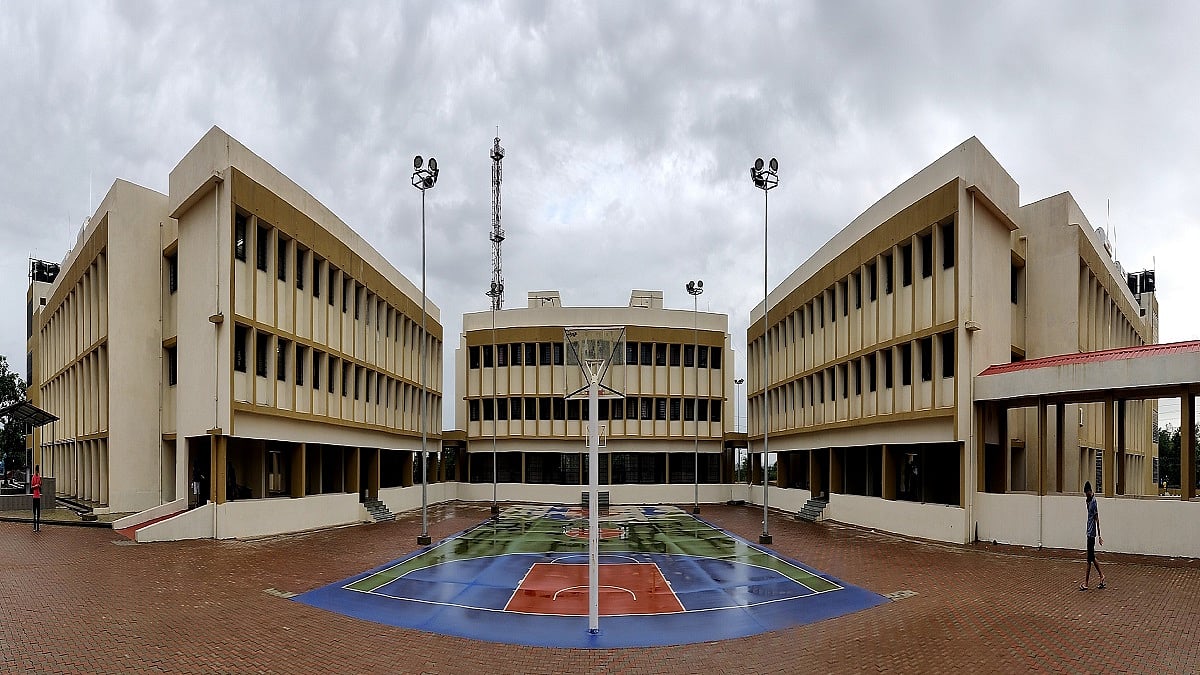
The IIT-Goa project was part of a broader initiative to enhance educational infrastructure in the region. The government aimed to position Goa as a hub for higher education, attracting students from across the country and fostering technological innovation. However, the proposed site in Codar faced immediate backlash from the local community.
Community Opposition
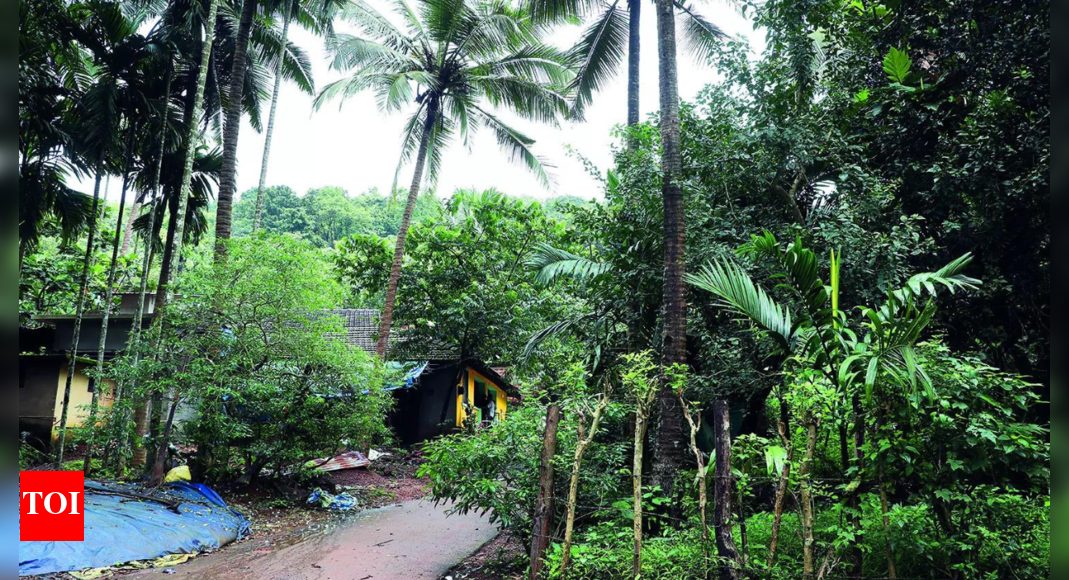
Local residents expressed their concerns regarding the project, citing potential environmental impacts and the disruption of their way of life. The villagers organized protests, voicing their objections to the government’s plans. Their united stance was instrumental in bringing attention to their grievances.
Government Response
In response to the protests, Minister Subhash Shirodkar announced the cancellation of the IIT project. During a press conference, he acknowledged the villagers’ concerns and stated, “Some vested interests have historically opposed development projects, but the government has respected the villagers’ stance.” This statement reflects a shift in the government’s approach, indicating a willingness to listen to local voices.
Reactions from Political Leaders
The cancellation of the IIT project received mixed reactions from political leaders in Goa. Vijai Sardesai, the President of the Goa Forward Party, hailed the decision as a victory for the people. He stated, “The united voice of Codar villagers opposing the IIT project has WON. This is a triumph of people’s will over BJP’s arrogance. Goa Forward will always stand with the people of Goa against injustice.”
On the other hand, Manoj Parab, the Chief of the Revolutionary Goans Party (RGP), commented on the impracticality of the project. He emphasized that a full-fledged IIT requires approximately 500 acres of land, which Goa cannot afford to spare without causing significant harm to its forests and eco-sensitive zones. Parab urged the government to formally communicate these concerns to the central authorities.
Environmental Concerns
The debate surrounding the IIT project also highlighted broader environmental issues in Goa. The region is known for its rich biodiversity and ecological significance. Many residents fear that large-scale development projects could lead to deforestation, loss of wildlife habitats, and degradation of natural resources.
Future of Educational Initiatives in Goa
With the IIT-Goa project now scrapped, questions arise regarding the future of educational initiatives in the state. Goa has been striving to improve its educational landscape, but the challenge remains in balancing development with environmental preservation and community needs.
Conclusion
The cancellation of the IIT project in Codar serves as a reminder of the power of community engagement in the face of governmental decisions. As Goa continues to navigate its development trajectory, it is crucial for policymakers to consider the voices of local residents and the environmental implications of their projects.
Note: This article reflects the current situation regarding the IIT-Goa project and the ongoing discussions surrounding development and environmental conservation in Goa.