IIT Guwahati alumni creating AI that codes
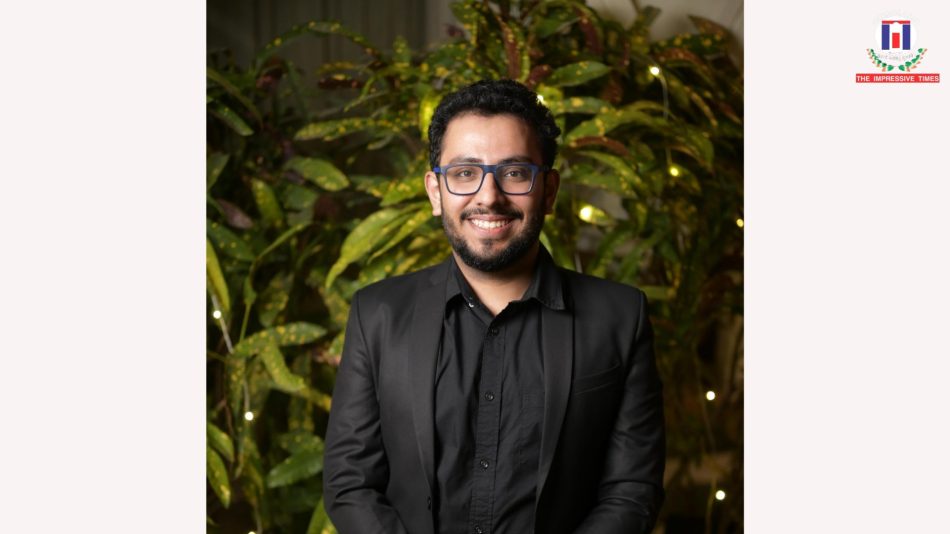
Guwahati: An alumnus from the Indian Institute of Technology (IIT) Guwahati, Sachit Kuhar, is making significant strides in the field of artificial intelligence (AI). His work focuses on developing systems capable of writing and maintaining software automatically, which has the potential to revolutionize the way software development is approached.
Innovative Contributions to AI
Over the past few years, Sachit Kuhar has played a vital role in the advancement of AI technologies. Notable among his contributions is CodeWhisperer, an AI model designed to assist programmers in generating code based on simple instructions. This tool is particularly beneficial for developers, as it streamlines the coding process and enhances productivity.
Another significant innovation is Kiro, a coding environment where AI supports developers throughout the software development lifecycle. By integrating AI into the development process, these technologies help developers to:
- Build applications more rapidly
- Reduce errors in coding
- Simplify software maintenance
These advancements are already being utilized by hundreds of thousands of software developers worldwide, showcasing their impact on the industry.
Long-Term Vision
Sachit Kuhar’s long-term objective is ambitious: he aims to empower every individual to create code for any application they desire, regardless of their technical expertise. This vision aligns with the growing trend of democratizing technology, making coding accessible to a broader audience.
Recent Research and Developments
Recently, Sachit published a research paper titled UT-Fix, which was presented at the OOPSLA conference in Singapore, a prestigious international gathering focused on programming languages and software engineering. UT-Fix is an innovative AI system that automatically updates testing code when software changes, addressing one of the most time-consuming tasks faced by developers.
According to Sachit, “Writing test code will soon be an entirely automated process, with humans acting primarily as verifiers.” This transition could save developers hundreds of thousands of hours while simultaneously improving software reliability.
The Future of AI in Hardware Design
Looking ahead, Sachit believes that the next major breakthrough in AI will involve its application in hardware design. He expresses particular excitement about the potential for AI to design AI hardware itself. “We are moving toward a future where AI systems write code to design next-generation chips,” he states.
With the Indian government’s Semiconductor 2.0 initiative, there is a significant opportunity for India to enter the semiconductor space early and influence the global evolution of AI-driven chip design.
National Platforms for AI Innovation
As New Delhi prepares to host the India AI Impact Summit 2026 from February 16 to 20, Sachit emphasizes the importance of national platforms in shaping the future of AI. He believes that such events can help establish early priorities for responsible AI innovation and next-generation computing.
Conclusion
The work being done by Sachit Kuhar and other IIT Guwahati alumni in the field of AI is paving the way for a future where coding becomes more accessible and efficient. As AI continues to evolve, its integration into software development and hardware design will likely lead to unprecedented advancements in technology.
Note: The information presented in this article is based on the latest developments as of March 2026 and reflects the ongoing trends in AI and software engineering.