IIT Guwahati Develops Low-cost Arsenic Removal System For Groundwater
Arsenic contamination in groundwater is a significant public health concern, particularly in regions where groundwater serves as the primary source of drinking water. In India, particularly in the northeastern states, high levels of arsenic have been detected in groundwater, leading to serious health issues among the population. To address this pressing issue, researchers at the Indian Institute of Technology (IIT) Guwahati have developed an innovative and cost-effective arsenic removal system.
The Need for Arsenic Removal
Arsenic is a naturally occurring element that can be found in groundwater due to the dissolution of arsenic-bearing minerals. Long-term exposure to arsenic can lead to severe health problems, including skin lesions, developmental effects, cardiovascular disease, neurotoxicity, and an increased risk of cancer. The World Health Organization (WHO) has set the maximum allowable concentration of arsenic in drinking water at 0.01 mg/L.
Challenges in Arsenic Removal
Traditional methods of arsenic removal from water, such as coagulation, adsorption, and membrane filtration, often involve high operational and maintenance costs. Furthermore, these methods may not be suitable for rural areas where resources are limited and the population relies heavily on groundwater for their daily needs. Therefore, there is a critical need for a low-cost, efficient, and sustainable solution for arsenic removal.
The Innovative Solution by IIT Guwahati
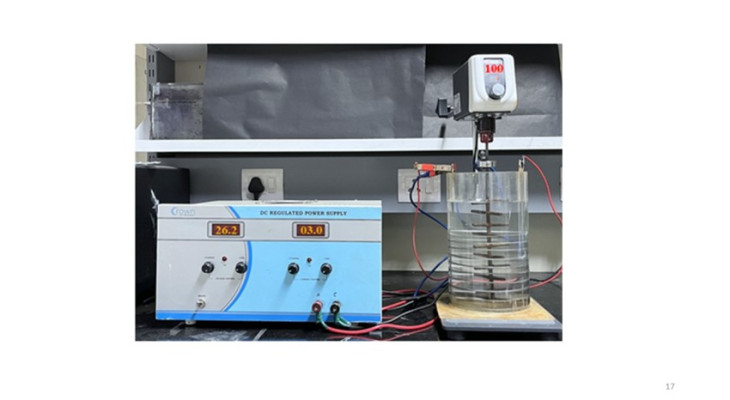
The research team at IIT Guwahati has developed a novel arsenic removal system that utilizes a combination of natural materials and advanced technology. The system is designed to be both effective and affordable, making it accessible to communities that are most affected by arsenic contamination.
Key Features of the Arsenic Removal System
- Low-cost materials: The system uses locally available materials, which significantly reduces the overall cost of the technology.
- High efficiency: The system has demonstrated a high removal efficiency of arsenic, achieving levels below the WHO recommended limit.
- Easy maintenance: The design of the system allows for easy maintenance and operation, making it suitable for rural communities.
- Scalability: The system can be easily scaled up or down based on the specific needs of a community.
How the System Works
The IIT Guwahati arsenic removal system operates through a series of steps that effectively eliminate arsenic from contaminated groundwater:
1. Pre-treatment
The first step involves pre-treating the water to remove any suspended solids and other impurities. This ensures that the subsequent treatment processes are more effective.
2. Arsenic Adsorption
The core of the system relies on adsorption technology, where arsenic ions in the water are attracted to and held by the adsorbent material. The researchers have identified specific natural materials that are highly effective in adsorbing arsenic, making the process both efficient and cost-effective.
3. Filtration
After the adsorption process, the water is passed through a filtration system that removes any remaining contaminants. This step ensures that the treated water is safe for consumption.
4. Post-treatment
The final step involves post-treatment to ensure that the water meets safety standards. This may include additional disinfection processes to eliminate any pathogens that may be present.
Field Testing and Results
To validate the effectiveness of the arsenic removal system, the researchers conducted field tests in various locations affected by arsenic contamination. The results were promising, with the system consistently reducing arsenic levels to below the WHO standard. Feedback from local communities indicated a high level of satisfaction with the system’s performance and ease of use.
Impact on Communities
The introduction of this low-cost arsenic removal system has the potential to transform the lives of many individuals living in arsenic-affected areas. Access to safe drinking water can lead to improved health outcomes, reduced healthcare costs, and enhanced quality of life. Furthermore, the system can empower communities by providing them with the tools to manage their water resources sustainably.
Future Prospects
Looking ahead, the researchers at IIT Guwahati are exploring ways to further improve the system and expand its reach. This includes:
- Conducting more extensive field trials to gather data on long-term performance.
- Collaborating with local governments and NGOs to promote the adoption of the technology.
- Investigating the potential for integrating the system with other water purification technologies.
Conclusion
The development of a low-cost arsenic removal system by IIT Guwahati represents a significant advancement in addressing the issue of arsenic contamination in groundwater. By providing an affordable and effective solution, this technology has the potential to improve public health and enhance the quality of life for countless individuals in affected communities.
Note: The information presented in this article is based on research conducted by IIT Guwahati and aims to highlight the importance of innovative solutions to global water quality issues.