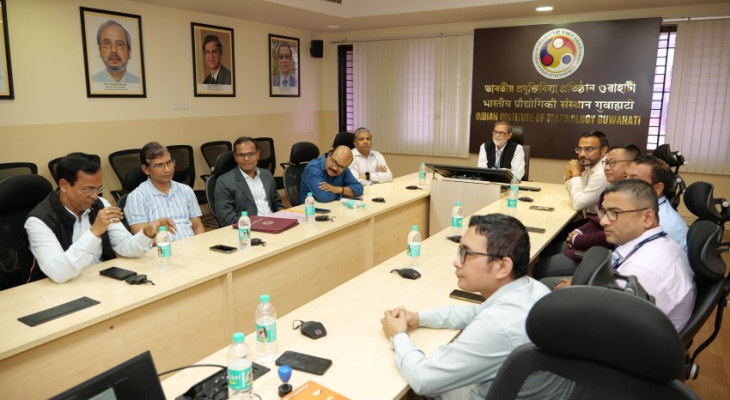
IIT Guwahati Partners ICICI Foundation For Solar Project
The Indian Institute of Technology (IIT) Guwahati has embarked on a significant partnership with the ICICI Foundation to implement an innovative solar energy project. This collaboration aims to promote sustainable energy solutions and enhance the adoption of solar technology in the region. The project is expected to have far-reaching implications for both the local community and the broader context of renewable energy in India.
Background of the Partnership
The partnership between IIT Guwahati and the ICICI Foundation is rooted in a shared commitment to advancing renewable energy technologies. IIT Guwahati, one of the premier engineering institutes in India, has a strong focus on research and development in various fields, including renewable energy. The ICICI Foundation, on the other hand, is dedicated to social development and sustainability initiatives across the country.
This collaboration is particularly timely, given the increasing importance of renewable energy sources in combating climate change and reducing dependence on fossil fuels. India has set ambitious targets for solar energy production, aiming to achieve 100 GW of solar power capacity by 2022, a goal that reflects the nation’s commitment to sustainable development.
Objectives of the Solar Project
The primary objectives of the solar project include:
- Enhancing Solar Energy Adoption: The project aims to promote the use of solar energy among local communities and institutions, encouraging a shift towards more sustainable energy practices.
- Research and Development: IIT Guwahati will leverage its research capabilities to innovate and improve solar technology, making it more efficient and accessible.
- Community Engagement: The initiative will involve local communities in the implementation process, ensuring that they benefit from the project and gain knowledge about solar energy.
- Capacity Building: Training programs will be organized to equip individuals with the skills needed to install and maintain solar energy systems.
Project Implementation
The implementation of the solar project will be carried out in several phases. Initially, a feasibility study will be conducted to assess the specific needs of the communities involved. This study will help identify the most suitable solar technologies and systems to be deployed.
Once the feasibility study is complete, the project will move into the installation phase, where solar panels and related infrastructure will be set up in selected locations. The project will also focus on integrating solar energy systems with existing power grids to enhance energy efficiency.
Expected Outcomes
The expected outcomes of the IIT Guwahati and ICICI Foundation solar project are multi-faceted:
- Increased Access to Electricity: By providing solar energy solutions, the project aims to improve electricity access for underserved communities, contributing to better quality of life.
- Environmental Benefits: The use of solar energy will help reduce carbon emissions and reliance on fossil fuels, contributing to a cleaner environment.
- Economic Opportunities: The project is expected to create job opportunities in the renewable energy sector, fostering economic growth in the region.
- Educational Impact: Through training and community engagement, the project will enhance awareness and knowledge about renewable energy technologies.
Challenges and Solutions
While the solar project presents numerous opportunities, it is not without challenges. Some potential challenges include:
- Financial Constraints: Securing adequate funding for the project can be a significant hurdle. To address this, the partnership will explore various funding sources, including government grants and private investments.
- Technical Expertise: The successful implementation of solar technologies requires specialized knowledge. IIT Guwahati will play a crucial role in providing technical support and training.
- Community Resistance: Some communities may be hesitant to adopt new technologies. Engaging with local leaders and conducting awareness campaigns will be essential to overcome this resistance.
Future Prospects
The collaboration between IIT Guwahati and the ICICI Foundation marks a significant step towards promoting renewable energy in India. As the project progresses, it could serve as a model for similar initiatives across the country. The success of this project may inspire other educational institutions and organizations to partner in the development of sustainable energy solutions.
Moreover, the insights gained from this project could contribute to the broader discourse on renewable energy policy and implementation in India, helping to shape future strategies for energy sustainability.
Conclusion
The partnership between IIT Guwahati and the ICICI Foundation for the solar project is a promising initiative that aims to enhance the adoption of solar energy in India. By focusing on research, community engagement, and capacity building, this project has the potential to create lasting benefits for local communities and contribute to the country’s renewable energy goals. As India continues to navigate the challenges of climate change and energy sustainability, collaborative efforts like this will be crucial in driving the transition towards a greener future.
Note: This article is based on information available as of October 2023 and aims to provide an overview of the IIT Guwahati and ICICI Foundation solar project.