IIT Indore creates AI human replica to help detect diseases
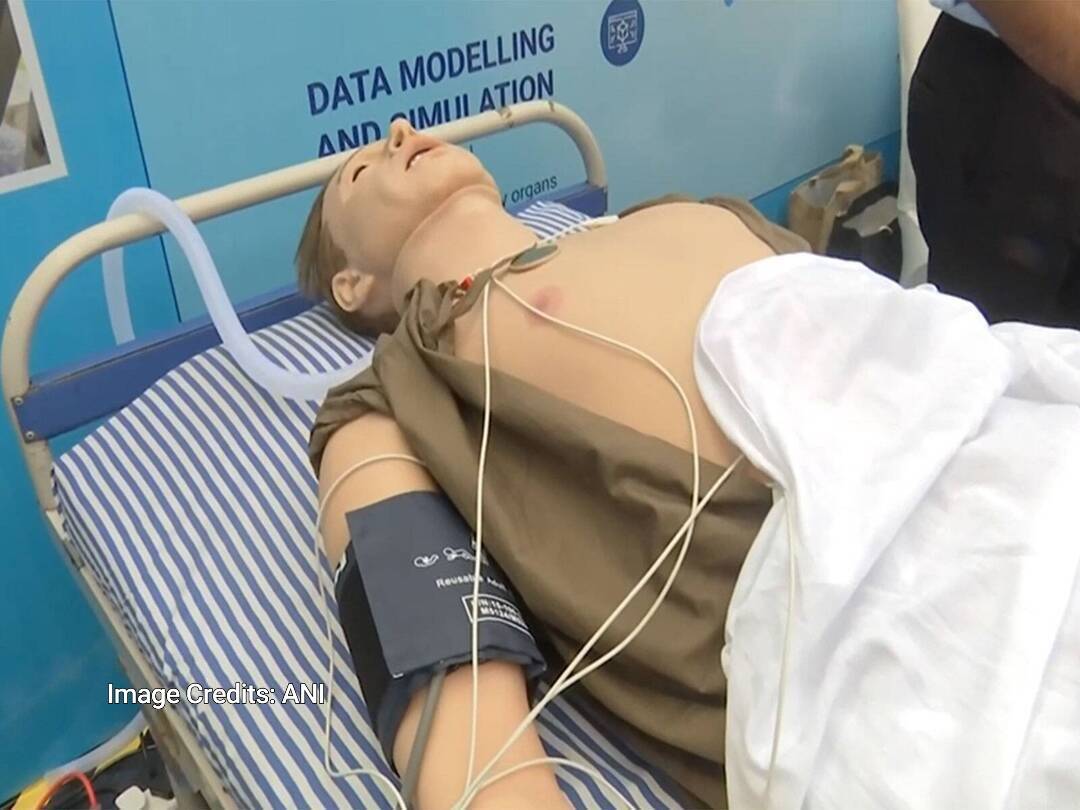
In a groundbreaking development in the field of artificial intelligence and medical technology, the Indian Institute of Technology (IIT) Indore has successfully created an AI-powered human-like replica. This innovative technology aims to enhance the early detection and diagnosis of diseases within the human body. As reported by ANI, this advancement could revolutionize the way healthcare professionals approach disease identification and patient care.
What is the AI Human Replica?
The AI human replica developed by IIT Indore is designed to mimic essential human functions. This includes basic actions such as blinking and breathing, which are crucial for creating a more realistic interaction between the AI and healthcare professionals. The primary goal of this replica is to assist in the identification of disease patterns in various organs, thereby facilitating a more accurate and timely diagnosis.
Key Features of the AI Replica
- Human-like Functions: The replica can perform actions that are characteristic of human beings, such as blinking and breathing. This feature is particularly important for creating a relatable and interactive experience for medical practitioners.
- Advanced Disease Detection: By analyzing the replica’s responses and behaviors, healthcare providers can identify potential disease patterns that may not be easily observable in traditional diagnostic methods.
- Support for Preventive Diagnosis: The AI replica can aid in early diagnosis, allowing doctors to implement preventive measures before diseases progress to more severe stages.
- Training Tool for Medical Professionals: The AI human replica can serve as a training tool for medical students and professionals, providing them with a hands-on experience in diagnosing and understanding various medical conditions.
The Importance of Early Disease Detection
Early detection of diseases is critical in improving patient outcomes. Many diseases, including cancer, diabetes, and cardiovascular conditions, can be managed more effectively when identified in their initial stages. The AI human replica developed by IIT Indore aims to bridge the gap in early diagnosis, which can lead to better treatment options and improved survival rates.
How the AI Replica Works
The AI human replica utilizes sophisticated algorithms and machine learning techniques to analyze data and mimic human-like responses. By integrating various sensors and monitoring systems, the replica can simulate physiological responses that are indicative of different health conditions. This allows healthcare professionals to observe and interpret these responses in real-time, enhancing their diagnostic capabilities.
Potential Applications in Healthcare
The applications of the AI human replica are vast and varied. Here are some potential uses in the healthcare sector:
- Diagnostic Assistance: The replica can assist doctors in diagnosing diseases by providing real-time feedback on patient responses during examinations.
- Medical Training: Medical students can practice their diagnostic skills on the AI replica, gaining valuable experience without the risks associated with real patients.
- Research and Development: Researchers can utilize the AI human replica to study disease progression and test new treatment methods in a controlled environment.
- Telemedicine: The AI replica can be integrated into telemedicine platforms, allowing doctors to conduct remote examinations and consultations more effectively.
Challenges and Considerations
While the development of the AI human replica presents numerous advantages, there are also challenges and ethical considerations that must be addressed:
- Data Privacy: The use of AI in healthcare raises concerns about patient data privacy and security. Ensuring that sensitive information is protected is paramount.
- Accuracy and Reliability: The effectiveness of the AI replica in diagnosing diseases depends on the accuracy of its algorithms. Continuous updates and validations are necessary to maintain reliability.
- Integration into Healthcare Systems: For the AI human replica to be widely adopted, it must be seamlessly integrated into existing healthcare systems and practices.
- Ethical Implications: The use of AI in healthcare raises ethical questions regarding the role of technology in patient care and the potential for over-reliance on machines.
The Future of AI in Healthcare
The creation of the AI human replica by IIT Indore marks a significant step forward in the integration of artificial intelligence into healthcare. As technology continues to evolve, we can expect to see more innovations that enhance the capabilities of medical professionals and improve patient outcomes. The potential for AI to transform healthcare is immense, and ongoing research and development will be crucial in realizing this vision.
Conclusion
The AI human replica developed by IIT Indore represents a promising advancement in the field of medical technology. By mimicking human functions and aiding in the early detection of diseases, this innovation has the potential to improve diagnostic accuracy and patient care. As we move forward, it will be essential to address the challenges and ethical considerations associated with AI in healthcare to ensure that these technologies are used responsibly and effectively.
Note: The information presented in this article is based on reports available as of January 2026 and may be subject to change as new developments arise in the field of AI and healthcare.