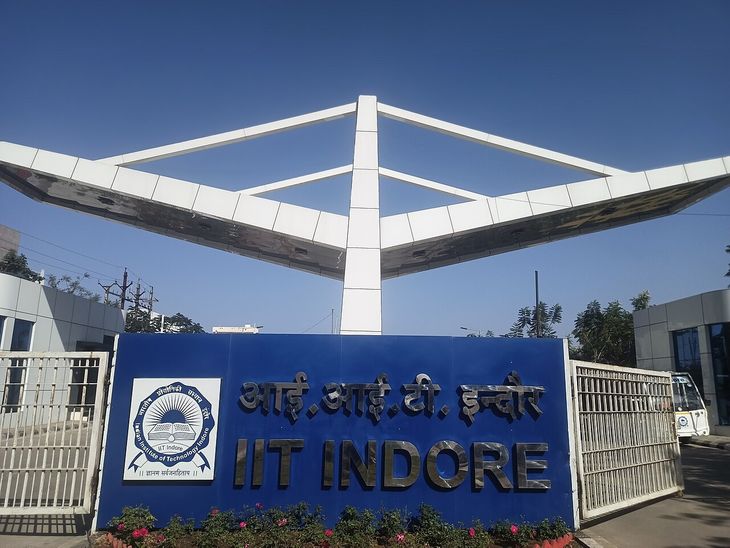
IIT Indore develops tool to monitor climate risks: Tracks drought; rainfall trends across India’s key biodi…
Researchers at the Indian Institute of Technology (IIT) Indore have developed a groundbreaking application designed to monitor extreme rainfall and drought patterns across India’s Key Biodiversity Areas (KBAs). This innovative tool aims to support conservation efforts and enhance climate resilience in the face of growing environmental challenges.
Overview of the Initiative
The initiative is led by Professor Manish Kumar Goyal, alongside a dedicated research team that includes Vijay Jain from the Department of Civil Engineering. The application identifies hotspots of extreme precipitation and drought, providing essential historical data to assist policymakers and conservationists in making informed decisions.
Importance of Key Biodiversity Areas
India is home to over 600 Key Biodiversity Areas, which are crucial for the survival of various species and ecosystems. These areas span diverse ecosystems and include habitats that support rare or unique species, as well as regions essential for breeding and ecological balance.
Key Biodiversity Areas can be found in a variety of environments, including:
- Forests
- Wetlands
- Deserts
- Mountains
- Marine environments
A site is designated as a KBA if it meets at least one of five criteria, which include:
- Threatened biodiversity
- Restricted species presence
- Ecological integrity
- Biological processes
- Irreplaceability
Impact of Climate Change on Ecosystems
Climate change is significantly altering habitats and affecting the survival and behavior of both plant and animal species. Many species are being forced to shift to new areas due to changes in temperature and rainfall patterns. The consequences of these changes are profound:
- Extreme Rainfall Events: These can lead to devastating floods, uprooting vegetation and reshaping landscapes. Fragile ecosystems, such as wetlands and forests, are particularly vulnerable.
- Drought Conditions: Prolonged droughts reduce water availability, adversely affecting vegetation and disrupting food chains. This poses a threat to both resident and migratory species.
Features of the Monitoring Tool
The application developed by IIT Indore tracks precipitation extremes and drought patterns at the district level across India. It utilizes historical data spanning from 1951 to 2022, enabling a comprehensive understanding of long-term climate trends. This data is crucial for supporting evidence-based conservation strategies.
Professor Manish Kumar Goyal emphasized the significance of this tool, stating:
“To address growing climate concerns, we have developed a district-level monitoring application that tracks historical precipitation extremes and drought patterns from 1951 to 2022. By helping understand changing climate trends and supporting evidence-based conservation actions, this tool marks an important step toward protecting India’s rich biodiversity from climate-related risks.”
Conclusion
The development of this monitoring tool by IIT Indore represents a significant advancement in the fight against climate change and its impact on biodiversity. By providing critical data and insights, the application will aid conservationists and policymakers in their efforts to protect India’s unique ecosystems and the species that inhabit them.
Note: The tool’s effectiveness will depend on continuous updates and collaboration with local communities and conservation organizations to ensure that it meets the evolving challenges posed by climate change.