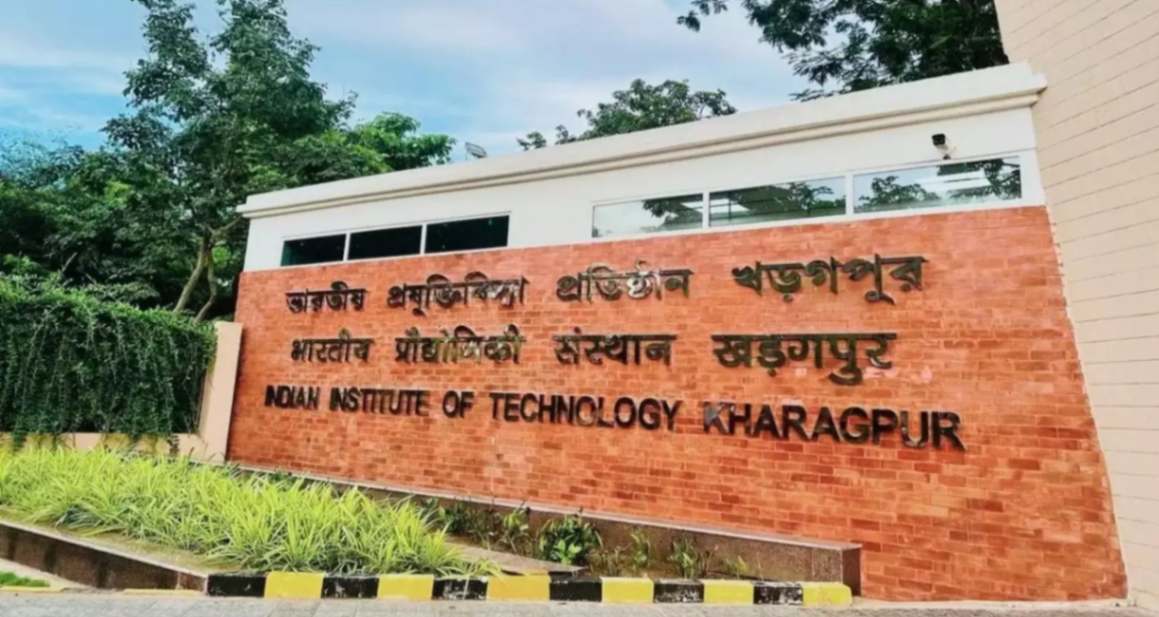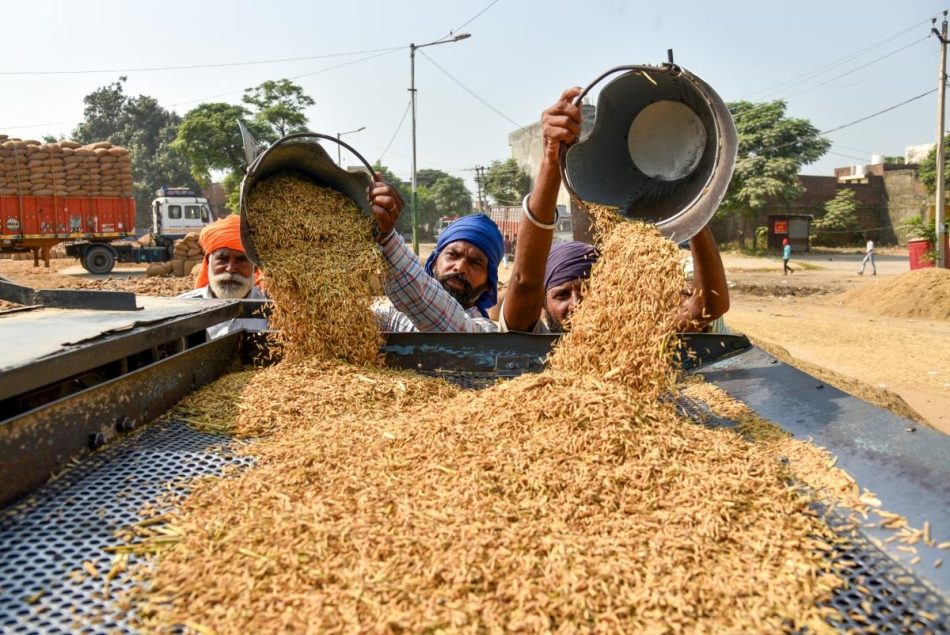
IIT Kharagpur study flags storage risks; Centre halts fortified rice under Pradhan Mantri Garib Kalyan Anna Yojana
The Indian government has decided to temporarily halt the fortification of rice under the Pradhan Mantri Garib Kalyan Anna Yojana (PMGKAY) following a study conducted by IIT Kharagpur that highlighted significant storage risks associated with fortified rice. This decision aims to ensure that a more effective nutrient delivery mechanism is established before resuming the program.
Background of the Pradhan Mantri Garib Kalyan Anna Yojana
The PMGKAY was launched to provide food security to the underprivileged sections of society, especially during challenging times such as the COVID-19 pandemic. The scheme aims to supply free food grains to the poor, ensuring that no one goes hungry. Under this initiative, the government allocates substantial quantities of rice and wheat to beneficiaries through the Public Distribution System (PDS).
Study Findings from IIT Kharagpur
The Ministry of Consumer Affairs, Food and Public Distribution commissioned IIT Kharagpur to conduct a study on the shelf life of Fortified Rice Kernels (FRK) and Fortified Rice (FR). The study focused on actual storage conditions across various agro-climatic zones in India. The findings revealed that several factors significantly impact the stability and shelf life of fortified rice, including:
- Moisture content
- Storage conditions
- Temperature
- Relative humidity
- Packaging material
The report indicated that these factors could lead to a reduction in micronutrients and a shortening of the effective shelf life of fortified rice during prolonged storage and routine handling. As a result, the nutritional benefits intended for beneficiaries may not be fully realized.
Government’s Response to the Study
In light of the study’s findings, the government has decided to temporarily discontinue the fortification process under PMGKAY and related welfare schemes. This decision does not entail any reduction in food-grain entitlements for beneficiaries and will not affect the operations of the PDS, Integrated Child Development Services (ICDS), or the Mid-Day Meal Scheme.
The government emphasized that it is crucial to identify a more effective mechanism for delivering nutrients to beneficiaries before resuming the rice fortification process. The temporary halt will allow for the development of a robust solution to ensure that fortified rice meets the nutritional needs of the population.
Storage Challenges and Their Implications
The study highlighted that rice often remains in storage for extended periods, typically two to three years, due to procurement volumes and annual offtake. The annual allocation under PMGKAY and other welfare schemes is approximately 372 Lakh Metric Tons (LMT), while the total availability in the central pool is projected to be around 674 LMT, including receipts from the Kharif Marketing Season (KMS) 2025-26.
Given the long storage periods, the government has provided states and Union Territories (UTs) with the flexibility to supply either fortified or non-fortified rice as a transitional measure. This decision takes into account operational and logistical considerations, ensuring that beneficiaries continue to receive food grains without interruption.
Future Directions
The government is now focused on developing a more effective nutrient delivery mechanism that can withstand the challenges posed by storage conditions. This includes exploring innovative packaging solutions, improving storage facilities, and ensuring that the fortification process is sustainable and beneficial for the intended population.
As the government works on these improvements, it remains committed to maintaining food security and ensuring that the nutritional needs of the population are met. Stakeholders, including researchers, policymakers, and nutrition experts, are encouraged to collaborate in identifying effective solutions for rice fortification and storage.
Conclusion
The decision to halt the fortification of rice under the PMGKAY highlights the importance of ensuring that food security initiatives are effective and sustainable. The IIT Kharagpur study serves as a critical reminder of the challenges associated with food storage and the need for continuous improvement in food delivery mechanisms. As the government seeks to enhance the nutritional outcomes of its welfare schemes, it is essential to prioritize the health and well-being of the population.
Note: The information presented in this article is based on the latest available data and official statements as of February 2026.