IIT-M to develop tech to reduce noise pollution in Chennai
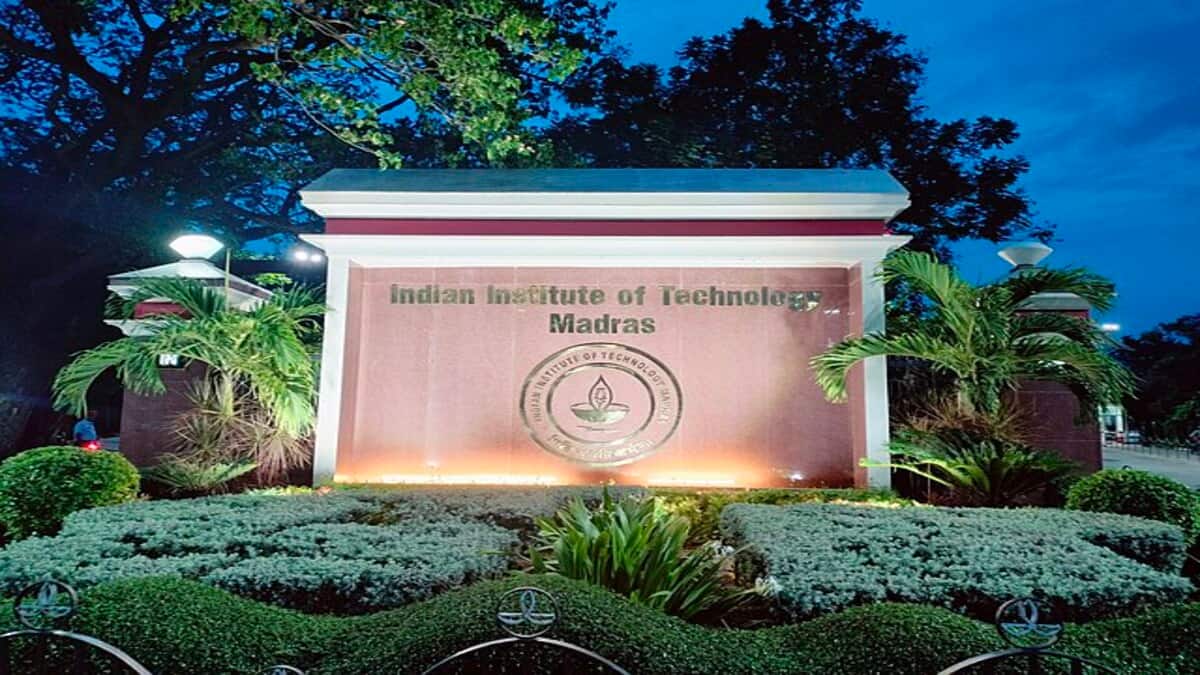
Chennai, India – The Indian Institute of Technology Madras (IIT-M) is spearheading an innovative project aimed at tackling the pervasive issue of noise pollution in urban areas, particularly in Chennai. This initiative focuses on developing engineering-based technologies that target sound propagation, with the goal of significantly reducing urban sound levels at major junctions throughout the city.
Understanding the Noise Pollution Challenge
Noise pollution has become a growing concern in urban environments, affecting the quality of life for residents. In Chennai, road traffic is identified as the dominant source of noise, contributing to elevated sound levels that often exceed the limits prescribed by the Central Pollution Control Board (CPCB). The CPCB sets permissible noise levels at 65 decibels during the day in commercial areas and 55 decibels in residential zones.
Recent studies conducted by IIT-M have revealed alarming findings regarding noise levels in Chennai. Areas such as Valasaravakkam have been identified as some of the worst-affected zones, frequently exceeding 70 decibels due to congestion, heavy traffic, and ongoing construction activities. Conversely, regions like Adyar benefit from green cover and institutional land use, resulting in comparatively lower noise levels.
The IIT-M Initiative
Professor S. M. Shiva Nagendra from the Department of Civil Engineering at IIT-M is leading the initiative to develop a noise mitigation system. The proposed technology is centered around the use of acoustic resonators and barrier mechanisms designed to absorb and deflect sound waves in high-exposure environments. The objective is to achieve a reduction in noise pollution by 30 to 40 decibels.
Professor Nagendra emphasized the potential impact of this reduction, stating, “If we achieve even a 30-40 decibel reduction, it will transform high-noise zones into significantly calmer environments.” This transformation could lead to improved health and well-being for residents living in these areas.
Components of the Noise Mitigation System
The noise mitigation system being developed by IIT-M employs a combination of locally available and engineered materials. Key components include:
- Porous Media: These materials are designed to absorb sound waves, reducing their intensity.
- PVC-based Resonators: These structures are engineered to resonate at specific frequencies, effectively cancelling out certain sound waves.
- Vegetative Buffers: Natural elements such as plants and trees can act as barriers, further attenuating noise levels.
The team plans to implement this system at high-noise urban hotspots, such as the Cancer Institute junction in Chennai, which has been designated as a sensitive zone. Before full-scale implementation, the performance of the system will be validated to ensure its effectiveness.
Research and Findings
The development of this noise mitigation technology builds upon IIT-M’s recent citywide noise mapping study, which was released at the Tamil Nadu Climate Summit 4.0. This comprehensive study provided a detailed assessment of Chennai’s acoustic environment, utilizing real-time monitoring through a network of low-cost sensors placed across 60 locations in the city.
The findings of the study highlighted the urgent need for interventions to address noise pollution. It was noted that noise levels in certain hotspots, particularly near hospitals and urban health centers, frequently exceeded acceptable limits. The research underscored the importance of both natural and engineered solutions in mitigating noise pollution.
The Role of Natural Elements
Professor Nagendra emphasized the dual role that both natural elements and engineered structures can play in noise reduction. “If designed well, they can significantly attenuate noise,” he stated. The integration of vegetation into urban planning not only contributes to aesthetic appeal but also serves a practical purpose in creating quieter environments.
Future Implications
The successful implementation of this noise mitigation technology could have far-reaching implications for urban planning and public health in Chennai. By reducing noise levels in high-exposure areas, the initiative aims to enhance the overall quality of life for residents, fostering healthier and more tranquil urban spaces.
Moreover, the project aligns with broader efforts to address environmental challenges in urban settings. As cities continue to grow and develop, innovative solutions like those being pursued by IIT-M will be essential in creating sustainable and livable urban environments.
Conclusion
The initiative by IIT-M to develop technology aimed at reducing noise pollution in Chennai represents a significant step towards addressing an often-overlooked urban challenge. By leveraging engineering principles and local materials, the project seeks to create a quieter and healthier urban environment for the city’s residents.
Note: The information presented in this article is based on the latest developments as of April 2026. For ongoing updates, please refer to local news sources and official announcements from IIT-M.