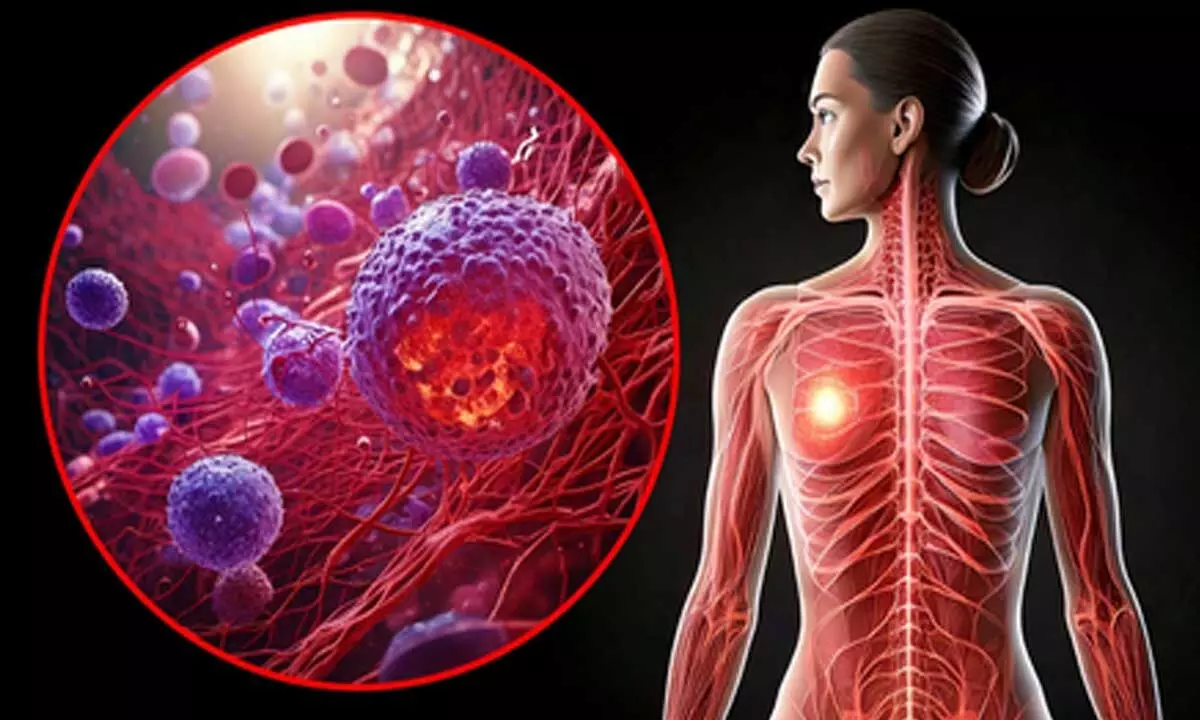
IIT Madras Develops Nanotech Platform for Safer Breast Cancer Treatment
Researchers at the Indian Institute of Technology (IIT) Madras have made a significant advancement in breast cancer treatment through the development of a cutting-edge nanoinjection drug delivery platform. This innovative technology aims to enhance the safety and effectiveness of breast cancer therapies, addressing a critical need in oncology.
The Challenge of Breast Cancer Treatment
Breast cancer is one of the leading causes of mortality among women globally. Conventional treatment methods, including chemotherapy and radiation, often result in collateral damage to healthy tissues due to systemic drug exposure. This not only diminishes the quality of life for patients but also complicates the treatment process.
Introducing the Nanoinjection System
The newly developed platform by IIT Madras seeks to overcome these challenges by delivering anticancer drugs directly into cancer cells. This targeted approach significantly reduces the adverse effects on surrounding healthy cells, thereby improving patient outcomes.
How the Nanoinjection System Works
The research team has ingeniously combined thermally stable nanoarchaeosomes (NAs) with silicon nanotubes (SiNTs) etched onto a silicon wafer. The process involves loading the chemotherapy drug doxorubicin into these nanoarchaeosomes, which are then injected directly into the cancer cells through the vertically aligned silicon nanotubes.
This dual delivery mechanism creates a precise and sustained drug release, allowing the chemotherapy to act exactly where it is needed while minimizing systemic side effects.
Collaborative Research Efforts
This groundbreaking research was conducted in collaboration with international partners, including Monash University and Deakin University. The findings have been published in the reputable journal Advanced Materials Interfaces, showcasing the potential of this innovative approach in cancer treatment.
Strong Results from Early Experiments
The initial experiments were conducted using in vitro (cell culture) and ex ovo (chick embryo) models. The results demonstrated that the Nanoarchaeosome–Doxorubicin–Silicon Nanotube system (NAD-SiNTs) exhibited strong cytotoxic effects against MCF-7 breast cancer cells while largely sparing healthy fibroblast cells.
Researchers observed several promising outcomes:
- Induction of cell-cycle arrest and necrosis in cancer cells.
- Significant reduction in angiogenesis, which is the formation of new blood vessels that tumors require for growth, by suppressing key pro-angiogenic factors.
- An inhibitory concentration (IC50) that was 23 times lower than that of free doxorubicin, indicating much higher potency at substantially lower doses.
Implications for Affordable Cancer Care
Dr. Swathi Sudhakar, an Assistant Professor at IIT Madras, emphasized the transformative potential of this technology, particularly for low- and middle-income countries like India. By enabling effective treatment with smaller drug doses, the platform could significantly reduce treatment costs and enhance the quality of life for patients.
Unlike other nanoinjection systems made from carbon or titanium nanotubes, the silicon nanotube design is inherently biocompatible and non-toxic. This characteristic makes it more suitable for large-scale and clinical applications, paving the way for broader adoption in cancer treatment.
Future Research Directions
The next phase of research will focus on in vivo studies, long-term toxicity assessments, and regulatory evaluations. These steps are crucial for preparing the technology for preclinical and clinical trials, ultimately aiming to bring this innovative treatment to patients in need.
Conclusion
The development of the nanoinjection drug delivery platform by IIT Madras marks a significant milestone in the fight against breast cancer. By prioritizing targeted drug delivery, this technology holds the promise of improving treatment outcomes while minimizing side effects, particularly for vulnerable populations. As research progresses, there is hope that this innovative approach will lead to more effective and affordable cancer care solutions worldwide.
Note: The information presented in this article is based on the latest research findings and is intended for informational purposes only. Always consult healthcare professionals for medical advice and treatment options.