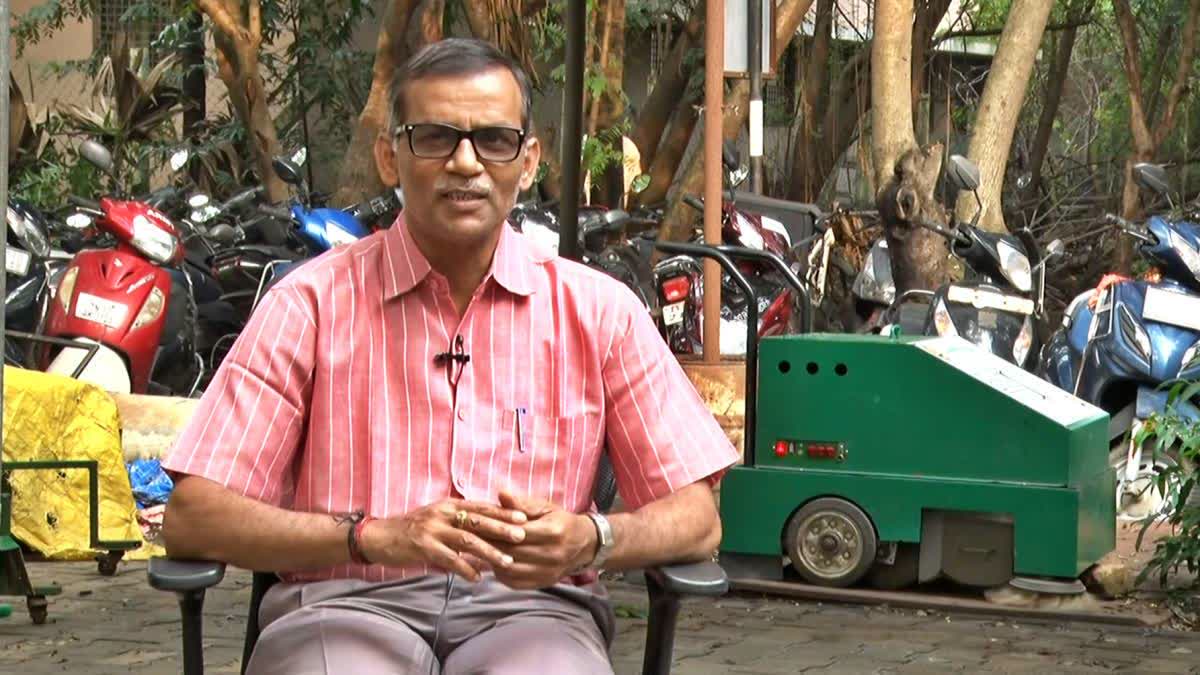
IIT Madras Invents Robotic Machine To Clean Roads, Collect Dust From Air
Published: December 7, 2025
Chennai: The Indian Institute of Technology (IIT) Madras has made a significant advancement in urban cleanliness and air quality management with the invention of a robotic machine designed to clean roads and collect dust from the air. This innovative machine is expected to be operational by next year and aims to address the growing concerns related to air pollution caused by dust and debris on city streets.
The Need for a New Solution
With the rapid increase in population and the number of vehicles on the roads, air quality in urban areas is deteriorating. Traditional methods of road cleaning often involve large machines that, while effective, can inadvertently contribute to air pollution by stirring up soil particles. These particles can then become airborne, exacerbating respiratory issues among the population.
Professor Shiva Nagendra, who leads the project in the Department of Civil Engineering at IIT Madras, emphasized the necessity of a more efficient and environmentally friendly solution. He stated, “Dust from the streets is the main cause of air pollution, as 50% of the pollution is spread through it. This leads to lung ailments, including asthma and cough.”
Features of the Robotic Machine
The newly developed robotic machine is compact, battery-operated, and designed to clean not only large urban roads but also narrow alleys in suburban areas. This flexibility is crucial, as many existing road cleaning vehicles are too large to navigate smaller streets.
Key features of the robotic machine include:
- Unique Separator System: The machine is equipped with a specialized separator that distinguishes between fine and coarse dust. This allows for efficient storage in separate tanks, enabling the fine dust to be repurposed for creating products such as clay pots.
- Advanced Cleaning Capability: It can effectively clean dust particles ranging from 0.5 microns to 1 micron, addressing a significant portion of urban dust pollution.
- Adaptive Brush Technology: The machine features an adjustable brush that can adapt to varying road conditions, including bumps and grooves, ensuring thorough cleaning even on uneven surfaces.
- Energy Efficiency: A small battery-powered fan enhances the machine’s energy efficiency, making it environmentally friendly. The device can operate while charging, further increasing its usability.
Health and Environmental Benefits
By reducing the amount of dust that becomes airborne, this robotic machine has the potential to significantly improve public health. The reduction of dust pollution can lower the incidence of respiratory diseases linked to poor air quality, such as asthma and chronic bronchitis. Professor Nagendra highlighted that the machine not only aims to clean the streets but also contributes to a healthier environment.
“By reducing the amount of dust that is remixed in the air, we can also protect the environment,” he noted.
Commercialization and Future Prospects
The current price of the robotic machine is approximately Rs. 1 lakh. However, Professor Nagendra anticipates that costs will decrease with mass production. IIT Madras is collaborating with Envitran Smart Systems to commercialize this technology, and research is underway to develop a fully automatic version of the machine.
“Once that is complete, we will put it into operation from February 2026,” Nagendra stated, indicating a clear timeline for the machine’s deployment in urban settings.
Conclusion
The invention of this robotic machine by IIT Madras represents a significant step forward in addressing urban air pollution and enhancing public health. As cities continue to grow and face challenges related to cleanliness and air quality, innovative solutions like this robotic cleaner will be essential in creating sustainable urban environments.
Note: This article is based on information available as of December 2025 and may be subject to updates as the technology develops.