IIT Madras Launches India’s First Language and Cognition Lab to Decode Linguistic Diversity
The Indian Institute of Technology Madras (IIT Madras) has recently inaugurated the ‘Language and Cognition Laboratory’ (LC-Lab), marking a significant milestone in the study of India’s rich linguistic diversity. This pioneering lab, established within the Department of Humanities and Social Sciences, is the first of its kind in India to adopt a systematic approach to understanding the vast array of languages spoken across the country through experimental linguistics.
Inauguration Details
The LC-Lab was officially inaugurated on November 10, 2025, by Professor V Kamakoti, the Director of IIT Madras. The event was attended by various dignitaries, including Professor Rajesh Kumar, the Head of the Humanities and Social Sciences Department, and Dr. Anindita Sahoo, the Faculty Coordinator of the lab. The presence of these stakeholders underscores the importance of this initiative in advancing linguistic research and technology in India.
Objectives of the LC-Lab
The primary aim of the Language and Cognition Laboratory is to explore how humans perceive, process, and produce language. By employing advanced experimental methods, the lab seeks to contribute significantly to the development of human-centered and linguistically aware artificial intelligence (AI) systems. This initiative is crucial in ensuring that India’s diverse languages and cultures are adequately represented in emerging technologies.
Research Focus and Methodologies
The LC-Lab will focus on investigating how individuals process linguistic information, particularly in the context of Indian languages. To achieve this, the lab will utilize various research techniques, including:
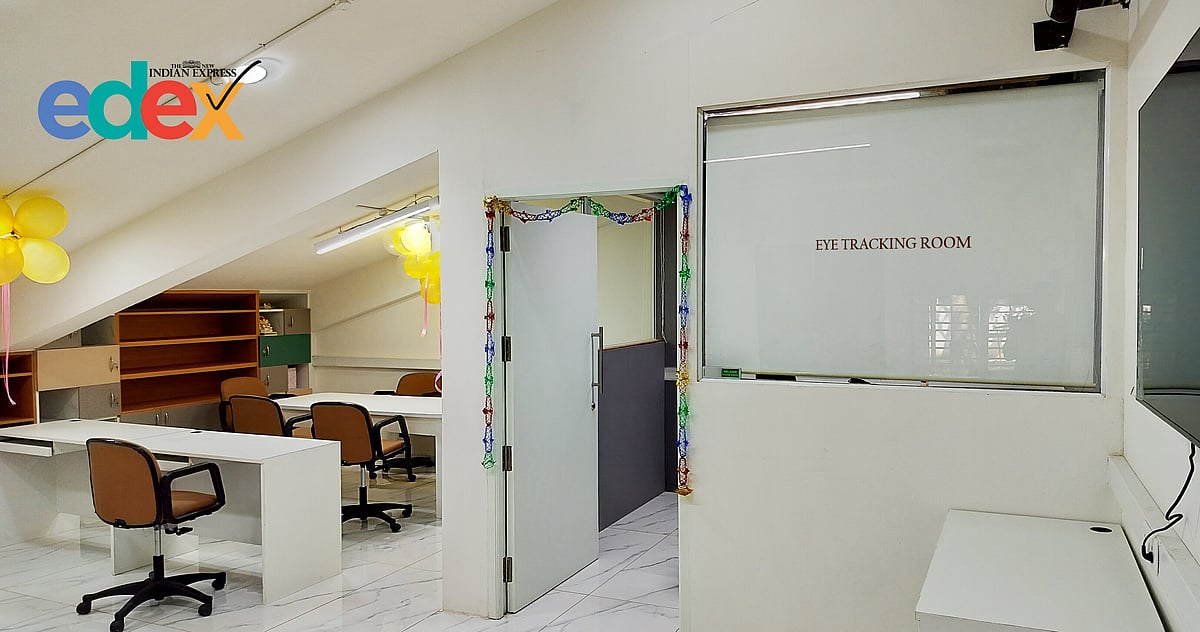
- Eye-tracking: This method will help researchers understand how people visually engage with language.
- Reaction-time studies: These studies will provide insights into the speed and efficiency of language processing.
Current research projects within the lab are examining grammatical voice and copula constructions in Indian languages. Additionally, there are plans to explore the challenges of dyslexia among Indian children, aiming to enhance educational outcomes and develop linguistically relevant teaching interventions.
Interdisciplinary Framework and Future Plans
The LC-Lab operates within an interdisciplinary framework that integrates insights from science, technology, and the humanities. This approach is designed to foster both academic research and technological innovation. In the short term, the lab will conduct experimental research using eye-tracking technology to validate established linguistic theories specific to Indian languages.
Looking ahead, the LC-Lab plans to incorporate advanced neurocognitive techniques such as:
- Electroencephalography (EEG): This technique will allow researchers to study brain activity during language processing.
- Transcranial Magnetic Stimulation (TMS): This method will enable the exploration of causal relationships between brain function and language cognition.
These advanced tools will support comprehensive research in language, cognition, and computational modeling, while also promoting collaboration with experts in psychology, neuroscience, and artificial intelligence.
Support and Infrastructure
The establishment of the LC-Lab has been made possible through the support of the IITM Pravartak Technologies Foundation and Aspire Infolab, Hyderabad. Their contributions have been instrumental in providing the necessary research infrastructure and resources for the lab’s initiatives.
Conclusion
The launch of the Language and Cognition Laboratory at IIT Madras represents a significant step forward in the study of linguistic diversity in India. By leveraging advanced experimental methods and fostering interdisciplinary collaboration, the lab aims to enhance our understanding of language processing and contribute to the development of AI systems that respect and represent India’s rich linguistic heritage.
Note: The information presented in this article is based on the latest available data as of November 2025.