
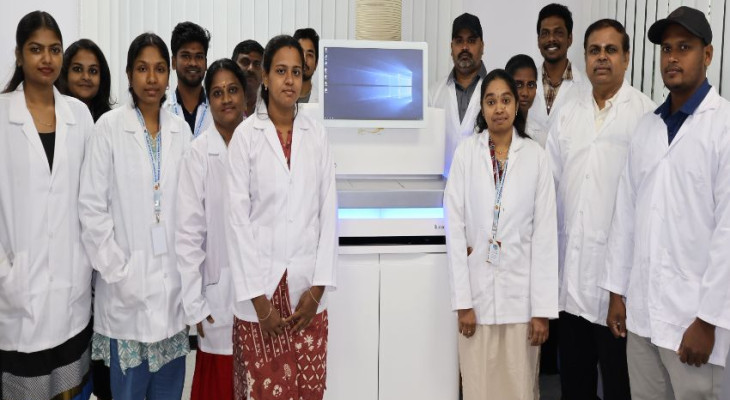
IIT Madras Study Finds 1 In 4 Indian Breast Cancer Patients Carry Inherited Genetic Risk
Breast cancer is a significant health concern globally, and its prevalence in India has been on the rise. Recent research conducted by the Indian Institute of Technology (IIT) Madras has unveiled crucial insights into the genetic factors contributing to breast cancer in Indian women. This groundbreaking study reveals that approximately one in four breast cancer patients in India carries an inherited genetic risk, highlighting the importance of genetic screening and personalized treatment approaches.
Understanding the Study
The research team at IIT Madras undertook a comprehensive analysis of breast cancer patients across various demographics. The study aimed to identify the prevalence of hereditary breast cancer syndromes, particularly focusing on mutations in the BRCA1 and BRCA2 genes, which are well-known for their association with increased breast cancer risk.
Methodology
The study involved a cohort of 500 women diagnosed with breast cancer. Researchers collected blood samples to analyze genetic mutations. Advanced genomic sequencing techniques were employed to identify specific mutations linked to breast cancer susceptibility.
Key Findings
The findings of the study are both alarming and enlightening:
- Approximately 25% of the participants were found to have mutations in the BRCA1 and BRCA2 genes.
- Other genetic mutations associated with breast cancer risk were also identified, expanding the understanding of hereditary factors in Indian populations.
- The study emphasized the need for tailored approaches to screening and treatment based on genetic predispositions.
The Importance of Genetic Testing
Genetic testing plays a crucial role in identifying individuals at high risk for breast cancer. The IIT Madras study underlines the necessity for broader access to genetic screening for women in India, particularly those with a family history of breast cancer. Early detection through genetic testing can lead to:
- Informed decision-making regarding preventive measures, such as prophylactic surgeries.
- Personalized treatment plans that consider the genetic makeup of the tumor.
- Increased awareness and education about breast cancer risks among women.
Broader Implications for Public Health
The implications of this study extend beyond individual patients. Public health policies must adapt to incorporate genetic screening as a standard practice in breast cancer management. This can lead to:
- Improved survival rates through early intervention and targeted therapies.
- Reduction in the overall healthcare costs associated with late-stage cancer treatment.
- Enhanced public awareness about the genetic factors influencing breast cancer.
Challenges in Implementation
Despite the promising findings of the IIT Madras study, several challenges remain in implementing widespread genetic testing in India:
- Awareness: There is a general lack of awareness about genetic risks associated with breast cancer among the population.
- Access: Genetic testing facilities may not be readily available in rural or underserved areas.
- Cultural Stigma: Cultural beliefs and stigma surrounding cancer may deter individuals from seeking genetic counseling and testing.
Future Directions
To address these challenges, several steps can be taken:
- Conducting awareness campaigns to educate the public about the importance of genetic testing.
- Expanding access to genetic counseling services, particularly in rural areas.
- Encouraging healthcare providers to incorporate genetic risk assessment in routine breast cancer screenings.
Conclusion
The IIT Madras study serves as a pivotal step towards understanding the genetic landscape of breast cancer in India. With one in four patients carrying an inherited genetic risk, it is imperative to prioritize genetic testing and personalized treatment strategies. By addressing the barriers to implementation and enhancing public awareness, India can move towards a future where breast cancer is detected early, treated effectively, and managed with a focus on individual genetic profiles.
Note: This article is based on research findings and aims to inform readers about the importance of genetic factors in breast cancer. It is advisable for individuals to consult healthcare professionals for personalized medical advice.


