IIT Roorkee Research Highlights Emerging Climate Signals In Himalayan Weather Systems
The Indian Institute of Technology (IIT) Roorkee has been at the forefront of climate research, particularly focusing on the complex weather systems of the Himalayan region. Recent studies conducted by the institute have unveiled significant emerging climate signals that could have profound implications for weather patterns, water resources, and ecological systems in the Himalayas.
The Importance of the Himalayan Region
The Himalayas, often referred to as the “Third Pole,” are crucial for the climate and hydrology of South Asia. They serve as a vital water source for millions of people living in the region. The glaciers and snowmelt from these mountains feed major rivers such as the Ganges, Indus, and Brahmaputra, which are lifelines for agriculture, drinking water, and energy generation.
Research Objectives
The primary objective of the research conducted by IIT Roorkee was to identify and analyze the emerging climate signals in the Himalayan weather systems. The researchers aimed to:
- Understand the impact of climate change on precipitation patterns.
- Examine the trends in temperature variations across different altitudes.
- Assess the implications of these changes on water resources and biodiversity.
Methodology
The research team employed a combination of field observations, satellite data analysis, and climate modeling to gather comprehensive data on weather patterns in the Himalayan region. Key methodologies included:
- Data Collection: The team collected historical weather data from various meteorological stations across the Himalayas.
- Remote Sensing: Satellite imagery was used to monitor changes in snow cover and glacial retreat.
- Climate Models: Advanced climate models were utilized to predict future weather patterns based on current trends.
Key Findings
The research yielded several critical findings that underscore the changing climate dynamics in the Himalayan region:
1. Altered Precipitation Patterns
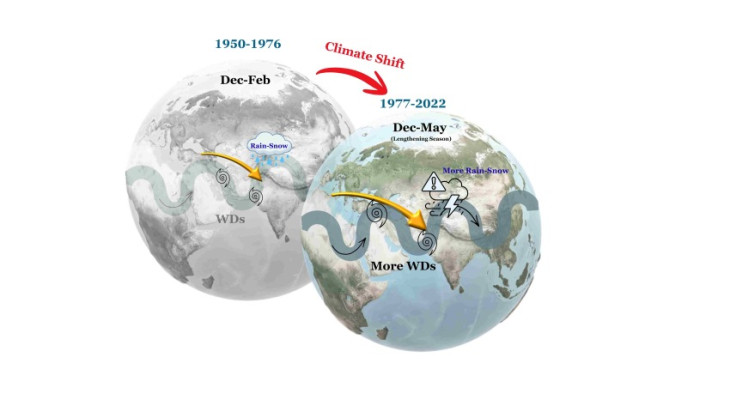
One of the most significant outcomes of the research was the identification of altered precipitation patterns. The study found that:
- Rainfall is becoming increasingly erratic, with some areas experiencing heavier downpours while others face prolonged dry spells.
- There is a noticeable shift in the timing of the monsoon season, which can disrupt agricultural cycles.
2. Temperature Increases
The analysis revealed a consistent increase in temperatures across the Himalayan region, particularly at higher altitudes. Key observations included:
- Average temperatures have risen by approximately 1.5 degrees Celsius over the past few decades.
- This increase is leading to accelerated glacial melt, which poses risks of glacial lake outburst floods (GLOFs).
3. Impact on Water Resources
The changes in precipitation and temperature are having direct consequences on water resources. The findings indicated:
- Reduced snowpack and altered runoff patterns are affecting river flows.
- Communities that rely on glacial meltwater for agriculture and drinking water are facing increasing uncertainty.
4. Biodiversity Threats
The research also highlighted the potential threats to biodiversity in the region. Key points included:
- Shifts in habitat ranges for various species due to changing climatic conditions.
- Increased vulnerability of endemic species that are adapted to specific climatic niches.
Implications for Policy and Planning
The findings from IIT Roorkee’s research carry significant implications for policy and planning in the Himalayan region. Some recommendations include:
- Integrated Water Resource Management: Policymakers should adopt integrated approaches to manage water resources, taking into account the changing climate.
- Disaster Preparedness: Enhanced monitoring and early warning systems for extreme weather events should be established to mitigate risks.
- Conservation Efforts: Protecting biodiversity hotspots is essential to preserve the ecological balance in the face of climate change.
Conclusion
The research conducted by IIT Roorkee sheds light on the critical and emerging climate signals in the Himalayan weather systems. As these changes continue to unfold, it is imperative for stakeholders, including governments, local communities, and researchers, to collaborate in addressing the challenges posed by climate change. By understanding and responding to these emerging trends, it is possible to safeguard the vital resources and ecosystems of the Himalayan region for future generations.
Note: The findings and recommendations presented in this article are based on research conducted by IIT Roorkee and should be considered within the broader context of ongoing climate studies in the region.