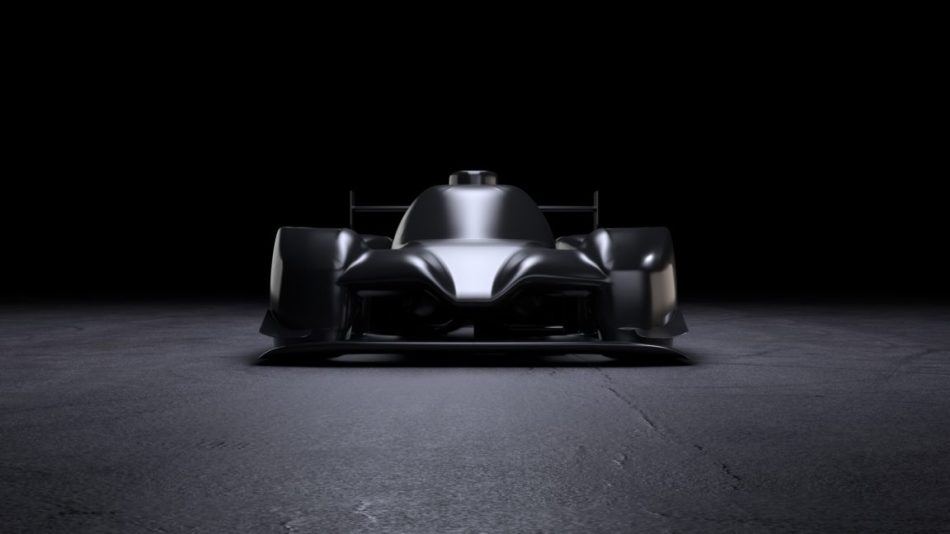
In motorsport, there's nowhere to hide as AI becomes new CFD tool
In recent years, the world of motorsport has witnessed a significant transformation with the advent of artificial intelligence (AI) and its integration into computational fluid dynamics (CFD). As racing teams strive for every possible advantage, the use of AI in CFD has become a game-changer, providing insights and optimizations that were previously unattainable. This article explores the impact of AI on CFD in motorsport, its benefits, challenges, and the future of racing technology.
Understanding CFD in Motorsport
Computational Fluid Dynamics (CFD) is a branch of fluid mechanics that uses numerical analysis and algorithms to solve and analyze problems involving fluid flows. In motorsport, CFD is crucial for understanding how air interacts with a vehicle’s body, optimizing aerodynamics, and enhancing performance on the track.
Traditionally, CFD simulations require extensive computational resources and time, making it challenging for teams to iterate designs quickly. However, the integration of AI into this process is revolutionizing how teams approach aerodynamic design.
The Role of AI in CFD
AI technologies, particularly machine learning and deep learning, are being employed to analyze vast amounts of data generated from CFD simulations. Here are some key roles AI plays in this context:
- Data Analysis: AI algorithms can sift through large datasets to identify patterns and correlations that human analysts might overlook.
- Optimization: Machine learning models can predict the performance of different aerodynamic configurations, allowing teams to optimize designs before physical testing.
- Speed: AI can significantly reduce the time required for simulations, enabling teams to conduct more iterations in a shorter timeframe.
- Real-time Adjustments: AI can facilitate real-time adjustments during races by analyzing data from various sensors and making immediate recommendations.
Benefits of AI-Enhanced CFD
The integration of AI into CFD processes offers numerous advantages for motorsport teams:
- Increased Efficiency: AI algorithms can automate repetitive tasks, allowing engineers to focus on more strategic aspects of design and performance.
- Enhanced Accuracy: By leveraging machine learning, teams can achieve higher accuracy in predicting aerodynamic performance, leading to better design decisions.
- Cost Reduction: With faster simulations and fewer physical prototypes needed, teams can save on costs associated with wind tunnel testing and material usage.
- Competitive Edge: Teams that adopt AI-enhanced CFD are likely to gain a significant advantage over competitors who rely on traditional methods.
Challenges of Implementing AI in CFD
Despite the numerous benefits, the implementation of AI in CFD is not without its challenges:
- Data Quality: The effectiveness of AI models is heavily dependent on the quality of the data used for training. Inaccurate or insufficient data can lead to poor predictions.
- Complexity: Developing and integrating AI models into existing CFD workflows can be complex and requires specialized knowledge and skills.
- Cost of Technology: While AI can reduce costs in the long run, the initial investment in technology and training can be significant.
- Resistance to Change: Some teams may be hesitant to adopt new technologies due to a reliance on traditional methods that have proven successful in the past.
Case Studies: AI in Action
Several motorsport teams have already begun to harness the power of AI in their CFD processes, yielding impressive results:
1. Formula 1 Teams
Formula 1 teams are at the forefront of technology adoption, utilizing AI to enhance their CFD simulations. For example, teams like Mercedes and Red Bull Racing have employed machine learning algorithms to optimize their aerodynamic packages, resulting in improved lap times and performance.
2. NASCAR
NASCAR teams have also started to integrate AI into their design processes. By analyzing airflow around their cars using AI-enhanced CFD, teams can make data-driven decisions that lead to better handling and speed on the track.
3. Endurance Racing
In endurance racing, where every second counts, teams are using AI to optimize their vehicle setups for different track conditions. This adaptability is crucial for maintaining competitive performance throughout long races.
The Future of AI in Motorsport
The future of AI in motorsport looks promising, with ongoing advancements in technology and increasing acceptance among teams. As AI continues to evolve, we can expect:
- Greater Integration: AI will become more integrated into all aspects of motorsport, from design to race strategy.
- Improved Collaboration: Teams may collaborate more closely with technology companies to develop cutting-edge AI solutions tailored for motorsport applications.
- Enhanced Fan Engagement: AI could also enhance the fan experience by providing real-time insights and data during races, making the sport more engaging.
Conclusion
The integration of AI into CFD represents a significant leap forward for motorsport teams striving for excellence. As the technology continues to develop, teams that embrace AI will likely find themselves at a competitive advantage, pushing the boundaries of what is possible on the racetrack. The future of racing is not just about speed; it’s about harnessing the power of data and technology to achieve unparalleled performance.
Note: The information presented in this article is based on the latest developments in AI and CFD as of October 2023. The landscape of motorsport technology is continuously evolving, and future advancements may further change the dynamics of racing.