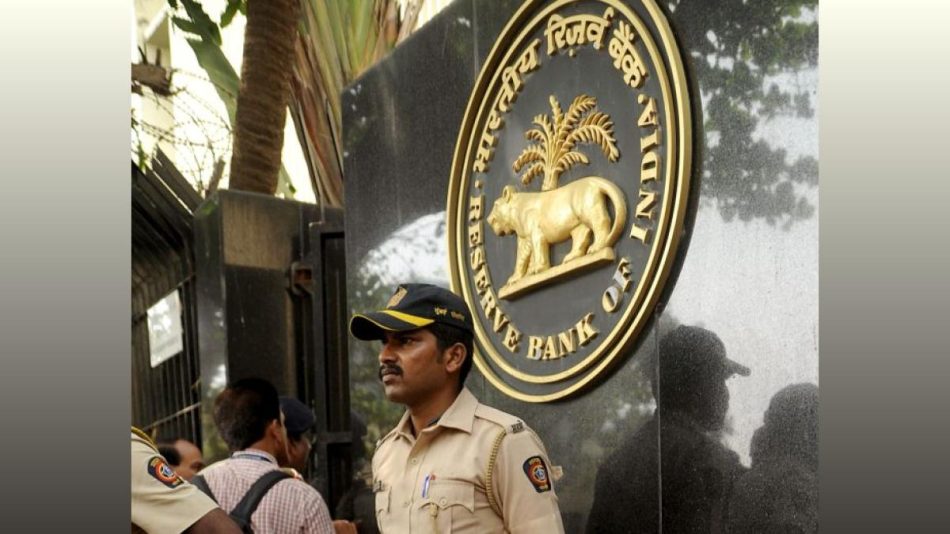
India Financial System 2047: Safety, Fairness, Reliability
The financial system of India is poised for significant transformation by the year 2047, marking a century of independence. As the nation progresses, the focus will be on creating a financial ecosystem that is safe, fair, and reliable. This article explores the anticipated changes and improvements in the Indian financial system over the next two decades.
Current State of the Financial System
India’s financial system is currently a complex network comprising various institutions, markets, and instruments. It plays a crucial role in the economic development of the country. Key components of the financial system include:
- Banking Sector: Comprising public sector banks, private banks, and foreign banks, the banking sector is the backbone of the financial system.
- Capital Markets: The stock and bond markets facilitate capital raising for businesses and provide investment opportunities for individuals.
- Insurance Sector: This sector protects individuals and businesses against financial risks through various insurance products.
- Non-Banking Financial Companies (NBFCs): These entities provide financial services without holding a banking license, contributing to financial inclusion.
- Microfinance Institutions: They provide small loans to low-income individuals or groups, promoting entrepreneurship and self-sufficiency.
Vision for 2047
As India approaches its centenary of independence, the vision for the financial system is to enhance its efficiency, inclusiveness, and resilience. The following key areas will be prioritized:
1. Safety
Ensuring the safety of financial transactions and protecting consumer interests will be paramount. This will involve:
- Robust Regulatory Framework: Strengthening regulations to prevent fraud, money laundering, and other financial crimes.
- Cybersecurity Measures: Implementing advanced cybersecurity protocols to protect sensitive financial data from breaches.
- Consumer Education: Increasing awareness among consumers about financial products and services to enable informed decision-making.
2. Fairness
A fair financial system ensures equal access to financial services for all segments of society. Key initiatives will include:
- Financial Inclusion: Expanding access to banking and financial services in rural and underserved areas through technology and innovative solutions.
- Transparent Lending Practices: Promoting transparent and fair lending practices to prevent exploitation of borrowers.
- Equitable Distribution of Resources: Ensuring that financial resources are allocated fairly across different sectors and demographics.
3. Reliability
A reliable financial system is essential for fostering trust among consumers and investors. This will be achieved through:
- Technological Advancements: Leveraging technology such as blockchain and artificial intelligence to enhance transaction efficiency and reliability.
- Improved Infrastructure: Investing in modern financial infrastructure to support seamless transactions and services.
- Risk Management Strategies: Developing comprehensive risk management frameworks to mitigate potential financial crises.
Role of Technology
Technology will play a pivotal role in shaping the financial system of India by 2047. Key technological trends include:
1. Digital Banking
With the rise of digital banking, consumers will have access to banking services at their fingertips. Features such as:
- Mobile banking applications
- Contactless payments
- Instant loan approvals
will become commonplace, enhancing convenience and accessibility.
2. Fintech Innovations
Fintech companies will continue to disrupt traditional banking models by offering innovative solutions such as:
- Peer-to-peer lending platforms
- Robo-advisors for investment management
- Cryptocurrency trading and investment
3. Blockchain Technology
Blockchain technology will revolutionize how transactions are recorded and verified, providing:
- Increased transparency
- Reduced transaction costs
- Enhanced security against fraud
Challenges Ahead
While the vision for the Indian financial system in 2047 is promising, several challenges must be addressed:
- Regulatory Challenges: Adapting regulations to keep pace with rapid technological advancements and new financial products.
- Financial Literacy: Improving financial literacy among the population to ensure that individuals can effectively utilize financial services.
- Global Economic Factors: Navigating the impact of global economic changes, including trade policies and economic downturns.
Conclusion
The financial system of India is on the brink of a transformative journey leading up to 2047. By focusing on safety, fairness, and reliability, the nation can build a robust financial ecosystem that supports sustainable economic growth and empowers its citizens. Embracing technology, addressing challenges, and ensuring inclusivity will be crucial in realizing this vision.
Note: The insights presented in this article are based on current trends and projections for the future of the Indian financial system.